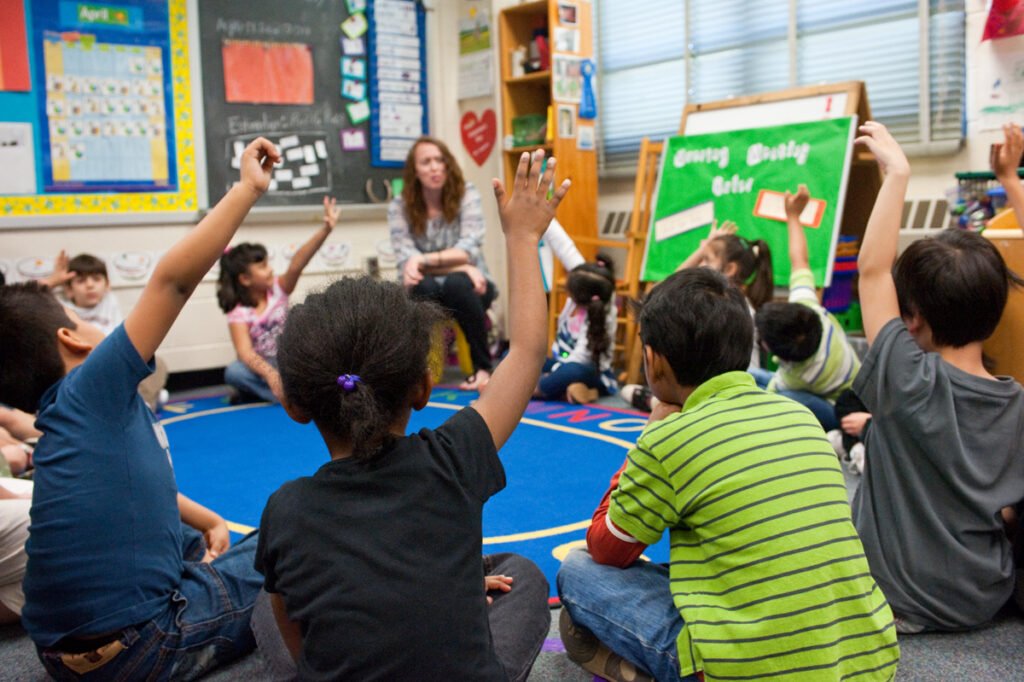
Classroom events are some of the moments students remember long after a school year ends. A normal lesson might teach a specific concept, but a well-planned classroom event can bring students together, encourage creativity, build confidence, and make learning feel genuinely exciting. Whether it is a small reading celebration, a science activity, a cultural day, a classroom party, or a student showcase, these events can add a completely different energy to the learning environment.
The best classroom events do not necessarily require a large budget, complicated decorations, or hours of preparation. In many cases, the most successful activities are simple, purposeful, and connected to what students are already learning. A teacher can turn an ordinary classroom into a place for collaboration, discovery, celebration, and meaningful interaction with a little planning.
What makes classroom events especially valuable is their flexibility. They can be designed for young children, teenagers, adult learners, special subject classes, or mixed-age groups. They can also be adapted for different cultures, school policies, available resources, and student interests. The key is to create an event that has a clear purpose while still giving students room to enjoy themselves.
What Are Classroom Events?
Classroom events are organized activities or special occasions that take place within a classroom or are closely connected to classroom learning. They can be educational, social, cultural, creative, seasonal, or celebratory. Unlike ordinary daily lessons, classroom events often introduce a different structure that encourages students to participate in a more active and memorable way.
An event might involve students presenting projects, competing in friendly academic challenges, celebrating a reading milestone, exploring another culture, creating artwork, conducting experiments, or participating in a themed activity. Some events may last only thirty minutes, while others can occupy an entire school day or become part of a larger school program.
The important thing is that classroom events do not have to be extravagant. A teacher can organize a meaningful event using materials already available in the classroom. What matters most is thoughtful planning, clear communication, and an understanding of what students will gain from the experience.
Why Classroom Events Matter in Education
Classroom events provide opportunities for learning that can be difficult to recreate through traditional instruction alone. Students may understand a concept from a textbook, but applying that knowledge during an activity can make the idea more concrete. An event can transform abstract information into something students can see, discuss, create, and experience.
These activities also encourage social development. Students learn how to cooperate, listen to one another, divide responsibilities, solve disagreements, and communicate ideas. Those skills are important far beyond school because collaboration is part of almost every workplace, community, and personal environment.
There is also an emotional benefit. Students often enjoy having something different to look forward to during the school year. A classroom event can create positive memories and strengthen relationships between teachers and students. When students feel that their classroom is a place where their ideas and achievements are recognized, they may develop a stronger sense of belonging.
Educational Classroom Events That Make Learning Fun
Educational events can make a subject feel completely different from a standard lesson. A science fair, for example, can allow students to demonstrate experiments instead of simply reading about scientific principles. A mathematics challenge can turn problem-solving into a collaborative competition.
Language teachers can organize storytelling days, poetry readings, spelling challenges, book discussions, or creative writing showcases. History classes might host historical role-play activities where students represent different figures or perspectives from a particular period.
The best educational classroom events are connected to learning objectives without feeling like another ordinary test. Students should understand that they are learning, but the experience should also give them an opportunity to explore, create, and make decisions. This balance can make academic content more memorable.
Classroom Events for Building Teamwork
Team-building events are useful because students do not automatically become good collaborators simply by sitting in the same room. They need opportunities to practice working with different personalities and approaches.
A classroom scavenger hunt can encourage teams to solve clues, find information, and complete small challenges. A building competition can ask groups to create the tallest structure from simple materials. Even a timed puzzle activity can teach students how to divide tasks and communicate effectively.
Teachers should avoid making teamwork activities entirely dependent on winning. If only one team receives recognition, students who struggle with competition may disengage. It can be more productive to recognize different achievements, such as creativity, communication, persistence, organization, or problem-solving.
Cultural Classroom Events
Cultural events can help students learn about traditions, languages, food, music, clothing, art, history, and celebrations from around the world. They can be particularly valuable in diverse classrooms where students may have different family backgrounds.
A cultural classroom event could include student presentations, traditional music, artwork, storytelling, maps, or carefully planned demonstrations. Students might research a country or cultural tradition and share what they learned with classmates.
Teachers should approach cultural activities respectfully. The goal should be education rather than stereotypes. Encourage students to use reliable information, avoid reducing cultures to costumes or food, and recognize that every culture contains diverse experiences. When planned thoughtfully, cultural classroom events can encourage curiosity and mutual respect.
Reading and Literature Classroom Events
Reading events are an excellent way to turn books into social experiences. A classroom might host a favorite-book day, author study, poetry afternoon, storytelling session, or student book showcase.
Teachers can ask students to recommend books to classmates and explain why they enjoyed them. Another option is to create small discussion groups where students talk about characters, themes, conflicts, and memorable moments.
A reading event can also include creative activities. Students might design an alternative book cover, write a different ending, create a character profile, or perform a short scene. These activities help students move beyond simply finishing a book and encourage them to think critically about what they have read.
Science and Discovery Events
Science classroom events can turn curiosity into hands-on learning. Students are naturally interested in experiments, unusual materials, demonstrations, and questions about how the world works.
A classroom science day could include several stations. At one station, students might explore simple physical principles. Another could focus on plants, another on observation, and another on environmental science. The activities should always be age-appropriate and follow appropriate safety rules.
The teacher does not have to make every activity complicated. A simple demonstration followed by student predictions can produce excellent discussion. Asking students what they think will happen before an experiment encourages them to form hypotheses and explain their reasoning.
Art and Creativity Classroom Events
Creative classroom events give students a chance to express themselves in ways that traditional academic assignments may not allow. Art exhibitions, drawing challenges, craft sessions, poster competitions, and design showcases can all become memorable classroom experiences.
A student art exhibition can be particularly rewarding. Students can display their work around the classroom and write short descriptions explaining their ideas, materials, or inspiration. Classmates can walk around, observe the work, and leave positive feedback.
Creativity events should not focus entirely on artistic skill. A student who considers themselves “not good at art” may still produce an imaginative idea. Teachers can emphasize originality, effort, experimentation, and communication rather than judging everything according to technical perfection.
Classroom Events for Seasonal Celebrations
Seasonal events can give students something enjoyable to anticipate while creating opportunities for learning. Depending on the school and community, teachers might organize activities around the beginning of a new season, winter themes, spring projects, harvest topics, or other appropriate occasions.
A seasonal classroom event can include decorations, crafts, storytelling, music, games, or subject-related activities. For example, a winter-themed mathematics challenge can combine seasonal imagery with problem-solving, while a spring science activity could focus on plants and growth.
Teachers should always consider school policies and the diversity of students in the classroom. Not every seasonal event needs to be tied to a religious or cultural tradition. A neutral academic theme can often include everyone comfortably.
Classroom Events That Celebrate Student Achievement
Students benefit from seeing their effort recognized. Achievement events can celebrate academic progress, improvement, creativity, helpfulness, leadership, attendance, teamwork, or personal growth.
A classroom recognition day does not need expensive prizes. Certificates, handwritten notes, classroom displays, or verbal recognition can be meaningful. Teachers might create categories such as “creative thinker,” “helpful teammate,” “great communicator,” or “determined learner.”
It is important to make recognition inclusive. If the same high-performing students are always celebrated, other students may feel invisible. Recognizing different forms of achievement allows more students to experience the positive feeling of contributing something valuable to the classroom.
Classroom Events for Parents and Families
Inviting families into classroom activities can strengthen the connection between school and home. A student showcase, reading afternoon, project exhibition, or open classroom can give parents and caregivers a chance to see what students are learning.
Family events should be planned carefully because not every family has the same schedule or ability to attend. Teachers should avoid making attendance a requirement for student participation or success.
If families cannot attend physically, teachers can sometimes provide alternative ways to share student work. Depending on school policies, digital portfolios, recorded presentations, written displays, or take-home projects can help extend the experience beyond the classroom.
How to Plan Successful Classroom Events
Good classroom events usually begin with a simple question: What is the purpose? If the teacher cannot explain why the event is being organized, students may end up participating in an activity that feels disconnected from learning or classroom culture.
Once the purpose is clear, the teacher can decide on the format, time, materials, student roles, and expected outcome. A written plan can prevent small details from becoming problems later.
It is also useful to create a realistic schedule. Teachers sometimes underestimate how long transitions take. Moving students into groups, distributing supplies, explaining instructions, cleaning up, and returning to normal classroom routines can take more time than expected.
Choosing the Right Activities
Not every activity is appropriate for every class. Age, class size, student interests, available space, learning needs, and school rules should all influence the decision.
A quiet class might enjoy a creative writing event, while a highly energetic group may benefit from structured movement and teamwork. A large class may require station-based activities, while a small group could participate in a longer discussion or workshop.
Teachers should also think about accessibility. Can students with different physical, sensory, communication, or learning needs participate meaningfully? If an activity has barriers, modify it rather than excluding students.
Creating a Realistic Classroom Event Budget
A memorable classroom event does not have to be expensive. Teachers can often use paper, recycled materials, classroom stationery, books, existing technology, and student-created decorations.
If money is required, create a basic budget before purchasing anything. Separate essential expenses from optional decorations or extras. This helps prevent unnecessary spending.
Teachers should also follow school policies regarding fundraising, donations, food, prizes, and outside vendors. A simple event that follows school guidelines is far better than an impressive event that creates administrative or financial complications.
Decorating for Classroom Events
Decorations can change the atmosphere of a classroom, but they should support the event rather than dominate it. A few well-placed posters, student-made signs, themed displays, or colorful paper decorations can be enough.
Student involvement makes decorations more meaningful. Instead of buying everything, teachers can ask students to create banners, artwork, signs, or displays. This turns preparation into part of the learning experience.
Decorations should also leave enough space for movement and instruction. Avoid blocking emergency exits, covering important classroom information, or creating hazards. Safety should always take priority over appearance.
Food and Refreshments at Classroom Events
Food can be a fun part of some classroom events, but it also requires careful planning. Schools may have rules regarding food sharing, allergies, dietary restrictions, and outside food.
If food is included, teachers should communicate expectations clearly and follow school policies. Individually packaged items or simple options may be easier to manage than a large shared meal.
Food should never be the only reason students are excited about an event. The educational, creative, or social experience should remain the main focus.
Using Technology During Classroom Events
Technology can add another dimension to classroom events when it is used intentionally. Presentations, interactive quizzes, digital displays, videos, online polls, and student-created multimedia projects can all support an event.
However, technology should not become a source of stress. Always have a backup plan if the internet fails, a projector stops working, or a presentation does not open.
Teachers can also allow students to take responsibility for some technology-related tasks. Older students, for example, may help manage a presentation, operate a display, or prepare a digital showcase. This can develop technical confidence and responsibility.
Making Classroom Events Inclusive
Inclusion should be considered from the beginning rather than added as an afterthought. Every student should have a meaningful way to participate, even if they do not enjoy the same activities as their classmates.
Offer different roles whenever possible. One student might present, another might design, another might organize materials, and another might document the event. Different roles allow students with different strengths to contribute.
Avoid assuming that every student enjoys public speaking, competition, physical activity, or social interaction. Giving students choices can make classroom events more comfortable without reducing their educational value.
Student Leadership During Classroom Events
Students often become more invested in an event when they have genuine responsibility. Teachers can assign leadership roles such as activity coordinator, materials manager, presenter, timekeeper, photographer where permitted, or cleanup organizer.
Older students can help design an event from the beginning. They might vote on themes, suggest activities, create schedules, or divide responsibilities among teams.
Student leadership also teaches practical skills. Planning an event requires organization, communication, decision-making, flexibility, and accountability. Those are valuable skills that students can use well beyond the classroom.
Common Mistakes to Avoid
One common mistake is trying to do too much. Teachers may plan games, crafts, food, presentations, competitions, decorations, and several learning activities for one event. The result can be rushed and stressful.
Another problem is unclear instructions. Even an excellent activity can fail if students do not understand what they are supposed to do. Explain the task briefly, demonstrate it when necessary, and check understanding before beginning.
Ignoring cleanup is another frequent mistake. Every classroom event should have a realistic cleanup plan. Students can often help return materials, organize desks, collect recycling, and restore the classroom.
How to Make Classroom Events Memorable
The most memorable events usually contain something students actively participate in. Watching a teacher do everything can be entertaining, but creating, performing, solving, presenting, or collaborating gives students ownership.
Personalization can also make a difference. If students contribute ideas, choose certain activities, or see their own work displayed, the event becomes theirs rather than something imposed on them.
Finally, give the event a proper ending. A short reflection, class discussion, group photo where permitted, written feedback, or display of student work can help students process the experience and remember what they accomplished.
Measuring the Success of a Classroom Event
Success does not always mean that every student had an equally enthusiastic reaction. Different students respond to activities in different ways. Instead, teachers should consider whether the event achieved its original purpose.
If the goal was teamwork, did students cooperate more effectively? If the goal was learning, did students demonstrate understanding? If the goal was community building, did students interact positively?
Student feedback can also be valuable. A quick anonymous survey or informal discussion can reveal what students enjoyed, what confused them, and what they would change. Teachers can use that information to improve future classroom events.
A Simple Classroom Events Planning Checklist
Before the event, teachers should confirm the purpose, date, schedule, materials, student roles, room arrangement, accessibility needs, safety considerations, technology requirements, and school permissions.
During the event, keep instructions visible and maintain a flexible attitude. Even excellent planning cannot predict everything. A planned activity may finish early, a group may need extra help, or a technology problem may require an alternative.
After the event, allow enough time for cleanup and reflection. Save useful materials or planning notes so that the next event can be easier to organize. Over time, teachers can develop a personal collection of successful activities that can be adapted for different classes.
Creative Classroom Events Ideas for the School Year
A classroom calendar can include many different types of events throughout the year. A new-school-year welcome event can help students get comfortable. A reading celebration can encourage book discussion. A science discovery day can make experiments the center of learning.
Other possibilities include student talent showcases, classroom debates, invention challenges, history days, mathematics competitions, art exhibitions, career days, writing festivals, environmental awareness activities, and collaborative project fairs.
The key is variety. Students should experience events that challenge different skills rather than repeating the same type of celebration every time. Variety keeps the classroom calendar interesting and gives different students opportunities to shine.
Conclusion
Classroom events can transform an ordinary school day into an opportunity for learning, creativity, collaboration, and connection. They do not need to be expensive or complicated. A thoughtful activity built around a clear purpose can have a stronger impact than a large event filled with unnecessary extras.From science and reading activities to cultural celebrations, student showcases, teamwork challenges, and family events, there are countless ways to make classroom experiences more engaging. The strongest events give students an active role and allow them to use skills that are sometimes difficult to demonstrate through conventional assignments.
Ultimately, successful classroom events are about people rather than decorations or technology. When teachers understand their students, plan realistically, create inclusive opportunities, and leave room for student creativity, even a simple classroom event can become a meaningful memory.
Frequently Asked Questions About Classroom Events
What are classroom events?
Classroom events are special activities organized within a classroom to support learning, celebration, creativity, teamwork, or community building. They can include educational challenges, cultural activities, project showcases, reading events, science days, art activities, and student celebrations.
Why are classroom events important?
Classroom events give students opportunities to learn through participation and experience. They can strengthen teamwork, communication, creativity, confidence, and classroom relationships while making academic subjects more engaging.
How can teachers plan a classroom event on a small budget?
Teachers can use existing classroom materials, recycled supplies, student-created decorations, books, free educational resources, and simple games. A clear purpose and thoughtful planning are usually more important than expensive materials.
What are some good educational classroom events?
Science fairs, reading celebrations, mathematics challenges, history exhibitions, spelling competitions, writing showcases, art exhibitions, debates, invention challenges, and project presentations can all work well when they are matched to students’ ages and learning objectives.
How can students participate in organizing classroom events?
Students can help choose themes, create decorations, prepare presentations, organize materials, lead activities, manage groups, present projects, and help with cleanup. Giving students genuine responsibility can increase engagement and develop leadership skills.
How can teachers make classroom events inclusive?
Teachers can provide different participation roles, consider accessibility needs, avoid unnecessary competition, offer choices, and make sure activities do not assume that every student has the same interests, abilities, or family circumstances.
Should classroom events always be connected to the curriculum?
Not every event needs a strict academic objective, especially when its main purpose is community building or celebration. However, even social events can develop valuable skills such as communication, cooperation, creativity, responsibility, and organization.
How often should teachers organize classroom events?
There is no universal schedule. Some classes may benefit from a small activity every few weeks, while others may have larger events once each term. The right frequency depends on the age of students, school calendar, teacher workload, and educational purpose.
What makes a classroom event successful?
A successful classroom event has a clear purpose, realistic preparation, understandable instructions, meaningful student participation, appropriate activities, and a plan for cleanup and reflection. Most importantly, students should feel involved rather than simply being spectators.
YOU MAY HAVE MISSED