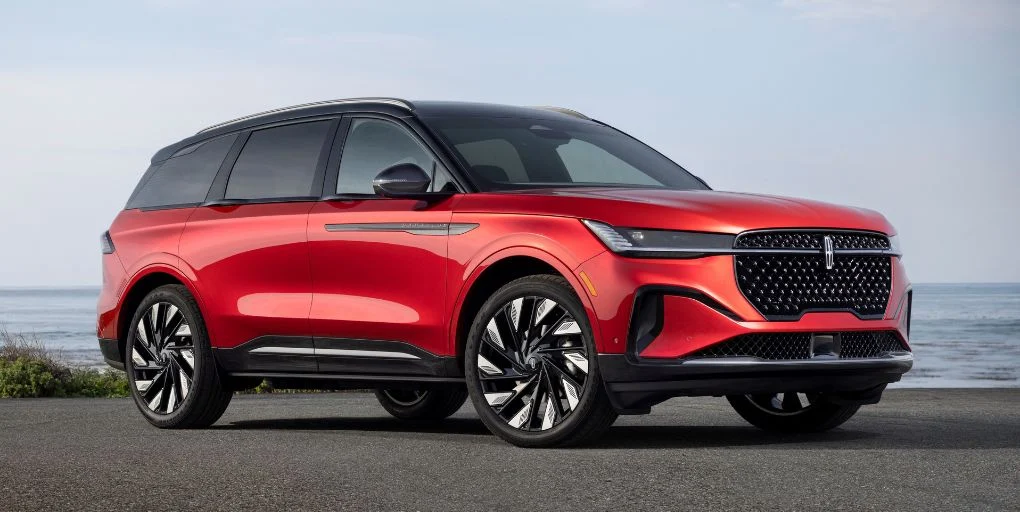
A Lincoln SUV is an excellent option for drivers who want a combination of luxury, comfort, modern technology, and practical everyday usability. Lincoln is an American automotive brand known for creating premium vehicles with elegant designs, quiet cabins, comfortable seating, and features that make long journeys more enjoyable. Its SUV lineup caters to different lifestyles, from small families looking for a versatile vehicle to larger households that need three rows of seating and generous cargo space.
One of the most appealing things about a Lincoln SUV is the attention given to the driving experience. Instead of focusing only on speed or aggressive styling, the brand emphasizes a smooth ride, a peaceful interior, and thoughtful convenience features. These qualities make Lincoln SUVs suitable for daily commuting, family road trips, business travel, and weekend adventures. Depending on the model, buyers can also enjoy advanced driver-assistance systems, sophisticated infotainment technology, and upscale interior materials.
Choosing the right Lincoln SUV requires understanding the differences between available models, engine options, interior configurations, technology packages, and ownership costs. Some vehicles prioritize maneuverability and efficiency, while others offer additional space, stronger performance, or a more exclusive luxury experience. This guide explores the main features of Lincoln SUVs and explains what prospective buyers should consider before making a purchase.
What Is a Lincoln SUV?
A Lincoln SUV is a sport utility vehicle manufactured under the Lincoln luxury automotive brand, which is part of Ford Motor Company. These vehicles combine the elevated seating position and versatility of an SUV with the comfort, styling, and premium features expected from a luxury automobile. They are designed for people who want more space and flexibility than a traditional sedan without giving up an upscale driving environment.
Lincoln SUVs are available in different sizes and configurations. Smaller models are generally easier to maneuver through crowded streets and tight parking spaces, while midsize and full-size models provide more passenger room and cargo capacity. Depending on the vehicle, buyers may find two-row seating, three-row seating, turbocharged engines, all-wheel-drive systems, and a variety of comfort and safety technologies.
The Lincoln name is also associated with a distinctive approach to luxury. Soft-touch surfaces, carefully designed lighting, comfortable seats, and an emphasis on cabin quietness contribute to the overall experience. Although specific features differ by model and trim, the general objective is to create a vehicle that feels refined during ordinary errands as well as longer journeys.
Popular Lincoln SUV Models
Lincoln offers several SUV models designed for different needs and preferences. The lineup has included the Corsair, Nautilus, Aviator, and Navigator, with each vehicle occupying a different position in terms of size, space, and luxury positioning. Availability, equipment, and specifications can vary according to the model year and market, so buyers should confirm the details of the particular vehicle they are considering.
The Corsair is the smaller option, making it attractive to drivers who want a premium SUV that is relatively easy to handle in urban environments. The Nautilus occupies the midsize category and emphasizes interior comfort, technology, and passenger space. The Aviator offers a larger body and three-row seating, making it suitable for households that need room for additional passengers.
At the upper end of the lineup, the Navigator is a full-size luxury SUV designed for buyers who prioritize space, presence, and premium amenities. Its larger dimensions make it particularly appealing for families, long-distance travelers, and drivers who regularly transport several passengers. Rather than assuming that the biggest model is automatically the best, buyers should compare their daily requirements with the strengths of each vehicle.
Lincoln Corsair: Compact Luxury and Everyday Convenience
The Lincoln Corsair is designed for people who want the benefits of a luxury SUV without the larger dimensions of a full-size vehicle. Its compact proportions can make it easier to navigate busy roads, enter parking garages, and fit into tighter spaces. For city residents and smaller households, these practical advantages can be just as important as the vehicle’s premium appearance.
Inside, the Corsair focuses on comfort, attractive materials, and a layout intended to feel sophisticated without becoming unnecessarily complicated. Depending on the model year and equipment package, available features may include power-adjustable seating, heated seats, a panoramic-style roof, premium audio, and a modern infotainment system. Buyers should check the exact equipment list because features that appear on higher trims may not be standard on every version.
The Corsair can be a sensible choice for professionals, couples, and small families who need flexible passenger and cargo space. It is also worth considering for drivers moving from a sedan into an SUV for the first time. Its smaller footprint offers a more approachable introduction to the luxury SUV category while still providing the elevated driving position many people prefer.
Lincoln Nautilus: A Refined Midsize SUV
The Lincoln Nautilus is positioned for drivers who want additional interior room and a more substantial road presence than a compact SUV can provide. It combines a comfortable passenger environment with a design that emphasizes clean lines, modern lighting, and a premium appearance. Its midsize proportions make it a useful middle ground between urban convenience and family-oriented practicality.
One of the Nautilus’s most distinctive attractions in recent model years has been its technology-focused cabin. Depending on the version, the interior can feature a large panoramic display arrangement, digital driver information, smartphone integration, and connected vehicle functions. The precise screen layout and available software features depend on the model year, so buyers should inspect the actual system and confirm which functions are included.
The Nautilus is particularly appealing to people who spend considerable time behind the wheel. Comfortable seating, thoughtful storage, and a quiet cabin can reduce the fatigue associated with daily commuting and long highway trips. Families may also appreciate its useful rear-seat space and cargo area, although those who regularly need three rows should look at the Aviator or Navigator instead.
Lincoln Aviator: Three-Row Comfort for Families
The Lincoln Aviator is a midsize luxury SUV designed to accommodate additional passengers while maintaining a refined interior. Its three-row configuration makes it a practical candidate for families with children, households that frequently travel with relatives, or drivers who occasionally need more seating than a two-row SUV can offer.
The Aviator’s cabin emphasizes comfort and upscale presentation. Depending on the trim and model year, available amenities may include leather seating surfaces, heated and ventilated seats, a premium sound system, sophisticated ambient lighting, and additional convenience features. Some versions have also offered plug-in hybrid technology in particular markets or model years, making it important to distinguish the exact powertrain rather than assuming every Aviator has the same setup.
Third-row usability deserves careful attention before purchasing. A three-row SUV can provide welcome flexibility, but passenger comfort depends on the size of the occupants and how the seats are arranged. Buyers should sit in all three rows, check how easily passengers can enter and exit, and test how much luggage fits behind the third row. These simple checks help determine whether the Aviator genuinely meets a family’s needs.
Lincoln Navigator: Full-Size Luxury and Maximum Space
The Lincoln Navigator is the brand’s flagship full-size SUV. It is designed for buyers who want a spacious cabin, a commanding driving position, substantial passenger capacity, and a more imposing exterior. Its size and premium positioning make it a popular consideration for large families and drivers who want a luxury vehicle capable of handling demanding travel routines.
Interior space is one of the Navigator’s major strengths. Depending on configuration, it can accommodate multiple passengers across three rows while providing practical storage solutions and a generous cargo area. Higher equipment levels may add upscale upholstery, enhanced seating functions, advanced audio, and convenience technologies that make longer journeys more comfortable. Extended-wheelbase versions, where offered, can provide additional space for passengers or luggage.
However, a full-size SUV also comes with practical compromises. The Navigator requires more room to park and maneuver than smaller vehicles, and its larger body can make narrow streets or crowded parking areas more challenging. Fuel costs, tires, insurance, and other ownership expenses may also be higher. Drivers should evaluate these factors alongside the comfort and space advantages before choosing the Navigator over a smaller Lincoln SUV.
Exterior Design and Styling
Lincoln SUVs generally use a design language that balances sophistication with a strong road presence. Their styling often incorporates a distinctive grille, carefully shaped body panels, modern lighting elements, and clean proportions. The result is a premium appearance that aims to look elegant rather than excessively aggressive.
Lighting plays an important role in the overall design. Depending on the model and trim, LED headlights, distinctive daytime running lights, and carefully integrated rear lighting can give the vehicle a recognizable appearance after dark. Wheel designs and exterior trim details also influence how sporty, understated, or luxurious a particular SUV looks.
Paint color and trim selection can change the personality of a Lincoln SUV considerably. Neutral colors often emphasize a formal luxury appearance, while darker finishes can create a more dramatic look. Buyers should also remember that large wheels and low-profile tires may affect ride comfort and replacement costs. The most attractive configuration is not always the most practical one for local roads or everyday use.
Interior Comfort and Cabin Quality
A major reason people consider a Lincoln SUV is the interior environment. Luxury vehicles are expected to provide more than transportation, and Lincoln places considerable emphasis on comfortable seating, refined materials, and a cabin layout that feels welcoming. Soft-touch surfaces, carefully arranged controls, and thoughtful storage can make everyday driving feel more pleasant.
Seat comfort is particularly important for anyone who spends hours in a vehicle. Depending on the model and equipment level, Lincoln SUVs may offer power adjustments, lumbar support, heating, ventilation, and other seating enhancements. The availability of these features differs by trim, so buyers should test the exact vehicle rather than relying only on a model’s general reputation.
Cabin quality also involves small details that become noticeable over time. Door storage, cup holders, charging ports, rear air vents, and the ease of adjusting climate settings all affect daily convenience. A vehicle can look impressive in photographs but still feel less practical in real life. Spending time inside the SUV before buying helps reveal whether its design genuinely suits the driver’s routine.
Engine Performance and Driving Experience
Lincoln SUV performance varies by model, year, and powertrain. Many versions have used turbocharged gasoline engines designed to provide useful acceleration without requiring an excessively large engine. Larger models generally need more power to move their additional weight, while smaller SUVs can often deliver adequate everyday performance with less substantial powertrains.
For most luxury SUV owners, performance is about more than maximum horsepower. Smooth acceleration, predictable transmission behavior, stable highway cruising, and confidence when merging into traffic are equally important. A well-matched engine and transmission should feel responsive during ordinary driving without making every journey unnecessarily noisy or demanding.
The driving experience can also vary with wheel size, suspension configuration, tire selection, and vehicle load. Larger wheels may improve appearance but can make road imperfections more noticeable. Before purchasing, drivers should test the SUV on the types of roads they use most often, including uneven surfaces, highways, and congested streets. A proper test drive offers a much clearer picture of comfort and performance than specifications alone.
Fuel Economy and Efficiency
Fuel economy is an important consideration when choosing any SUV, including a luxury model. Larger vehicles usually weigh more and may require more energy to accelerate, while smaller vehicles can have an advantage in everyday efficiency. Actual consumption depends on the engine, drivetrain, traffic conditions, driving style, tire setup, climate, and the amount of weight being carried.
Some Lincoln models and model years have offered hybrid or plug-in hybrid powertrains. These systems can change how a vehicle uses fuel, especially when journeys involve frequent stopping or when a plug-in hybrid can regularly be charged. However, not every model offers electrified power, and the benefits of a plug-in system depend heavily on charging access and driving habits.
Buyers should compare official fuel-economy figures for the specific model year and powertrain they are considering. It is also sensible to estimate annual mileage and calculate expected fuel expenses before making a decision. A slightly more efficient SUV may save a meaningful amount over several years, particularly for people who commute long distances or frequently travel with their families.
Technology and Infotainment Features
Modern Lincoln SUVs can offer a range of infotainment and connectivity features intended to make driving easier and more enjoyable. Depending on the model year, equipment may include a central touchscreen, digital instrument displays, smartphone connectivity, navigation, voice commands, wireless charging, and connected services. Available features and subscription requirements should be verified for the specific vehicle.
Smartphone integration is particularly useful for drivers who rely on navigation, calls, music, and messaging applications. A well-designed system makes these functions accessible without requiring the driver to search through complicated menus. Buyers should test the interface during a showroom visit and confirm whether their preferred phone connects reliably.
Audio quality can also influence the luxury experience. Some Lincoln configurations offer upgraded sound systems that provide clearer vocals, stronger bass, and a more immersive listening environment. Other convenience features, such as multiple charging points and rear-seat connectivity, can be valuable for families. The best technology package is the one that supports everyday needs without introducing unnecessary complexity.
Safety Features and Driver Assistance
Safety should be a central part of any vehicle purchase. Lincoln SUVs may offer a variety of driver-assistance technologies, depending on the model year and equipment package. These can include automatic emergency braking, blind-spot monitoring, lane-keeping assistance, adaptive cruise control, rear parking sensors, and cameras that help drivers maneuver in confined spaces.
These systems can support safer driving by helping the driver identify potential hazards or maintain a more consistent following distance. However, their capabilities vary, and no assistance feature can eliminate every risk. Drivers must continue to observe road conditions, check mirrors, remain attentive, and follow traffic laws.
Before buying a used Lincoln SUV, confirm which safety features are actually installed and whether they operate correctly. Inspect warning lights, test parking sensors and cameras, and review the owner’s manual for the vehicle’s equipment. If a safety system appears to malfunction, a qualified technician should investigate it rather than assuming the problem is minor.
Lincoln SUV Cargo Space and Practicality
Cargo space is one of the main advantages of choosing an SUV over a conventional sedan. Lincoln models provide different amounts of storage capacity, with larger vehicles generally offering more room for luggage, shopping, sports equipment, and family essentials. The actual usable space depends on the model, seat configuration, and whether the second or third row is folded.
A compact SUV such as the Corsair may be sufficient for groceries, everyday bags, and occasional weekend luggage. The Nautilus offers a larger two-row arrangement, while the Aviator and Navigator can provide additional passenger flexibility through their three-row layouts. When all seats are in use, however, the space remaining behind the rear row may be more limited than buyers expect.
A practical way to evaluate cargo capacity is to bring along items that are regularly transported. A stroller, suitcase, work equipment, or sports bag can reveal whether the loading opening and cargo floor are convenient enough. It is also worth checking whether the rear seats fold easily and whether the resulting load area is sufficiently flat for the intended use.
All-Wheel Drive and Driving Confidence
Depending on the model and configuration, Lincoln SUVs may be available with front-wheel drive, rear-wheel drive, or all-wheel drive. The precise arrangement varies across the lineup and model years. Understanding the drivetrain is important because it affects traction, handling characteristics, fuel consumption, and maintenance considerations.
All-wheel drive can distribute power to more than two wheels when additional traction is needed. This can be helpful on wet roads, loose surfaces, or certain challenging driving conditions. It does not, however, make a heavy SUV immune to skidding or reduce every braking distance. Appropriate tires, sensible speeds, and careful driving remain essential.
Buyers who live in areas with frequent rain, snow, or poorly maintained roads should evaluate their typical conditions before selecting a drivetrain. In regions where these challenges are uncommon, a two-wheel-drive configuration may be entirely adequate. The right choice depends on how and where the vehicle will actually be used rather than on the assumption that more equipment is always better.
Lincoln SUV Reliability and Long-Term Ownership
Reliability is an important concern for anyone investing in a luxury vehicle. A Lincoln SUV may provide years of comfortable service, but long-term dependability depends on the particular model, maintenance history, driving conditions, and how consistently required repairs are addressed. It is not accurate to assume that every vehicle from the same brand will have identical reliability.
Regular servicing helps protect the engine, transmission, braking system, cooling system, and other essential components. Owners should follow the maintenance schedule specified for their vehicle and use the correct fluids, filters, and replacement parts. Ignoring warning lights or delaying repairs can turn a relatively small issue into a more expensive problem.
For used Lincoln SUVs, a detailed inspection is especially valuable. Review available service records, check for outstanding recalls, inspect tires and brakes, and arrange an independent mechanical inspection before completing the purchase. A pre-purchase inspection can identify warning signs that are difficult to spot during a short test drive and may help buyers negotiate a fair price.
Maintenance and Repair Costs
Owning a luxury SUV involves more than paying the purchase price. Routine maintenance, replacement tires, brake components, insurance, fuel, registration, and unexpected repairs all contribute to the overall cost. Lincoln SUVs can have higher servicing expenses than some mainstream vehicles because of their equipment, size, specialized components, and premium positioning.
Maintenance needs differ according to the model and powertrain. Larger SUVs may require more expensive tires, while vehicles equipped with advanced electronic systems can need specialized diagnostic equipment when problems arise. Certain optional features can also add complexity, making it important to understand the condition and warranty coverage of a used vehicle before buying it.
A sensible ownership budget should include both routine expenses and an emergency reserve for unexpected repairs. Comparing quotes from reputable service centers can help buyers understand local costs. Before purchasing an older luxury SUV, research the availability and prices of commonly replaced components and make sure qualified technicians are accessible in the area.
Buying a New Lincoln SUV
Buying a new Lincoln SUV allows customers to select the model, trim, exterior color, interior finish, and available equipment that best match their preferences. New vehicles also generally include manufacturer warranty coverage, although the exact terms depend on the market, model year, and purchase arrangement. Buyers should obtain the warranty details in writing and understand which components are covered.
The first step is to identify the intended use of the vehicle. A driver who mostly commutes alone may not need the space or cost of a Navigator, while a large household that frequently travels with luggage may find a smaller SUV restrictive. Defining these needs before visiting a dealership helps narrow the choices and reduces the chance of paying for features that will rarely be used.
It is also useful to compare the total purchase cost rather than focusing only on a monthly payment. Financing terms, interest charges, insurance, taxes, dealer fees, and optional packages can significantly affect the final expense. Buyers should request a clear breakdown of the price and compare offers from more than one authorized dealer where practical.
Buying a Used Lincoln SUV
A used Lincoln SUV can offer an appealing route into luxury ownership because depreciation may make an older model more affordable than a comparable new vehicle. Depending on age and condition, buyers may find comfortable interiors, advanced features, and useful performance at a lower purchase price. However, the cheapest listing is not necessarily the best value.
The vehicle’s service history should be a major part of the decision. Consistent maintenance records provide useful evidence that the previous owner cared for the vehicle, although records alone cannot guarantee that it is trouble-free. Buyers should also check the vehicle identification number, title status, mileage consistency, accident history where available, and any outstanding recalls.
A thorough test drive should include cold starting when possible, ordinary city driving, highway speeds, braking, parking maneuvers, and checks of the climate-control system and electronics. Listen for unusual noises and pay attention to warning lights, transmission behavior, steering response, and suspension sounds. An independent inspection by a qualified mechanic is one of the best ways to reduce uncertainty before committing to a purchase.
Lincoln SUV Prices and Value for Money
The price of a Lincoln SUV depends on its model, model year, trim level, mileage, condition, optional equipment, and location. New flagship models generally occupy a higher price category than compact SUVs, while used vehicles can vary substantially according to age and maintenance history. For this reason, a single price figure cannot accurately describe the entire Lincoln SUV lineup.
Value for money should be measured against the features and capabilities that matter most to the buyer. Someone who prioritizes premium seating, cabin comfort, and an upscale design may consider a Lincoln a worthwhile purchase even if a mainstream SUV costs less. Another buyer may prefer a less expensive vehicle if lower fuel consumption and reduced maintenance costs are more important than luxury features.
When comparing prices, look beyond the initial payment and consider depreciation, financing, insurance, maintenance, and fuel. A well-maintained used vehicle with a reasonable price may provide better overall value than a newer model with expensive optional equipment. The best deal is the one that delivers the desired driving experience without placing unnecessary pressure on the household budget.
Lincoln SUV vs. Other Luxury SUV Brands
Lincoln competes with several established luxury SUV brands, including Cadillac, Lexus, BMW, Mercedes-Benz, and Audi. Each manufacturer takes a somewhat different approach to design, performance, technology, and comfort. As a result, the most suitable vehicle depends on individual priorities rather than a universal ranking.
Lincoln often appeals to buyers who value a relaxed cabin atmosphere, comfortable seating, and understated luxury. Some competing brands may place greater emphasis on sporty handling, performance-oriented driving, or a particular infotainment philosophy. These differences can be difficult to judge from specification sheets alone because suspension tuning, seat design, and cabin noise strongly influence how a vehicle feels in practice.
A fair comparison should include vehicles of similar size and price. Test-drive the leading candidates on comparable routes, assess the quality of their controls and materials, and compare warranty terms and service availability. It is also useful to research the exact model year because equipment and reliability can differ significantly between generations of the same vehicle.
Is a Lincoln SUV Good for Families?
Lincoln SUVs can be suitable for families because they offer elevated seating, useful cargo capacity, and a range of passenger configurations. Two-row models can work well for smaller households, while three-row vehicles provide more flexibility for families who regularly transport children, relatives, or additional passengers. The right model depends on the number of occupants and how much space is needed on a typical day.
Family-friendly features can include rear climate vents, accessible storage compartments, convenient charging ports, power-operated tailgates, and driver-assistance systems. However, not every feature is standard across the lineup. Parents should verify the number and placement of child-seat anchors, check that their child seats fit correctly, and confirm that rear doors and seat belts are easy to use.
Practical testing is especially important when children are involved. Bring the family along for a test drive, install or test the child seats if permitted, and check how easily passengers enter and exit. For three-row models, make sure the third row is genuinely comfortable for the people who will use it most often. A family SUV should make daily routines easier rather than simply offering an impressive list of features.
Lincoln SUV for Long Road Trips
A Lincoln SUV can be an attractive choice for long-distance travel because its comfort-focused design can make extended journeys more relaxing. Supportive seats, a quiet cabin, climate-control features, and convenient storage can all contribute to a better travel experience. Larger models may also provide additional space for passengers and luggage.
Highway driving places different demands on a vehicle than short urban trips. Stable cruising, predictable acceleration, comfortable seating positions, and easy access to navigation can be particularly valuable when traveling for several hours. Adaptive cruise control and other driver-assistance features may reduce some of the effort involved in maintaining speed and distance, where available and appropriately used.
Preparation still matters regardless of the vehicle. Before a long trip, inspect tire pressure and condition, check fluid levels, confirm that lights and brakes work correctly, and make sure the emergency equipment is suitable for the route. Drivers should also schedule rest breaks and avoid relying on driver-assistance systems as a substitute for attention. Comfort is valuable, but safe travel remains the priority.
Environmental Considerations and Electrification
Luxury SUVs can have a larger environmental footprint than smaller vehicles because of their size, weight, and energy requirements. Lincoln’s powertrain choices have varied by model and model year, with certain vehicles offering hybrid or plug-in hybrid technology. Buyers interested in reducing fuel consumption should research the exact vehicle rather than assuming that all versions share the same efficiency characteristics.
Hybrid systems combine an internal combustion engine with electric assistance, while plug-in hybrids can generally recharge a larger battery from an external power source. A plug-in hybrid may reduce gasoline use on shorter trips when the battery is charged regularly, but its advantages depend on driving patterns and charging access. Long journeys may rely more heavily on the gasoline engine once the usable electric range is depleted.
Environmental impact also involves how long a vehicle remains in service and how efficiently it is maintained. Keeping tires properly inflated, avoiding unnecessary cargo weight, and driving smoothly can help improve fuel economy. Buyers who want the lowest possible running costs should compare smaller SUVs and other vehicle categories alongside luxury models to understand the available trade-offs.
Common Mistakes to Avoid When Buying a Lincoln SUV
One common mistake is choosing a model based entirely on appearance. Exterior styling and interior photographs can be persuasive, but they do not reveal whether the vehicle has enough passenger room, suitable cargo capacity, or comfortable seating for daily use. Buyers should evaluate the actual dimensions and test the vehicle in realistic conditions before making a final decision.
Another mistake is overlooking ownership costs. A luxury SUV may be affordable to purchase but more expensive to maintain, insure, fuel, and repair. Before committing, calculate the likely monthly and annual expenses, including the cost of replacing tires and servicing specialized equipment. A realistic budget helps prevent an otherwise enjoyable purchase from becoming financially stressful.
Buyers should also avoid assuming that every advertised feature is included in every trim. Equipment packages, safety systems, infotainment functions, and powertrain options can vary substantially. Check the vehicle’s exact specifications, review the owner’s manual, and confirm the warranty and service history. Taking time to verify these details is far better than discovering important limitations after the purchase.
Who Should Consider a Lincoln SUV?
A Lincoln SUV may be a strong choice for drivers who value comfort, premium styling, and a relaxed driving experience. Professionals who spend significant time commuting may appreciate the quiet cabin and supportive seats, while families may benefit from the flexibility and cargo capacity offered by the larger models. Buyers who enjoy upscale interiors without necessarily seeking a sports-car-like driving character may also find the lineup appealing.
The different models serve different types of owners. The Corsair is worth considering for people who prefer a smaller luxury vehicle, while the Nautilus offers a larger two-row arrangement. The Aviator provides three-row flexibility in a midsize package, and the Navigator is designed for those who need full-size space and a more substantial vehicle.
A Lincoln SUV may be less suitable for someone whose highest priority is minimizing all ownership costs or driving through very narrow streets and limited parking spaces every day. These buyers should compare smaller vehicles and less expensive alternatives before deciding. Matching the vehicle to actual needs is the most reliable way to determine whether the luxury features justify the expense.
Tips for Getting the Best Lincoln SUV Ownership Experience
Start by choosing the model and trim that meet your practical requirements instead of automatically selecting the most expensive version. Prioritize features that will genuinely improve everyday use, such as comfortable seats, suitable passenger capacity, reliable smartphone connectivity, and the right safety equipment. This approach helps control the purchase price while preserving the benefits that matter most.
After purchasing the vehicle, follow the recommended maintenance schedule and keep records of servicing and repairs. Address unusual sounds, warning lights, and changes in driving behavior promptly. Regular inspections can help identify worn tires, brake problems, fluid leaks, and other issues before they become more serious or expensive.
Finally, take time to learn the vehicle’s technology. Read the owner’s manual, configure the driver profile and infotainment settings, and understand how the available assistance systems work. Keep software and connected services updated when applicable, and verify any subscription requirements. A little preparation can make a Lincoln SUV easier to operate and help owners enjoy its comfort and convenience features more fully.
Frequently Asked Questions About Lincoln SUVs
Which Lincoln SUV is the smallest?
The Lincoln Corsair is the compact SUV in the brand’s established lineup. Its smaller dimensions can make it a practical option for city driving, smaller households, and buyers who want luxury features without the size of a full-size SUV. Availability and current lineup details should be confirmed for the relevant market and model year.
Which Lincoln SUV is best for families?
The best choice depends on family size and passenger needs. The Corsair and Nautilus may suit households that need two rows, while the Aviator and Navigator offer three-row seating. Families should check child-seat compatibility, third-row comfort, cargo capacity, and ease of access before deciding.
Are Lincoln SUVs reliable?
Reliability varies by model, model year, maintenance history, and individual vehicle condition. Regular servicing and prompt repairs can support long-term dependability. Anyone purchasing a used Lincoln SUV should review its records, check for recalls, and arrange an independent inspection before completing the transaction.
Are Lincoln SUVs expensive to maintain?
Maintenance costs can be higher than those of some mainstream vehicles because luxury SUVs may use specialized components, larger tires, and more advanced electronic systems. Actual costs depend on the model, age, mileage, location, and service provider. Comparing local service estimates before purchasing can help create a realistic budget.
Do Lincoln SUVs offer all-wheel drive?
Some Lincoln SUV configurations offer all-wheel drive, but availability depends on the model, powertrain, trim, and model year. Buyers should verify the drivetrain of the exact vehicle they intend to purchase. All-wheel drive can improve traction in certain conditions, but it does not replace appropriate tires or careful driving.
Which Lincoln SUV is best for long journeys?
The Nautilus, Aviator, and Navigator may be attractive for long-distance travel because of their passenger comfort and available convenience features. The best option depends on the number of occupants, luggage requirements, and preferred vehicle size. A test drive on a highway is useful for evaluating seating comfort and cabin noise.
Is a used Lincoln SUV worth buying?
A used Lincoln SUV can provide access to luxury features at a lower purchase price than a comparable new model. Its value depends on the condition, service history, mileage, price, and expected repair expenses. A professional pre-purchase inspection and a review of the vehicle’s history can help reduce the risks associated with buying used.
How do I choose the right Lincoln SUV?
Begin by deciding how many passengers you regularly carry and how much cargo space you need. Then compare vehicle dimensions, powertrain choices, fuel economy, safety equipment, comfort features, warranty coverage, and ownership costs. Test-driving two or more suitable models is one of the best ways to identify the right fit.
Conclusion
The Lincoln SUV lineup offers several options for drivers who want a blend of luxury, comfort, technology, and everyday practicality. From the compact Corsair to the spacious Navigator, each model is intended to serve a different combination of passenger needs, driving habits, and lifestyle preferences. Understanding these differences makes it easier to narrow the options and choose a vehicle that fits daily life. Before buying, consider more than the exterior design or the number of available features. Passenger comfort, cargo space, fuel economy, safety equipment, maintenance costs, and long-term reliability all contribute to the ownership experience. A careful comparison of new and used vehicles can also reveal meaningful differences in value.
YOU MAY HAVE MASSED