Events are part of everyday life in ways we sometimes overlook. A small family gathering, a school celebration, a business conference, a wedding, a community festival, or a major public occasion can all be considered events. Although they may look completely different, successful events usually have one thing in common: they bring people together around a shared purpose or experience.
Planning an event can be exciting, but it can also become complicated quickly. There are venues to consider, guests to organize, schedules to create, budgets to manage, food to arrange, entertainment to coordinate, and countless small details that can influence the overall experience. The good news is that careful planning does not have to make an event feel stressful or overly complicated.
Whether you are organizing a personal celebration, a professional gathering, or a community activity, understanding the fundamentals can make the entire process smoother. This guide explores what makes events successful, how to plan them effectively, how to avoid common mistakes, and how to create experiences that people genuinely remember.
What Are Events and Why Do They Matter?
Events are organized occasions designed to bring people together for a particular purpose. That purpose might be celebration, education, networking, entertainment, fundraising, cultural expression, business development, or simply spending time with friends and family. The size and format can vary dramatically, but the basic idea remains the same: people gather because something meaningful is happening.
The importance of events goes beyond the activity taking place on the day. A well-organized gathering can strengthen relationships, create opportunities for communication, introduce people to new ideas, and build a sense of community. In professional settings, events can help businesses connect with customers, employees, partners, and industry professionals. In personal settings, they can create memories that people continue discussing for years.
Events also give people a reason to step away from their normal routines. Modern life can be busy and heavily dependent on digital communication, so meeting people in person can feel particularly valuable. A thoughtfully planned event creates an environment where people can interact naturally, celebrate milestones, learn together, or simply enjoy themselves.
Different Types of Events
There are countless types of events, and each category comes with its own planning requirements. Social events include weddings, birthdays, anniversaries, reunions, graduation celebrations, dinners, and family gatherings. These occasions often focus heavily on atmosphere, hospitality, entertainment, food, and personal touches that reflect the people being celebrated.
Business events have a different purpose. Conferences, seminars, workshops, product launches, networking sessions, trade shows, corporate meetings, and employee events often require more structured schedules and professional communication. Attendees may expect presentations, networking opportunities, comfortable facilities, reliable technology, and clear information about where they need to be and when.
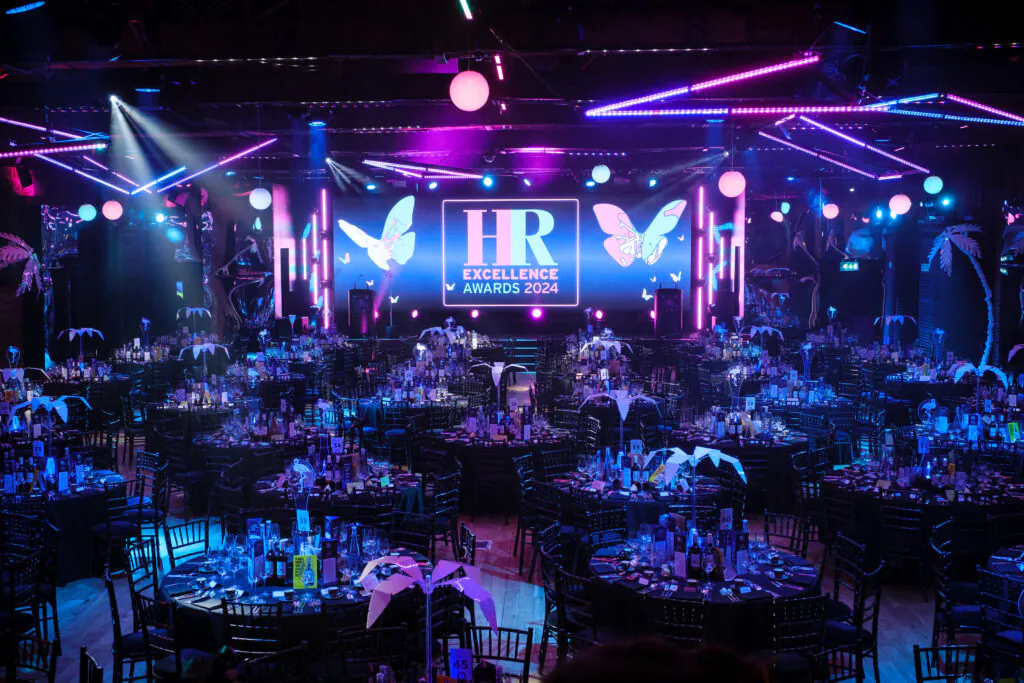
Community and public events can be even broader. Festivals, charity activities, cultural celebrations, sporting events, exhibitions, fairs, and educational programs may involve hundreds or thousands of participants. These events require careful attention to safety, accessibility, crowd movement, permits where applicable, transportation, communication, and coordination between multiple teams.
Starting With a Clear Event Purpose
One of the most important steps in event planning is defining the purpose before making detailed decisions. It is tempting to start by choosing decorations, booking entertainment, or looking at venues, but those decisions become much easier once you know what the event is supposed to accomplish.
Ask yourself what you want guests to experience or achieve. A birthday celebration may be designed around relaxation and fun, while a business conference may focus on education and networking. A charity event might aim to raise funds and awareness, while a community festival could focus on cultural connection and local participation. The purpose should influence nearly every major decision.
A clear objective also makes it easier to measure success afterward. If the event was intended to generate business leads, attendance alone may not tell the complete story. If the purpose was to celebrate a milestone, guest satisfaction and memorable experiences may matter more than financial results. Defining success early prevents confusion later.
Creating an Event Budget
Budgeting is one of the less glamorous parts of event planning, but it is one of the most important. A realistic budget gives you a framework for deciding what you can afford and where your money should go. Without one, small expenses can accumulate quickly and create unpleasant surprises near the event date.
Start by identifying the major categories of spending. These might include venue rental, catering, decorations, entertainment, photography, audiovisual equipment, transportation, staffing, invitations, marketing, security, insurance, and miscellaneous supplies. The exact categories will depend on the type of event, but writing everything down helps reveal the true cost.
It is also wise to include a contingency amount. Unexpected expenses are common in event planning. A supplier may charge an additional fee, attendance might increase, equipment could require replacement, or weather could force a last-minute change. Having some money reserved for unexpected situations gives planners flexibility and reduces stress when something does not go exactly according to plan.
Choosing the Right Venue
The venue can strongly influence the atmosphere and practical success of an event. A beautiful location may look appealing, but it is not necessarily the right choice if it cannot comfortably accommodate the expected number of guests. Capacity, accessibility, parking, transportation, facilities, layout, and available equipment should all be considered.
Think about the experience from the guest’s perspective. Is the venue easy to find? Can people move around comfortably? Are restrooms convenient? Is there enough seating? Is the entrance clearly marked? For larger events, are there appropriate arrangements for registration, security, emergency access, and crowd movement? These practical details can make a major difference.
The venue should also match the character of the event. A formal business conference might require meeting rooms and professional audiovisual equipment, while a casual outdoor celebration may benefit from an open space. Choosing a location that naturally supports the event’s purpose can reduce the amount of decoration and logistical adjustment required later.
Building a Strong Event Schedule
A good schedule keeps an event organized without making it feel overly rigid. Start by identifying the key moments that absolutely need to happen at specific times. These might include guest arrival, opening remarks, presentations, meals, entertainment, awards, ceremonies, or closing activities.
Leave realistic gaps between activities. Planners sometimes create schedules that look perfect on paper but leave no room for delays. A speaker may take longer than expected, guests may take time to move between rooms, or technical equipment may require adjustment. A small amount of flexibility can prevent one delay from affecting the entire program.
The schedule should also be communicated clearly to everyone who needs it. Staff, speakers, performers, suppliers, volunteers, and key participants should know their responsibilities and timings. Guests may need a simpler version that highlights the activities relevant to them. When everyone understands the plan, the event becomes much easier to manage.
Food, Drinks, and Guest Experience
Food is often one of the most memorable parts of an event. Whether you are serving a formal meal, buffet, snacks, desserts, or simple refreshments, the menu should match the event and the guests. A menu that looks impressive but is difficult to serve can create unnecessary complications.
Guest needs should be considered carefully. Dietary restrictions, allergies, cultural preferences, and food choices can vary significantly. Offering a reasonable selection and clearly identifying important ingredients can help guests feel more comfortable. For larger events, efficient food service is particularly important because long lines can quickly affect the overall mood.
Drinks and refreshments also deserve attention. Guests should not have to search for water or wait excessively for service. Placing refreshments in accessible locations can improve the flow of the event. Small hospitality details often make a stronger impression than expensive decorations because they directly affect how comfortable guests feel.
Entertainment and Activities
Entertainment can give an event energy and personality, but it should support the purpose rather than simply fill time. Depending on the occasion, entertainment might include live music, a DJ, performances, games, interactive activities, speakers, demonstrations, contests, or cultural presentations.
The audience should influence the choice. An activity that works well for children may not suit a formal corporate gathering. Similarly, an energetic performance might be perfect for a festival but inappropriate during a serious conference session. Understanding the audience helps planners choose entertainment that feels natural rather than forced.
Interactive activities can be particularly effective because they give guests something to do rather than asking them to remain passive throughout the event. Networking games, creative stations, photo areas, demonstrations, workshops, and audience participation can encourage people to engage with one another and become part of the experience.
Promoting Events Effectively
Even an excellent event can struggle if people do not know about it. Promotion should begin early enough to give the intended audience time to make plans. The best promotional approach depends on the type of event, target audience, location, budget, and available communication channels.
Social media can be useful for building awareness and maintaining interest. Instead of publishing one announcement and disappearing, organizers can gradually share useful information such as event highlights, speaker introductions, behind-the-scenes preparation, schedules, reminders, and practical details. This creates repeated opportunities for people to notice the event.
Traditional promotion can still be valuable as well. Posters, flyers, email invitations, community announcements, partnerships, word of mouth, and local organizations can reach audiences that may not respond strongly to social media. Effective promotion is not necessarily about using every available channel; it is about using the channels where the intended audience is most likely to pay attention.
Registration and Guest Management
Registration becomes increasingly important as the number of attendees grows. Organizers need to know who is coming, how many people to expect, and whether guests have particular requirements. A clear registration process can also help communicate important information before the event.
The registration process should be simple. If guests have to complete an unnecessarily complicated form, they may abandon it. Ask for information that is genuinely useful for planning. If payment is required, make the process clear and provide confirmation so attendees know their registration has been completed.
On the event day, check-in should be organized and welcoming. Long lines can create a poor first impression, especially if guests have already traveled a significant distance. Multiple registration points, organized attendee lists, clear signs, badges, or digital check-in options can help reduce delays when appropriate.
Technology and Events
Technology has become an important part of many modern events. Projectors, microphones, speakers, lighting systems, presentation software, registration systems, digital displays, livestreaming tools, and event applications can all improve the experience when used correctly.
However, technology should never be treated as something that automatically makes an event better. Every technical element introduces another possible point of failure. Equipment should be tested before guests arrive, and staff should know how to respond if something stops working. Having backup options for critical technology is especially important.
Digital tools can also improve communication. Event organizers may use online registration, digital schedules, reminder messages, maps, surveys, or virtual participation tools. The key is to make technology serve the event rather than allowing it to become the focus. Guests generally remember how an event made them feel more than which software was used to organize it.
Creating an Inclusive Event
An inclusive event considers the needs of different people from the beginning rather than treating accessibility as an afterthought. This includes thinking about physical access, communication, dietary needs, sensory considerations, language, seating, and other factors that may affect participation.
Accessibility can involve practical details such as step-free entrances, suitable seating arrangements, accessible restrooms, clear signage, and appropriate pathways. Depending on the event, additional accommodations may be needed. Planning these elements early is much easier than trying to solve them immediately before guests arrive.
Inclusion also extends to the content and atmosphere. Event organizers should consider whether activities, speakers, imagery, language, and entertainment create a welcoming environment. A diverse audience should feel that the event was designed with real people in mind rather than created around a narrow assumption about who will attend.
Managing Event Staff and Volunteers
Behind almost every successful event is a team of people handling tasks that guests may never notice. Staff and volunteers can manage registration, hospitality, transportation, technical support, crowd movement, setup, cleanup, speaker assistance, and countless other responsibilities.
Clear role assignment is essential. People should know what they are responsible for, where they need to be, who they report to, and what to do if a problem occurs. When responsibilities are unclear, multiple people may assume someone else is handling an important task.
Training and communication should happen before the event begins. A short briefing can review the schedule, emergency procedures, communication methods, guest expectations, and important contact information. Staff members who feel prepared are more likely to remain calm and helpful when unexpected situations arise.
Handling Unexpected Problems
No matter how carefully an event is planned, something may go wrong. A speaker might arrive late, equipment may stop working, a supplier could experience a delay, attendance may be higher than expected, or weather could disrupt an outdoor program. Good event planning does not eliminate every problem; it prepares the team to respond effectively.
The first step is to avoid panic. Not every problem requires immediate action, and rushing can sometimes create additional mistakes. Identify what has happened, determine who needs to know, and decide whether the issue affects guests directly. Then focus on the most practical solution available.
Backup plans are especially valuable for major risks. Outdoor events may need weather alternatives, presentations should ideally have accessible copies, and important contact numbers should be available to the responsible staff. The more predictable a potential problem is, the more useful it is to prepare a response in advance.
The Importance of Event Safety
Safety should be considered throughout the planning process rather than added at the end. Organizers should think about crowd capacity, emergency exits, first-aid arrangements, fire safety, electrical equipment, weather conditions, food safety, security, and other risks relevant to the event.
Different events create different safety considerations. A children’s event may require additional supervision and secure entry procedures, while a large public festival may need more comprehensive crowd management. Outdoor activities may require plans for heat, rain, wind, or other environmental conditions.
Guests should not necessarily be overwhelmed with safety information, but important instructions should be easy to find and understand. Staff members should know what to do during an emergency and who has decision-making responsibility. Preparation may seem unnecessary when everything is going well, but it becomes extremely valuable when something unexpected happens.
Measuring Event Success
After an event ends, it is tempting to pack everything away and immediately move on to the next project. However, evaluation is one of the best ways to improve future events. Start by comparing the actual results with the original objectives.
Financial performance may be important for some events, while attendance, engagement, satisfaction, donations, leads, learning outcomes, or community participation may matter more for others. Choose measurements that connect directly to the purpose of the event rather than collecting numbers simply because they are easy to obtain.
Feedback from attendees can also provide useful insight. Ask what they enjoyed, what could be improved, and whether they experienced any problems. Staff and suppliers can offer another perspective because they see operational issues that guests may not notice. Combining different types of feedback creates a more complete picture.
Common Event Planning Mistakes
One common mistake is starting too late. Even small events involve more decisions than people initially expect. Waiting until the final days to confirm suppliers, schedules, guest numbers, and equipment can create unnecessary stress and reduce available choices.
Another mistake is focusing too much on appearance while ignoring functionality. Decorations can make a venue attractive, but they cannot compensate for poor seating, confusing signage, inadequate food service, uncomfortable temperatures, or disorganized registration. Guests experience the practical side of an event just as much as the visual side.
Trying to control every tiny detail is another common problem. Planning is important, but events involve people and therefore contain some unpredictability. A strong plan provides structure while leaving enough flexibility to respond to real circumstances. The goal is not perfection; it is creating an experience that works well for the people attending.
Making Events More Memorable
Memorable events usually contain details that feel intentional. This does not necessarily mean spending a large amount of money. A personalized welcome, thoughtful activity, meaningful story, unexpected performance, attractive presentation, or simple keepsake can create a stronger emotional connection than expensive but generic additions.
Understanding the guest journey can help. Think about what people experience from the moment they hear about the event until they leave. Is registration easy? Is arrival welcoming? Do they know where to go? Are activities engaging? Are transitions comfortable? Does the event end clearly? Looking at the experience as a complete journey can reveal opportunities for improvement.
The most memorable moments often involve emotion and connection. People remember laughing with friends, meeting someone interesting, hearing an inspiring story, celebrating an achievement, or participating in something meaningful. Event planners who focus on these human experiences are more likely to create occasions that remain memorable long after the decorations have been removed.
Sustainable Event Planning
Sustainability is becoming an important consideration for many events. Organizers can reduce waste by avoiding unnecessary printed materials, choosing reusable decorations, reducing single-use items, and working with suppliers who have practical environmental policies.
Food planning can also make a difference. Ordering appropriate quantities reduces waste, while thoughtful menu planning can accommodate guests without producing excessive leftovers. Reusable serving equipment and clearly organized recycling or waste stations can also help when suitable for the venue.
Transportation is another area worth considering. Events that are accessible by public transportation, walking, cycling, or shared travel options can reduce their environmental impact. Sustainability does not have to mean making the event complicated. Often, it comes down to making thoughtful decisions throughout the planning process.
How to Build a Better Event Planning Timeline
A timeline helps transform a large event into manageable stages. Early planning can focus on the purpose, budget, approximate guest numbers, date, venue, and major suppliers. Once these foundations are established, organizers can move toward detailed programming, promotion, registration, staffing, and logistics.
As the event approaches, attention should shift toward confirmation and testing. Final guest numbers, menus, schedules, equipment, transportation, staff responsibilities, signage, and emergency procedures should be reviewed. Important suppliers and participants should know when and where they need to arrive.
The final days should be used for preparation rather than major experimentation. Print or organize necessary materials, confirm contact information, inspect equipment, prepare staff instructions, and make sure essential supplies are available. A calm final review can help identify problems while there is still time to address them.
Why Communication Is the Heart of Successful Events
Communication connects almost every part of event planning. Organizers communicate with venues, suppliers, guests, staff, speakers, performers, sponsors, volunteers, and partners. Even a small misunderstanding can create problems when multiple people depend on the same information.
Good communication should be clear, timely, and appropriate for the audience. Staff may need detailed instructions, while guests may simply need arrival information, parking details, schedules, and contact information. Sending people too much unnecessary information can be just as unhelpful as failing to provide important details.
During the event, communication becomes even more important. Team members should have a reliable way to contact one another, and someone should be responsible for coordinating decisions. When communication channels are established in advance, the team can respond more efficiently to changes and unexpected situations.
Conclusion
Events have the power to bring people together, create meaningful memories, strengthen communities, support organizations, and provide opportunities for learning and celebration. While successful events may look effortless to guests, they are usually the result of careful preparation, clear communication, thoughtful design, and strong teamwork. The best approach is to begin with purpose. Once you understand why the event exists and what you want guests to experience, decisions about the venue, budget, schedule, food, entertainment, technology, staffing, and promotion become easier. Planning should provide structure without removing flexibility, because real events rarely follow a plan perfectly.
Ultimately, great events are about people. The most important question is not whether every decoration is perfect or whether every minute follows the original schedule. It is whether guests feel welcomed, comfortable, engaged, and connected to the experience. When organizers keep that human element at the center, even a simple gathering can become an event people remember for all the right reasons.
Frequently Asked Questions About Events
What makes an event successful?
A successful event usually has a clear purpose, appropriate planning, good communication, reliable logistics, and an experience that matches the needs of its audience. Success can be measured through attendance, satisfaction, engagement, financial results, learning outcomes, or other objectives depending on the event.
How early should an event be planned?
The ideal planning period depends on the size and complexity of the event. Small gatherings may need only a few weeks, while conferences, weddings, festivals, and large public events may require many months. Starting earlier generally provides more choices and more time to handle unexpected problems.
What is the most important part of event planning?
There is no single most important task, but defining the event’s purpose is an excellent starting point. Once the purpose is clear, organizers can make more informed decisions about the budget, venue, audience, schedule, activities, and overall guest experience.
How can I keep an event within budget?
Create a detailed budget before making major commitments and separate essential expenses from optional additions. Track spending throughout the planning process and keep a contingency amount for unexpected costs. Reviewing the budget regularly can prevent unpleasant surprises.
How can events be made more engaging?
Events can become more engaging by giving guests opportunities to participate rather than simply observe. Interactive activities, discussions, demonstrations, networking opportunities, games, creative stations, and audience participation can make people feel more involved.
What should event organizers do if something goes wrong?
Stay calm, identify the problem, determine its impact, and communicate with the people responsible for solving it. Backup plans are especially helpful for predictable risks involving weather, technology, transportation, speakers, or suppliers. A flexible team can often resolve problems without guests noticing much disruption.
Why is guest feedback important after events?
Guest feedback shows what worked and what needs improvement. It can reveal issues that organizers did not notice and provide ideas for future events. Feedback is especially useful when combined with staff observations and measurable event results.
How can an event be more environmentally friendly?
Organizers can reduce waste, choose reusable materials, limit unnecessary printing, plan food quantities carefully, provide suitable recycling options, and consider transportation choices. Sustainable planning works best when environmental considerations are included from the beginning.
What role does technology play in events?
Technology can support registration, communication, presentations, audiovisual production, digital schedules, livestreaming, entertainment, and feedback collection. It should be used when it improves the experience or makes operations easier, with backup plans available for important technical systems.
What is the best way to make an event memorable?
Focus on the experience rather than simply adding more features. Personal touches, meaningful activities, good hospitality, emotional moments, opportunities for connection, and smooth organization can make a stronger impression than expensive additions. People tend to remember how an event made them feel.
YOU MAY HAVE MISSED