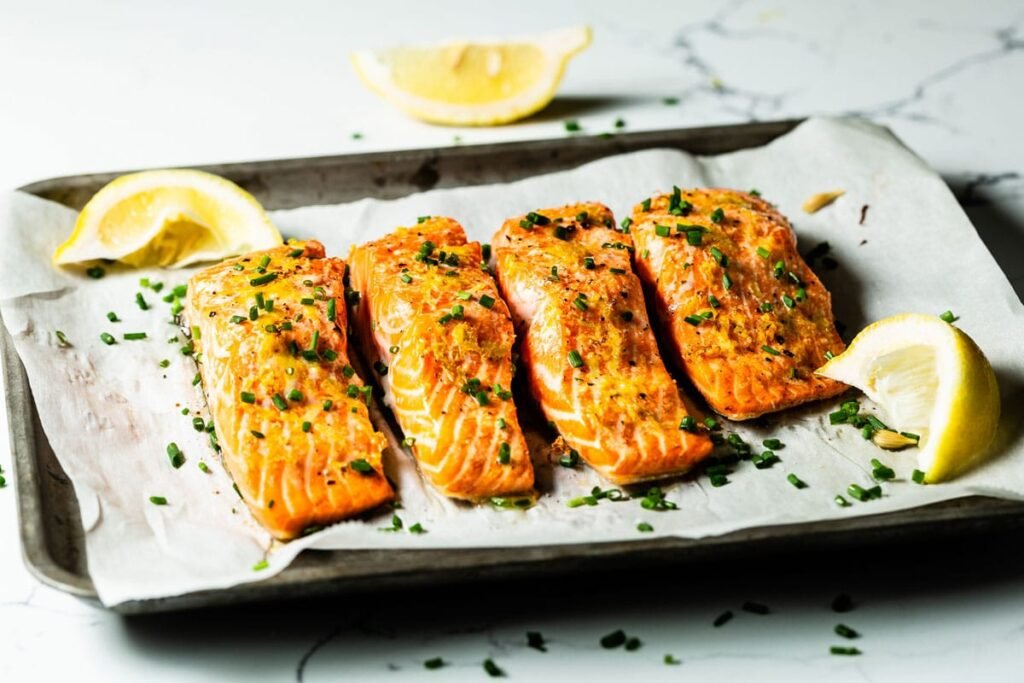
Learning how to bake salmon is one of those kitchen skills that pays off again and again. Salmon cooks relatively quickly, works with countless flavors, and can turn an ordinary weeknight dinner into something that feels special. The best part is that you do not need complicated equipment or advanced cooking skills to make it well.
The basic process is wonderfully simple: season the salmon, place it in a hot oven, and bake until it reaches the right level of doneness. The challenge is knowing exactly how long to bake it, what temperature to use, how to prevent it from drying out, and how to tell when it is ready.
In this guide, we will cover how to bake salmon from start to finish. You will learn the best oven temperatures, preparation techniques, seasoning combinations, cooking times, doneness tests, storage advice, common mistakes, and several easy variations you can make at home.
What Makes Baked Salmon So Good?
Baked salmon has a natural advantage: the oven provides steady, surrounding heat that cooks the fish relatively evenly. Unlike pan-frying, there is no need to constantly turn the fillet or monitor several surfaces at once. Once the salmon is seasoned and placed in the oven, most of the work is done.
When baked correctly, salmon should have a moist center, tender flakes, and a lightly browned or seasoned surface. The natural richness of the fish means you do not need a complicated sauce to make it delicious. A little olive oil, lemon juice, garlic, salt, and pepper can be enough for a satisfying meal.
Another reason baked salmon is so popular is its flexibility. You can pair it with roasted vegetables, rice, potatoes, pasta, salad, or grains. It can also be seasoned with Mediterranean herbs, Asian-inspired sauces, smoky spices, honey, mustard, or fresh citrus.
Choosing the Right Salmon for Baking
The first step in learning how to bake salmon is choosing a good piece of fish. Salmon fillets come in different varieties, and each has its own flavor, color, texture, and fat content. Atlantic salmon is widely available and generally has a rich, buttery texture that works extremely well in the oven.
Wild salmon varieties such as sockeye and coho can have a more pronounced flavor and a firmer texture. Because some wild salmon fillets are leaner than farmed Atlantic salmon, they can cook more quickly and may need closer attention during baking.
Freshness also matters. Fresh salmon should have a clean, mild smell rather than a strong fishy odor. The flesh should look moist and firm, and the fillet should not appear excessively dried out around the edges.
Fresh Salmon vs. Frozen Salmon
You can absolutely bake frozen salmon, although thawing it first generally gives you more control over cooking. Thawed salmon cooks more predictably because the center does not have to warm from a frozen state while the outside is already exposed to oven heat.
If using frozen salmon, thaw it safely in the refrigerator rather than leaving it on the kitchen counter for an extended period. Once thawed, pat it dry with paper towels before seasoning. Removing excess surface moisture helps the seasonings stick and encourages better browning.
Frozen salmon can still produce an excellent dinner when handled correctly. If you are short on time, some fillets can be baked from frozen, but cooking times will vary depending on thickness. A thermometer is especially useful in that situation.
The Best Oven Temperature for Baking Salmon
There is no single temperature that works for every salmon recipe, but 400°F (205°C) is an excellent general-purpose temperature. It is hot enough to cook the fish efficiently without requiring an extremely long baking time.
At 400°F, a typical salmon fillet can often be ready in roughly 10 to 15 minutes, although thickness makes a major difference. A thin fillet may finish sooner, while a thick center-cut piece can take longer.
You can also bake salmon at temperatures such as 375°F or 425°F. A slightly lower temperature provides gentler cooking, while a higher temperature can create more browning and shorten the cooking time. The important thing is to avoid relying on time alone.
How Long Should You Bake Salmon?
Cooking time is one of the biggest questions people have when learning how to bake salmon. A common guideline is approximately 4 to 6 minutes per half-inch of thickness when baking around 400°F, but this should be treated as a general estimate rather than an absolute rule.
A typical 1-inch-thick salmon fillet may take around 10 to 15 minutes at 400°F. However, the exact time depends on the size of the fillet, its starting temperature, the type of salmon, and the accuracy of your oven.
The safest approach is to begin checking the salmon toward the earlier end of the expected cooking window. You can always cook it for another couple of minutes, but rescuing overcooked salmon is much more difficult.
The Best Way to Prepare Salmon Before Baking
Preparation does not need to be complicated. Start by removing the salmon from its packaging and gently patting it dry with paper towels. Drying the surface helps oil and seasonings adhere better.
Place the salmon skin-side down if the skin is still attached. The skin acts as a protective layer between the delicate flesh and the hot baking surface. It can also become pleasantly crisp when exposed to enough heat.
Brush the top lightly with olive oil or another cooking oil. Then season generously but thoughtfully. Salt and freshly ground black pepper create a reliable foundation, while garlic, paprika, dill, parsley, thyme, lemon zest, or other seasonings can add additional personality.
A Simple Baked Salmon Recipe
A basic recipe is often the best place to start. For approximately four servings, use four salmon fillets, a little olive oil, salt, black pepper, garlic, lemon, and a handful of fresh herbs if available.
Preheat your oven to 400°F (205°C). Line a baking sheet with parchment paper or lightly grease the surface. Place the salmon fillets skin-side down, brush them with olive oil, and season with salt, pepper, and minced or powdered garlic.
Bake until the thickest part of the fish reaches your desired doneness. For food safety, the U.S. Food and Drug Administration recommends cooking fish to an internal temperature of 145°F (63°C). Use an instant-read thermometer inserted into the thickest portion for the most reliable measurement.
How to Tell When Salmon Is Done
A thermometer is the most dependable way to check salmon. Insert it into the thickest section of the fillet, avoiding the baking tray and any bones. The FDA recommends 145°F for fish. (fda.gov)
Visual signs can also provide clues. Properly cooked salmon generally changes from translucent to opaque and separates into flakes when gently pressed with a fork. However, color alone is not a reliable indicator of food safety because salmon varieties naturally differ in color.
Keep in mind that salmon continues cooking slightly after being removed from the oven. If you are monitoring temperature closely, account for this carryover cooking rather than leaving the fish in the oven until it becomes noticeably dry.
Why Salmon Sometimes Turns Out Dry
Dry salmon is usually the result of overcooking. Because salmon contains natural fat, it can remain moist when cooked properly, but extended exposure to high heat eventually drives moisture out of the flesh.
Another issue is baking very thin fillets for the same amount of time as thick ones. Cooking time should always reflect the thickness of the fish rather than simply following a fixed number of minutes.
Sauces and marinades can add flavor, but they cannot completely fix severely overcooked fish. The best way to keep salmon moist is to monitor its cooking progress and remove it when it reaches the appropriate temperature.
Should You Bake Salmon Covered or Uncovered?
Most salmon fillets can be baked uncovered. This allows the surface to roast and the seasoning to develop a little color. It is a straightforward approach and works particularly well for fillets topped with herbs, spices, breadcrumbs, or a light glaze.
Covering salmon with foil can create a gentler, more humid environment. This can be useful for certain recipes, especially when you want a softer texture or are cooking the salmon with vegetables, citrus, or a sauce.
However, covered salmon will not brown in the same way as uncovered salmon. If you want a roasted surface, leave it uncovered for at least part of the cooking process.
Should You Bake Salmon With the Skin On?
Yes. Baking salmon with the skin on is often one of the easiest ways to protect the flesh. Place the fillet skin-side down on the baking sheet and let the skin act as a natural barrier.
If you do not want to eat the skin, that is completely fine. After baking, the flesh can usually be separated from the skin with a spatula. Some people prefer to crisp the skin, while others simply discard it after cooking.
For maximum flavor, you can season the flesh side generously while keeping the skin relatively simple. A little oil on the skin can help prevent excessive sticking.
How to Season Baked Salmon
One of the best things about salmon is how well it accepts different seasoning styles. For a simple preparation, combine salt, black pepper, garlic powder, lemon zest, and dried dill. Finish with fresh lemon juice after baking.
For a sweeter flavor profile, use honey and Dijon mustard. The honey caramelizes slightly in the oven while the mustard adds tanginess. A small amount of garlic or paprika can make the glaze more complex.
For an Asian-inspired version, try a combination of soy sauce, ginger, garlic, sesame oil, and a touch of honey or maple syrup. Brush the glaze over the salmon before baking, while keeping an eye on it because sweet sauces can darken quickly.
Lemon Garlic Baked Salmon
Lemon and garlic are classic salmon partners for a reason. Lemon brings acidity that cuts through the fish’s richness, while garlic adds savory depth without overwhelming the salmon.
For this version, combine olive oil, minced garlic, lemon zest, salt, and pepper. Spread the mixture over the fillets and bake at 400°F until the fish reaches the appropriate internal temperature.
Add fresh lemon juice after baking rather than relying entirely on lemon juice before cooking. Fresh juice added at the end provides a brighter flavor and keeps the dish tasting fresh.
Honey Garlic Salmon
Honey garlic salmon is ideal if you enjoy a combination of sweet and savory flavors. The glaze can be made with honey, garlic, soy sauce, and a small amount of lemon juice or rice vinegar.
Brush the glaze over the salmon before placing it in the oven. Because honey contains sugar, watch the fish carefully toward the end of cooking. A very hot oven can cause the glaze to darken quickly.
The result should be glossy and flavorful, with the sweetness balanced by salty soy sauce and aromatic garlic. Serve it with steamed rice and vegetables for an easy complete meal.
How to Bake Salmon in Foil
Baking salmon in foil is a popular technique because it creates a small enclosed environment around the fish. You can add lemon slices, herbs, garlic, vegetables, and a drizzle of olive oil before sealing the foil packet.
The trapped steam helps keep the fish moist while it cooks. This method is particularly useful for leaner salmon varieties or recipes containing vegetables that benefit from gentle steaming.
Be careful when opening the packet because hot steam can escape quickly. Open the foil away from your face and hands. If you want more browning, open the packet toward the end of cooking and return the salmon to the oven briefly.
How to Bake Salmon With Vegetables
Baking salmon and vegetables together is one of the easiest ways to create a complete meal on one tray. The key is choosing vegetables with similar cooking times or giving slower-cooking vegetables a head start.
Broccoli, asparagus, zucchini, bell peppers, cherry tomatoes, and thinly sliced onions can work particularly well. Toss the vegetables with olive oil, salt, and pepper before arranging them around the salmon.
Dense vegetables such as potatoes usually need more time than salmon. If you want potatoes on the same tray, roast them first and add the salmon later so everything finishes around the same time.
How to Bake Salmon From Frozen
If you need to cook salmon without thawing it first, baking from frozen is possible. The cooking process will generally take longer than it would for thawed salmon, and the surface may not brown as evenly.
Start by removing any packaging and placing the frozen fillet on a prepared baking sheet. Brush or season it as well as possible, understanding that some seasonings may not adhere until the exterior begins to thaw.
Use a thermometer to determine doneness rather than relying on a fixed cooking time. The thickest part needs to reach the appropriate safe internal temperature according to food-safety guidance.
Common Mistakes When Baking Salmon
One of the most common mistakes is using the same cooking time for every piece of salmon. Fillets vary dramatically in thickness, and a thin tail section can become overcooked while a thick center-cut piece is still finishing.
Another mistake is failing to dry the salmon before seasoning. Excess surface moisture can dilute seasonings and interfere with browning. Patting the fillet dry takes only a few seconds and can improve the final result.
Over-seasoning is another common problem. Salmon has a distinctive flavor of its own. A good recipe should enhance that flavor rather than completely cover it. Start with a few complementary ingredients and build from there.
How to Keep Salmon Moist and Tender
Keeping salmon moist starts before it goes into the oven. Choose a reasonably thick fillet, pat it dry, apply a light layer of oil, and avoid excessively high cooking temperatures unless the recipe specifically calls for them.
Do not repeatedly open the oven door. Every time the door opens, heat escapes and the cooking environment changes. Check the salmon when you approach the expected cooking window rather than constantly monitoring it from the beginning.
Finally, allow the salmon to rest for a few minutes after removing it from the oven. Resting gives the juices a moment to redistribute and allows carryover cooking to finish naturally.
What to Serve With Baked Salmon
Baked salmon pairs beautifully with simple side dishes. Roasted potatoes, mashed potatoes, rice, quinoa, couscous, and crusty bread all work well. For a lighter meal, serve the fish with a large green salad or roasted vegetables.
For a Mediterranean-style dinner, combine salmon with roasted tomatoes, cucumber salad, olives, lemon, and herbed couscous. For an Asian-inspired plate, serve it with steamed rice, edamame, cucumber, and sesame-seasoned vegetables.
The best side dishes usually provide contrast. Since salmon is naturally rich, something acidic, crisp, fresh, or lightly seasoned can help balance the plate.
How to Store Leftover Baked Salmon
If you have leftover salmon, refrigerate it promptly in a covered container. Cooked fish is best used within a few days when properly refrigerated, and it should be handled according to standard food-safety practices.
When reheating salmon, gentle heat is preferable. High temperatures can quickly dry the fish. Reheat it in the oven at a moderate temperature or use another gentle method until warmed through.
Leftover salmon does not have to become another identical dinner. Flake it into salads, grain bowls, sandwiches, wraps, pasta, or salmon cakes. This can make leftovers feel like a completely different meal.
How to Reheat Salmon Without Drying It Out
The microwave is convenient but can overcook salmon quickly. If you use one, heat the fish in short intervals and avoid blasting it at full power for an extended period.
The oven provides more even reheating. Place the salmon in a covered baking dish with a small splash of water, broth, or sauce. Heat it gently until warmed through.
You can also eat leftover salmon cold. Chilled baked salmon works surprisingly well in salads, wraps, and grain bowls, particularly when combined with a creamy or acidic dressing.
Can You Bake Salmon Ahead of Time?
Yes, baked salmon can be prepared ahead, although it is generally best when freshly cooked. If you are preparing food for a gathering, you can season the salmon in advance and refrigerate it until you are ready to bake.
Avoid leaving seasoned raw salmon at room temperature while waiting for guests. Keep it refrigerated and bring it out only when you are ready to cook it.
For meal preparation, baked salmon can be divided into individual containers with vegetables, rice, or grains. This makes it a practical option for lunches and dinners throughout the week.
How to Make Restaurant-Style Baked Salmon at Home
Restaurant-style results do not require expensive equipment. The biggest difference usually comes from paying attention to the basics: good-quality fish, proper seasoning, accurate oven temperature, and careful cooking.
A thermometer is one of the most useful tools you can own. Instead of guessing whether the salmon is done, you can check its internal temperature directly. That eliminates much of the uncertainty involved in baking fish.
Presentation also matters. After baking, add fresh herbs, lemon wedges, a drizzle of sauce, or a few flakes of sea salt. These small finishing touches can make a simple home-cooked salmon fillet look much more polished.
How to Choose the Right Pan
A standard rimmed baking sheet works well for salmon. If you are worried about sticking, line it with parchment paper or lightly grease the surface.
A glass or ceramic baking dish can also work, especially for saucy recipes. These dishes hold sauces and juices neatly around the fish, making them useful for recipes where you want the salmon to cook alongside flavorful ingredients.
Whatever pan you choose, avoid overcrowding. If you are baking several fillets, leave enough space around each piece for heat to circulate properly.
How to Bake Thick-Cut Salmon
Thick salmon fillets require more attention because the outside can become fully cooked before the center reaches the desired temperature. A moderate oven temperature is often easier to manage than an extremely hot oven.
Start checking the thickest part before you expect it to be finished. If the exterior is browning too quickly, you can loosely cover the fish with foil while the center continues cooking.
The thermometer should be inserted into the thickest part of the fillet. Measuring near the edge can produce a misleading reading because the thinner section heats faster.
How to Bake Thin Salmon Fillets
Thin salmon cooks quickly, so it is particularly important not to walk away from the oven for too long. A few extra minutes can make a noticeable difference in texture.
Thin fillets are excellent for quick weeknight dinners. They can be seasoned simply, baked at a moderate-high temperature, and served with a salad or quick-cooking vegetable.
Because thin salmon can dry quickly, start checking it early. If the fish is already opaque and flakes easily, measure the temperature before deciding whether it needs additional cooking.
A Simple Baked Salmon Formula You Can Remember
If you do not want to memorize a complicated recipe, remember this basic formula: salmon + oil + salt + pepper + one flavorful element + fresh finish.
The flavorful element could be garlic, mustard, honey, herbs, paprika, soy sauce, chili, or pesto. The fresh finish could be lemon juice, chopped parsley, dill, cilantro, or green onion.
This approach gives you dozens of variations without needing a completely new recipe every time. Once you understand the basic technique, you can adapt salmon to whatever ingredients are already in your kitchen.
Final Thoughts on How to Bake Salmon
Learning how to bake salmon does not have to be complicated. The most important principles are choosing good fish, drying it before seasoning, using an appropriate oven temperature, watching the thickness of the fillet, and checking doneness rather than blindly following the clock. A temperature around 400°F is a practical starting point for many recipes, while an instant-read thermometer gives you far more confidence than visual guessing. The FDA recommends cooking fish to 145°F (63°C), which is the standard safe internal temperature. Once you master the basic method, there is plenty of room to experiment. Try lemon and garlic for a classic dinner, honey and mustard for something sweeter, soy and ginger for an Asian-inspired meal, or fresh herbs and olive oil for a lighter Mediterranean approach.
The beauty of baked salmon is that the technique remains simple while the flavors can change endlessly. With a little practice, you can confidently turn a few salmon fillets into a flavorful, tender, satisfying meal without spending hours in the kitchen.
Frequently Asked Questions About How to Bake Salmon
How long does salmon take to bake at 400°F?
A typical salmon fillet may take approximately 10 to 15 minutes at 400°F, but the exact time depends on thickness and starting temperature. Always check the thickest part rather than relying solely on the clock.
What temperature should baked salmon reach?
For food safety, the FDA recommends cooking fish to an internal temperature of 145°F (63°C). A food thermometer inserted into the thickest portion provides the most reliable measurement.
Should salmon be covered when baking?
Salmon does not have to be covered. Baking it uncovered allows the surface to brown and develop flavor. Covering it with foil can create a gentler, steamier cooking environment and may help certain recipes retain moisture.
Do you bake salmon skin-side up or down?
When baking salmon with the skin attached, place it skin-side down. The skin helps protect the flesh from direct heat and makes the fillet easier to handle after cooking.
Can I bake salmon from frozen?
Yes, salmon can be baked from frozen, although it generally takes longer and may brown less evenly. Use an internal thermometer to determine when it reaches a safe temperature.
What is the easiest seasoning for salmon?
Olive oil, salt, black pepper, garlic, and lemon are among the easiest combinations. Fresh dill or parsley can be added for extra flavor.
Why does my baked salmon become dry?
Overcooking is the most common reason salmon becomes dry. Cooking time varies with thickness, so begin checking the fish before the estimated finish time and use a thermometer whenever possible.
What vegetables go well with baked salmon?
Asparagus, broccoli, zucchini, bell peppers, cherry tomatoes, green beans, and onions all pair well with salmon. When baking them together, remember that dense vegetables such as potatoes usually need a head start.
Is baked salmon healthy?
Salmon is a nutrient-dense food and is a source of high-quality protein and omega-3 fatty acids. The overall nutritional profile of a meal also depends on portion size, preparation method, sauces, and accompanying foods.
What is the best way to reheat baked salmon?
Reheat salmon gently to reduce the risk of drying it out. A moderate oven or short microwave intervals can work well. Adding a little sauce or liquid can also help maintain moisture.
Can I prepare salmon before baking?
Yes. You can season salmon ahead of time and keep it refrigerated until you are ready to cook it. Avoid leaving raw salmon at room temperature for extended periods.
What is the easiest way to learn how to bake salmon?
Start with a simple recipe using olive oil, salt, pepper, garlic, and lemon. Bake the salmon at around 400°F and use an instant-read thermometer to check the thickest section. Once you understand the basic timing and texture, experiment with different sauces and seasonings.
YOU MAY HAVE MISSED