The phrase NBC Olympics has become closely associated with how millions of viewers in the United States experience the Olympic Games. For decades, NBC has turned the Olympics into more than a collection of sporting events. Its coverage combines live competition, athlete stories, expert commentary, interviews, highlights, analysis, entertainment, and behind-the-scenes features to create a viewing experience that can keep audiences connected throughout the Games.
In recent years, the way people watch the Olympics has changed dramatically. Traditional television remains important, but streaming has become just as significant. NBCUniversal has increasingly used Peacock alongside NBC and other platforms to give viewers more control over what they watch and when they watch it. During Paris 2024, Peacock offered every sport and event, including all 329 medal events, while also introducing features designed to make thousands of hours of coverage easier to navigate.
The evolution continued with the Milan Cortina 2026 Winter Olympics. NBC and Peacock served as the primary platforms, with Peacock streaming every sport and event and NBC expanding its daytime Olympic programming. NBCUniversal described the 2026 Winter Games as its largest Winter Olympics presentation, with more than 3,200 hours of coverage across broadcast, cable, and streaming platforms.
What Is NBC Olympics?
NBC Olympics refers to NBCUniversal’s extensive coverage and presentation of the Olympic Games for audiences in the United States. It is not simply one television program. Instead, it represents a large media operation involving broadcast television, streaming, digital platforms, commentators, reporters, producers, analysts, technology teams, and entertainment programming.
The goal is to make the Olympic Games accessible to different types of viewers. Someone who wants to watch a major event in primetime can turn to NBC, while another viewer who wants to follow a specific athlete or less prominent sport can use Peacock or digital platforms. This approach recognizes that Olympic audiences do not all watch in the same way.
NBC’s Olympic presentation also places considerable emphasis on storytelling. The Olympics are filled with personal journeys, unexpected victories, rivalries, comebacks, injuries, family stories, and emotional medal moments. Good Olympic coverage helps viewers understand why those moments matter instead of simply showing the scoreboard.
The Long History of NBC Olympics Coverage
NBC has developed one of the most recognizable Olympic broadcasting operations in the United States. Over the years, its coverage has changed alongside television technology and audience habits, but the basic goal has remained the same: bring major Olympic moments to American viewers in an engaging way.
Earlier generations of Olympic viewers depended almost entirely on television schedules. Viewers generally had to wait for scheduled broadcasts to see important competitions, highlights, and results. As technology developed, NBC expanded its coverage across additional networks and digital platforms.
The expansion became especially noticeable during the digital era. Instead of treating the Olympics as a limited television event, NBCUniversal began treating the Games as a multimedia experience. The Tokyo 2020 Olympics, held in 2021, demonstrated the scale of this approach, with NBCUniversal reporting more than 7,000 hours of coverage across numerous television and digital platforms.
How NBC Olympics Has Changed With Streaming
Streaming has completely changed the Olympic viewing experience. Traditional television still provides major events and highly produced primetime presentations, but streaming allows viewers to choose from far more competitions than a single television channel could ever show.
Peacock became a major part of NBCUniversal’s Olympic strategy. During Paris 2024, Peacock streamed every sport and every event, including all 329 medal events. The platform also offered full-event replays, clips, NBC programming, schedules, medal standings, athlete information, and other Olympic content.
This approach is particularly useful because Olympic competitions frequently overlap. Swimming may be happening while gymnastics, basketball, tennis, track and field, or another sport is taking place. A traditional channel has to make programming decisions, but a streaming service can provide multiple viewing options at the same time.
NBC and Peacock Work Together
One of the most important developments in NBC Olympics coverage is the relationship between NBC television and Peacock streaming. These platforms are designed to complement each other rather than simply compete for viewers.
NBC provides the traditional broadcast experience, including major live events, carefully produced daytime programming, and primetime presentations. This is particularly useful for casual viewers who want to sit down and enjoy the biggest Olympic stories without searching through dozens of streams.
Peacock, on the other hand, is built for viewers who want control. Fans can search for sports, athletes, events, replays, schedules, and other content. During Paris 2024, Peacock introduced an Olympic Hub and interactive features intended to help viewers navigate more than 5,000 hours of live coverage.
Why Peacock Became Important to NBC Olympics
The sheer size of the modern Olympic schedule makes streaming extremely valuable. There can be multiple competitions happening simultaneously, and television cannot realistically show everything live on one channel.
Peacock solves part of that problem by giving viewers access to a much wider selection. During the 2026 Winter Olympics, Peacock was positioned as the U.S. streaming home of the Games, with all sports and events available live, including all 116 medal events. Full-event replays and NBC programming were also part of the offering.
For dedicated Olympic fans, this means the experience can be much deeper than simply watching whatever happens to be on NBC. A viewer can follow a favorite athlete, check another sport during a commercial break, return to an earlier competition, and explore highlights afterward.
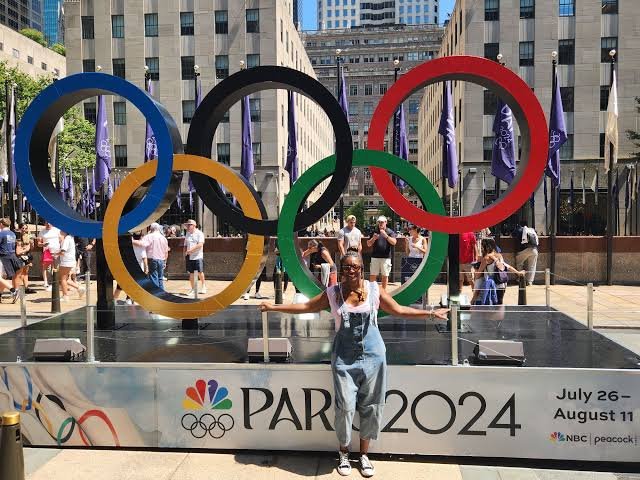
NBC Olympics During Paris 2024
Paris 2024 represented an important step in NBCUniversal’s Olympic strategy. Because Paris is only several hours ahead of the U.S. East Coast, NBC was able to provide significant live daytime programming while also producing a major primetime presentation.
NBCUniversal announced that NBC would feature an Olympic daytime takeover with major events live, followed by an enhanced primetime program designed around the day’s biggest competitions, stories, and personalities.
Peacock provided another layer of coverage. Its Olympic experience included live events, full replays, highlights, schedules, medal standings, athlete searches, and interactive tools. The platform also introduced a Multiview experience that allowed fans to follow multiple live events more easily.
NBC Olympics and the Milan Cortina 2026 Winter Games
The Milan Cortina 2026 Winter Olympics represented another major chapter for NBC Olympics. The Games were held from February 6 through February 22, 2026, with events taking place across northern Italy.
NBC and Peacock were the primary platforms for NBCUniversal’s coverage. The programming strategy benefited from the time-zone relationship between Italy and the United States, allowing NBC to present substantial live daytime coverage while maintaining a strong evening primetime presentation.
NBCUniversal planned more broadcast-network programming hours for Milan Cortina than for any previous Winter Olympics. Peacock also streamed all sports and events, including all 116 medal events.
What Made Milan Cortina Different?
The Italian setting gave NBC Olympics a distinctive visual and cultural opportunity. Milan provided an urban backdrop, while Cortina and other locations offered dramatic Alpine scenery.
Olympic broadcasting is not only about the competitions themselves. Host cities and regions become part of the story. Viewers often enjoy learning about local culture, food, architecture, history, and landscapes while following the athletes.
NBCUniversal incorporated this element into its Milan Cortina presentation. Actor and author Stanley Tucci joined primetime coverage to spotlight Italian food, culture, and lifestyle, adding another layer to the traditional sports presentation.
The Importance of Olympic Primetime
Primetime remains one of the most recognizable parts of NBC Olympics. While streaming has changed the industry, a primetime program gives casual viewers a convenient way to experience the biggest moments of the day.
Rather than requiring viewers to understand every event schedule, primetime programming can select the most important competitions and stories. Producers can build a narrative around medal victories, dramatic finishes, surprising performances, and athletes who captured the public’s attention.
For Milan Cortina 2026, NBC used the title Primetime in Milan. The program was designed around major events, athletes, emotional stories, and the atmosphere of the Winter Games, providing a highly produced evening presentation for viewers.
How NBC Covers Different Olympic Sports
One of the biggest challenges of Olympic broadcasting is the incredible variety of sports. Swimming, gymnastics, track and field, figure skating, skiing, hockey, snowboarding, basketball, and dozens of other disciplines all require different types of expertise.
NBC Olympics uses commentators and analysts who understand the technical details of their respective sports. This is important because Olympic competition can be difficult for casual viewers to understand.
A knowledgeable analyst can explain why a particular routine was impressive, why a skier gained time on a specific section of the course, or why a hockey team’s tactical decision mattered. That information can transform a confusing competition into something much more enjoyable.
The Role of Olympic Commentators
Commentators are a major part of NBC Olympics. They provide context, emotion, technical analysis, and historical perspective while the competition unfolds.
Many Olympic commentators have direct experience with elite competition. Former athletes can explain details that ordinary viewers might not notice, while experienced broadcasters help maintain the flow and excitement of a live event.
NBCUniversal’s Olympic coverage has included large teams of commentators. For example, its Tokyo 2020 presentation featured a record 178 commentators, including Olympic medalists and former competitors.
Olympic Stories Beyond the Medal Count
The medal table is important, but it does not tell the whole Olympic story. NBC Olympics frequently focuses on athletes whose journeys are just as compelling as their final results.
An athlete may have spent years recovering from an injury, overcoming difficult circumstances, changing coaches, or balancing education and professional training. Those details can make an Olympic appearance meaningful even if the athlete does not win a medal.
This storytelling approach helps audiences connect with athletes as people rather than simply treating them as names on a scoreboard. It is one reason Olympic coverage can become emotionally powerful even for viewers who normally do not follow a particular sport.
Gold Zone and Fast-Paced Olympic Viewing
One of the popular ideas in modern Olympic coverage is the whip-around program. Instead of staying with one event, the program moves quickly between competitions to show viewers the most important moments happening around the Games.
NBCUniversal’s Gold Zone became part of this approach. The concept is especially helpful when several sports are happening simultaneously and viewers do not want to miss a medal-winning performance or dramatic finish.
The format reflects how sports audiences increasingly consume content. Many viewers want speed, variety, and constant updates rather than committing to one competition for several hours.
Multiview and the Future of Olympic Streaming
Multiview technology has become one of the most interesting developments in Olympic streaming. Instead of watching only one event, viewers can follow several live competitions on the same screen.
During Paris 2024, Peacock introduced a Discovery Multiview experience capable of helping users navigate multiple events. NBCUniversal said as many as 40 live events could be happening simultaneously, making tools that simplify discovery especially valuable.
For fans, Multiview changes the feeling of watching the Olympics. Rather than constantly leaving one stream to search for another, viewers can keep multiple competitions in view and focus on whichever one becomes most exciting.
New Technology in NBC Olympics Coverage
Technology continues to play an increasingly important role in Olympic broadcasting. High-definition video, advanced replay systems, streaming infrastructure, mobile viewing, interactive schedules, and personalized discovery tools have all changed how audiences consume the Games.
During Milan Cortina 2026, Peacock introduced additional features designed around more immersive viewing. Rinkside Live, for example, offered alternative camera angles for selected hockey and figure-skating coverage, giving viewers perspectives beyond the standard broadcast feed.
These innovations show how Olympic coverage is moving beyond the simple idea of broadcasting a camera feed. Modern viewers increasingly expect flexibility, personalization, and access to additional perspectives.
NBC Olympics and Hockey
Winter Olympics hockey is one of the most popular parts of NBC’s Winter Games coverage. The sport combines speed, physicality, national rivalries, and highly recognizable athletes.
Milan Cortina 2026 was particularly significant because NHL players returned to the men’s Olympic hockey tournament after not participating in the previous several Games. NBCUniversal highlighted the return of NHL stars as one of the major attractions of the tournament.
The USA-Canada rivalry also provided a major storyline. International hockey has a unique ability to bring national pride and professional-level talent together, making it an ideal Olympic television event.
NBC Olympics and Gymnastics
Gymnastics has long been one of the most popular Olympic sports for American television audiences. The combination of difficult routines, individual personalities, scoring pressure, and dramatic competition creates natural television moments.
NBC’s gymnastics coverage typically combines live performances with expert analysis and athlete storytelling. Viewers who are unfamiliar with technical elements can learn what judges are looking for while experienced fans can appreciate smaller details.
Streaming also provides opportunities for viewers to follow more gymnastics coverage than traditional primetime programming can provide. Replays and digital clips make it easier to revisit memorable routines.
NBC Olympics and Track and Field
Track and field is another cornerstone of Olympic coverage. Events range from explosive short sprints to endurance races and technical competitions such as pole vault, high jump, and throwing events.
The sport is particularly suited to Olympic storytelling because individual races can be decided by extremely small margins. A fraction of a second can separate an Olympic champion from the rest of the field.
NBC coverage helps provide context around these performances by explaining athlete histories, records, rivalries, and qualification journeys. This makes the final race more meaningful for viewers who may have never followed the athlete before.
NBC Olympics and Figure Skating
Figure skating has a special place in Winter Olympic broadcasting because it combines athletic performance with artistic presentation.
Viewers often want to understand both the technical difficulty and the artistic quality of a routine. Commentators help explain jumps, spins, sequences, transitions, and scoring while also discussing the emotional pressure of Olympic competition.
Modern streaming features can add another dimension. During Milan Cortina 2026, NBCUniversal promoted Rinkside Live and alternative camera experiences that could provide fans with perspectives from areas such as coaching and training spaces during selected events.
NBC Olympics on Mobile Devices
Mobile viewing has become a normal part of modern sports consumption. Many fans no longer watch the Olympics exclusively from a television in the living room.
Phones and tablets allow viewers to check results, watch live events, view highlights, follow athletes, and keep up with competitions while away from home.
This is particularly valuable for the Olympics because events can happen at unusual times depending on the host country’s time zone. Streaming makes it easier for viewers to catch an event later instead of relying entirely on a fixed television schedule.
Why Olympic Replays Matter
Live coverage is exciting, but replays are equally important for an event as large as the Olympics. A viewer cannot realistically watch every competition live.
NBCUniversal has increasingly built replay functionality into its Olympic streaming strategy. Peacock has offered full-event replays so viewers can return to competitions they missed or watch an entire event after learning the result.
Replays also help international audiences and people with busy schedules. Someone who is working, studying, or sleeping during an event can still experience the competition afterward.
NBC Olympics and Social Media
Social media has become another important part of Olympic coverage. Major moments can spread across social platforms within seconds, creating conversations far beyond traditional television audiences.
NBCUniversal uses digital content to highlight memorable performances, interviews, behind-the-scenes moments, and emotional reactions. Short-form clips can attract viewers who might not sit through an entire event.
This also creates a feedback loop. A spectacular Olympic moment becomes popular online, which encourages more people to watch the full competition and learn about the athlete involved.
NBC Olympics and Accessibility
A modern Olympic broadcast has to serve a wide range of viewers. Accessibility features can help people with different viewing needs follow the action and understand the presentation.
NBCUniversal has included accessibility among the broader components of its Olympic coverage strategy. The company has emphasized accessibility alongside broadcast, streaming, social, audio, and other forms of distribution.
As technology continues to develop, accessibility can become even more integrated into streaming platforms and connected-TV experiences.
How NBC Olympics Connects Sports With Entertainment
NBC’s Olympic coverage is not limited to competition. Entertainment plays an important role in making the Games accessible to a broad audience.
Primetime programs often include athlete profiles, cultural features, interviews, emotional stories, and explanations of the day’s biggest events. These elements can help casual viewers become invested in athletes they had never heard of before the Games.
The combination of sports and entertainment is particularly useful during the Olympics because the event attracts people who may not normally watch sports. Someone interested in a particular athlete’s story may eventually become interested in the sport itself.
The Business Importance of NBC Olympics
The Olympics are one of the most valuable sports properties in television. They attract large audiences, create advertising opportunities, and provide extensive content for television and digital platforms.
NBCUniversal has committed to Olympic coverage well into the future. The company holds U.S. media rights through 2036, covering multiple future Summer and Winter Games.
That long-term commitment gives NBC an opportunity to continue developing its Olympic presentation rather than treating each Games as an isolated project. Lessons from one Olympics can influence technology, programming, and storytelling at the next.
The Future of NBC Olympics
The future of NBC Olympics will likely be shaped by streaming, personalization, artificial intelligence, interactive viewing, and increasingly sophisticated digital platforms.
Traditional television will remain important because major Olympic moments still benefit from a shared national broadcast. At the same time, streaming will continue giving dedicated fans more control over what they watch.
The biggest opportunity may be personalization. Instead of presenting every viewer with the same Olympic experience, future platforms could make it easier to build individualized schedules around favorite sports, countries, athletes, and events.
Why NBC Olympics Remains Popular
The strength of NBC Olympics comes from combining scale with storytelling. The company can provide enormous amounts of live competition while also producing polished programs that explain why the competition matters.
The Olympics themselves create much of the excitement, but broadcasting determines how that excitement reaches the audience. A great camera angle, an emotional interview, a knowledgeable commentator, or a well-timed replay can turn a good sporting moment into a memorable television moment.
NBC’s continued investment in both television and streaming suggests that the Olympic viewing experience will keep evolving. Paris 2024 and Milan Cortina 2026 demonstrated how much the Olympic presentation has expanded beyond traditional broadcasting.
Final Thoughts on NBC Olympics
NBC Olympics represents a constantly evolving approach to covering one of the world’s biggest sporting events. From traditional primetime television to massive streaming libraries, the viewing experience has changed dramatically over the years. The shift toward Peacock has been particularly important. During Paris 2024, viewers received access to every sport and event, while Milan Cortina 2026 continued the strategy with live coverage of every Winter Olympic sport and medal event on the streaming platform.
YOU MAY HAVE MASSED