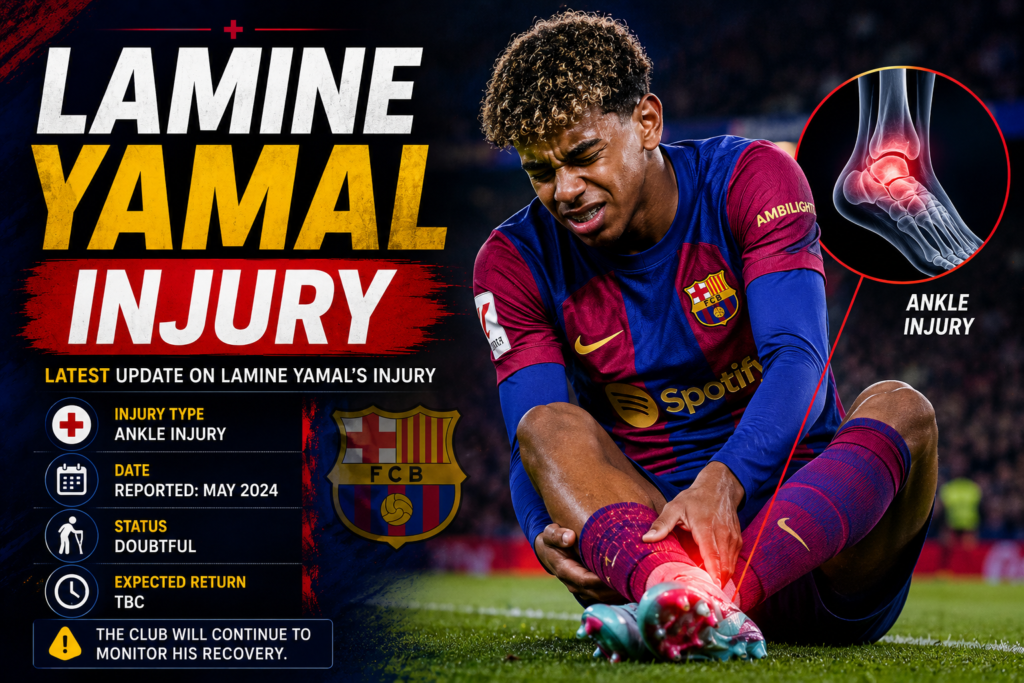
Young footballers who rise as quickly as the Barcelona and Spain winger often face the physical demands of elite competition earlier than previous generations. Fans tracking every update about Lamine Yamal injury situations understand that managing these moments carefully can shape an entire career. From early muscular complaints to a significant hamstring issue that interrupted the end of a campaign, the story of his physical challenges reveals both vulnerability and remarkable resilience.
The attention surrounding each Lamine Yamal injury report stems from his importance to club and country. At an age when many players are still developing physically, he has already carried heavy responsibility in title races and major tournaments. Understanding the nature of these setbacks, the recovery processes involved, and the lessons learned helps supporters appreciate the careful balance between ambition and long-term health. This article examines the full picture so readers gain clear insight into how the player and his medical teams have navigated recent difficulties.
Understanding the Pattern of Early Career Physical Challenges
Elite football places extraordinary strain on developing bodies. Explosive acceleration, repeated changes of direction, and the volume of matches across domestic and international calendars create cumulative stress. For a player whose game relies so heavily on sharp bursts and close control, certain areas of the body naturally experience greater load. Early signs of discomfort often appear in the groin and surrounding soft tissues before larger muscle groups become affected.
Medical staff monitor these warning signals closely. Small periods of rest, targeted strengthening, and adjustments to training intensity form the first line of response. When managed well, minor issues resolve without long absences. When the calendar remains relentless, however, the same niggles can return and eventually force more significant interruptions. The experience of recent seasons illustrates how even the most talented athletes must adapt their preparation as workloads increase.
The Recurring Groin and Pubalgia Issues
During the 2025-26 season a pattern of groin discomfort emerged that required careful attention. Pubalgia, a condition involving pain in the lower abdomen and groin region, has affected several high-profile attackers who rely on rapid acceleration and cutting movements. Multiple short absences followed, each lasting from a week to just under three weeks. These spells interrupted rhythm at both club and international level and sparked public discussion about workload management.
Barcelona and the Spanish national team exchanged strong opinions about the best approach. Club officials expressed concern that international duty had aggravated existing discomfort, while national team staff maintained that appropriate caution had been exercised. The player himself continued to train and compete when possible, sometimes with the aid of carefully managed pain relief. The episode highlighted the difficulty of balancing club priorities with national team ambitions when a young star sits at the center of both projects.
The Significant Hamstring Setback in April 2026
A more serious interruption arrived in late April during a La Liga match against Celta Vigo. After scoring from the penalty spot, the player felt discomfort in the left hamstring and eventually required substitution. Subsequent scans confirmed a muscle tear in the biceps femoris. The injury forced him to miss the remaining fixtures of the domestic season, including a high-profile Clasico, at a moment when Barcelona were closing in on another title.
The timing created immediate anxiety about the upcoming World Cup. Initial projections suggested a recovery window of six to seven weeks. Medical teams designed a conservative rehabilitation plan focused on progressive loading rather than accelerated return. The player later described the frustration of missing the final stretch of the club campaign while keeping the larger goal of international success firmly in mind. Careful monitoring and disciplined adherence to the program allowed the timeline to stay on track.
Recovery Process and Preparation for the World Cup
Rehabilitation after a hamstring tear follows a structured sequence. Early stages emphasize pain-free movement and protection of the healing tissue. Gradual introduction of strength work, then running mechanics, and finally football-specific actions rebuild capacity. Sports science staff tracked every marker of progress, adjusting volume according to daily feedback from the player and objective data.
By the time Spain gathered for pre-tournament preparations, fitness had improved enough for limited involvement. Early World Cup appearances featured carefully controlled minutes. As confidence and conditioning returned, playing time increased. By the knockout stages the restrictions had largely lifted, allowing fuller contributions. A knock sustained in the semi-final caused temporary concern, yet medical clearance confirmed readiness for the final. The successful navigation of this period demonstrated both the quality of the recovery work and the player’s determination.
Impact on Barcelona’s Season and Title Push
Missing the final matches of a title-winning campaign inevitably altered squad dynamics. Teammates stepped into greater responsibility on the right flank and in creative areas. The depth of the squad proved sufficient to maintain momentum, yet the absence of one of the team’s primary creators was noticeable in certain fixtures. Statistical output for the season remained impressive despite the lost games, underlining the high baseline level of contribution before the injury occurred.
Coaching staff adapted tactical patterns to compensate. Greater emphasis on collective pressing and alternative sources of width helped maintain balance. The experience reinforced the value of squad rotation earlier in the season and the need for robust contingency plans when key individuals become unavailable. Fans followed recovery updates closely, understanding that a healthy return would strengthen the side for the challenges ahead.
Lessons in Load Management for Young Stars
Modern football calendars leave limited recovery windows between competitions. For teenagers still completing physical maturation, the combination of club matches, training, and international duty creates unique risks. Clubs and national associations increasingly share data and coordinate recovery strategies, yet disagreements still arise when priorities diverge. Transparent communication and shared medical protocols offer the best path forward.
Strength and conditioning programs now incorporate more individualized monitoring. GPS data, muscle stiffness measurements, and subjective wellness scores guide daily decisions. Education for the players themselves forms another important element. Understanding personal warning signs and communicating them early can prevent minor discomfort from escalating. The recent experiences provide a case study in both the challenges and the potential solutions.
Comparisons with Other Young Players Facing Similar Issues
Several contemporary attackers have dealt with comparable soft-tissue problems. Rapid rises in responsibility often coincide with increased injury risk as bodies adapt to higher intensities. Shared patterns include early groin complaints followed by larger muscle injuries when the schedule intensifies. Successful returns usually feature extended periods of progressive loading and temporary reductions in total match minutes.
Observing these parallel cases helps contextualize individual situations. No two recoveries follow identical paths, yet common principles of patience and thorough rehabilitation apply broadly. The football community benefits when clubs and federations treat these episodes as opportunities to refine best practices rather than sources of conflict.
Psychological Aspects of Returning from Setbacks
Physical healing represents only one dimension of recovery. Confidence in explosive movements, trust in the repaired tissue, and mental readiness for full competition also require attention. Structured return-to-play protocols that include simulated match scenarios help rebuild assurance. Support from teammates, coaches, and family provides additional stability during uncertain periods.
Public scrutiny adds another layer. Every training session or substitute appearance generates commentary and speculation. Maintaining focus amid external noise demands maturity. The ability to stay present and process recovery step by step has served many young players well, and recent examples continue to illustrate that quality.
Medical Insights into Hamstring and Groin Injuries
Hamstring tears occur along a spectrum of severity. Location relative to the tendon insertion, length of the disruption, and involvement of surrounding tissue all influence recovery time. Imaging guides prognosis, while clinical assessment determines day-to-day progress. Groin-related conditions such as pubalgia often involve multiple structures and may require longer periods of relative rest combined with targeted strengthening of the core and adductors.
Prevention strategies emphasize eccentric strength training, proper warm-up routines, and careful monitoring of fatigue. Nutritional support, sleep quality, and hydration also play supporting roles. Multidisciplinary teams that include physiotherapists, strength coaches, and sports physicians coordinate these elements into coherent programs tailored to each athlete.
The Role of Club and National Team Medical Collaboration
Close cooperation between club and country medical departments reduces the risk of mixed messages. Shared imaging results, treatment notes, and progressive loading plans create continuity. When communication breaks down, the player can find himself caught between competing expectations. Establishing clear protocols before major tournaments helps avoid last-minute disputes.
In practice this collaboration often involves designated medical liaisons who travel with national squads and report regularly to club staff. Joint decision-making on return-to-play criteria further protects long-term health. The experiences of recent seasons have encouraged greater formalization of these arrangements across European football.
Looking Ahead to Future Seasons and Prevention Strategies
With the major tournament completed and a period of rest underway, attention turns to building resilience for the campaigns ahead. Pre-season programs will likely place additional emphasis on the muscle groups that have previously shown vulnerability. Gradual increases in training load and careful integration into match minutes should characterize the early weeks of the new season.
Longer-term planning includes periodization that accounts for both domestic and international calendars. Strategic rest during less critical fixtures can preserve freshness for key matches. Continued investment in recovery technologies and individualized strength work offers further protection. The goal remains maximizing availability without compromising the explosive qualities that define the player’s game.
Table of Recent Injury Timeline and Impact
| Period | Type of Issue | Approximate Duration | Matches Affected | Context |
|---|---|---|---|---|
| September 2025 | Groin discomfort | Around two weeks | Several club and potential international | Early season management challenges |
| October 2025 | Recurring groin problems | Two weeks | Club fixtures and international break | Heightened club-country discussion |
| November 2025 | Pubalgia flare | Approximately twelve days | Limited absences | Ongoing monitoring |
| April to June 2026 | Hamstring muscle tear | Roughly seven weeks | Final six league matches | Major interruption before World Cup |
| World Cup group stage | Managed return | Limited early minutes | Restricted involvement initially | Progressive increase in playing time |
This summary illustrates the sequence of challenges and the eventual successful navigation of the most significant setback.
Quotes Reflecting the Experience and Outlook
One medical professional involved in elite football recovery noted, “The key with young players is resisting the urge to rush. Tissue needs time, and confidence needs structured rebuilding. Patience at this stage protects the next decade.”
A teammate observed, “Seeing him work through the rehabilitation with such focus set an example. When he returned, even in limited minutes, the quality was still there. That mental strength matters as much as the physical side.”
The player himself has expressed determination in public comments, emphasizing gratitude for the medical support and a desire to avoid similar interruptions in the future. These perspectives together paint a picture of collective effort and personal resolve.
Conclusion
The collection of episodes surrounding Lamine Yamal injury situations offers a revealing look at the physical realities facing modern football’s brightest young talents. From recurring groin discomfort to a season-ending hamstring tear and a carefully managed return on the biggest stage, the narrative combines setback with impressive recovery. Medical teams, coaching staff, and the player himself have navigated competing demands with increasing sophistication.
What emerges most clearly is the importance of long-term thinking. Short-term results matter, yet protecting the body that produces those results remains essential. As a new season approaches, the focus shifts toward building greater resilience while preserving the explosive creativity that has already delivered major trophies. Supporters can take encouragement from the successful return and the lessons applied along the way. Continued careful management should allow the next chapters of an already remarkable career to unfold with greater consistency and fewer interruptions.
FAQs
What was the most significant Lamine Yamal injury in recent seasons?
The hamstring muscle tear sustained in April 2026 stands out as the longest absence. It forced the player to miss the closing matches of the domestic campaign and required a structured rehabilitation program lasting several weeks. Careful progression allowed a return in time for the World Cup, where minutes were managed initially before fuller participation became possible.
How did the Lamine Yamal injury affect his World Cup participation?
The timing created uncertainty about availability for the tournament. Rehabilitation progressed sufficiently for inclusion in the squad, though early matches featured limited minutes to protect the recovering tissue. By the knockout stages fitness had improved enough for more extensive involvement, contributing to the team’s eventual success.
Are groin problems a recurring theme in Lamine Yamal injury reports?
Yes, several periods of groin and pubalgia-related discomfort appeared during the 2025-26 season. These shorter absences interrupted rhythm and prompted discussions about workload between club and national team. Targeted treatment and monitoring helped manage the issue, though the pattern highlighted the stresses placed on young attacking players.
What steps are taken to prevent future Lamine Yamal injury setbacks?
Prevention focuses on individualized strength work, careful load monitoring, and coordinated planning between club and country. Emphasis on eccentric hamstring strength, core stability, and recovery protocols aims to build greater resilience. Gradual integration into full training and match schedules after rest periods further reduces risk.
How long did recovery from the major Lamine Yamal injury typically take?
The hamstring tear required approximately six to seven weeks of progressive rehabilitation. Early phases protected the healing tissue, followed by strength rebuilding and football-specific actions. The timeline allowed readiness for international duty, with continued management of minutes during the initial tournament matches to ensure full confidence and capacity.