
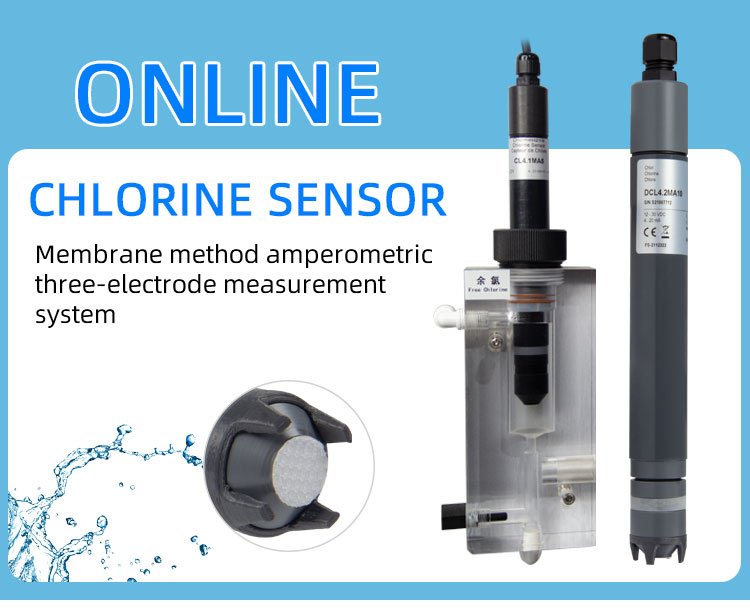
The term chlorsonde is unusual, and its exact meaning is not immediately clear from the word alone. It may refer to a specialized product, a technical instrument, a scientific concept, a brand name, or a term used within a particular industry. Understanding its context is important before drawing conclusions about its purpose, functions, or practical applications.
In today’s information-driven world, unfamiliar terms often appear in online searches, technical documents, product listings, and specialized discussions. Some are associated with established technologies, while others may be emerging names or alternative spellings of better-known terms. Chlorsonde is an example of a keyword that deserves careful examination rather than assumptions based solely on how it sounds.
This guide explores how to approach the term chlorsonde, why context matters when researching unfamiliar terminology, and how to evaluate information associated with it. The aim is to provide a readable, informative overview without presenting unverified claims as established facts.
What Is Chlorsonde?
At present, the exact definition of chlorsonde cannot be established confidently from the term alone. The word may be a product name, a specialized technical expression, a spelling variation, or a keyword used by a particular website or organization. Identifying the original source of the term is the most reliable first step toward understanding what it represents.
The spelling may encourage readers to associate chlorsonde with chlorine, chemical monitoring, or scientific equipment. However, a resemblance between words does not prove that they share the same meaning. A responsible explanation must distinguish a possible interpretation from a verified definition, especially when chemistry, health, industrial equipment, or environmental monitoring may be involved.
To establish a dependable definition, readers should examine where the word appears, what other terms surround it, and whether an official manufacturer, scientific publication, technical manual, or recognized organization provides an explanation. These details can help determine whether chlorsonde has a specific established meaning or is simply a name used in a limited context.
The Possible Connection Between Chlorsonde and Chlorine Sensors
One documented use of the similar German term Chlorsonde is a chlorine sensor used in water-treatment and swimming-pool control systems. Technical manuals describe these probes as components that measure chlorine levels and communicate readings to a monitoring or control unit. This gives us a credible technical direction for understanding the keyword, although it does not establish that every use of the spelling “chlorsonde” refers to the same equipment.
poolcomet.com
+1
Chlorine sensors are important because chlorine is widely used to disinfect water. In swimming pools, for example, maintaining suitable chlorine levels helps control microorganisms and supports safe water management. A monitoring probe can provide information about the water’s condition, helping operators decide whether the treatment system needs adjustment.
The key distinction is that a sensor measures or estimates a particular water parameter, while a controller interprets that measurement and may operate a dosing pump. The probe itself does not necessarily add chlorine, remove contaminants, or guarantee that water is safe. Its performance depends on the sensor design, installation, calibration, and the condition of the water being tested.
How a Chlorsonde-Type Sensor Works
A chlorine-monitoring probe generally interacts with a water sample and produces a measurable response associated with chlorine concentration. Depending on the technology, that response may be converted into an electrical signal that a connected instrument interprets and displays. The exact operating principle varies by sensor model, so the manufacturer’s technical documentation is essential for understanding a particular device.
Some systems use amperometric measurement, in which an electrochemical response is related to the concentration of the substance being measured. Other monitoring arrangements may use different measurement methods. The instrument’s electronics process the signal and present a reading, often in units such as milligrams per liter (mg/L) or parts per million (ppm), depending on the application.
In an automated installation, the reading may also be sent to a controller. If the measured value moves outside the configured operating range, the controller can display an alert or adjust chemical dosing when the equipment is designed and configured to do so. These functions are not universal, and an automated reading should not be treated as infallible proof of water quality.
poolcomet.com
+1
Main Components of a Chlorine Monitoring System
The sensing probe
The probe is the component that responds to the relevant property of the water. Its construction may include sensing electrodes, a protective body, seals, and other parts that vary according to the technology. Some industrial chlorine probes use specialized electrode materials, which is why replacement components must match the equipment manufacturer’s specifications.
The sensing element is particularly important because it determines how the device responds to changes in the water. Deposits, wear, contamination, or incorrect handling may affect its performance. Regular inspection helps operators identify possible problems before they lead to unreliable readings or unnecessary chemical adjustments.
The measuring instrument and controller
The measuring instrument receives the sensor’s signal and converts it into a useful reading. Depending on the equipment, the display may show chlorine concentration, operating status, calibration information, and warning messages. Some advanced controllers also monitor additional parameters, such as pH and water temperature.
A controller can use the measured value to support automatic dosing, but its capabilities depend on the system design. Correct configuration matters because an incorrect target value, unsuitable operating settings, or a faulty signal can affect the way an automated treatment system behaves.
Water circulation and sampling equipment
Many monitoring installations depend on a reliable flow of water past the sensing element. This may involve a sample chamber, connecting pipes, valves, or a flow regulator. If water circulation becomes unstable, the sensor may not receive a representative sample, making its readings less useful.
Air bubbles, blocked passages, or inappropriate flow conditions can also interfere with certain sensor designs. Manufacturer instructions therefore commonly specify how the probe should be positioned and how the sample should move through the measuring assembly.
—
Common Applications of Chlorsonde-Type Technology
Swimming Pools and Recreational Facilities
Swimming pools are one of the clearest practical applications for chlorine-monitoring probes. Pool operators need to keep disinfectant levels within an appropriate range while accounting for changing conditions, including swimmer activity, sunlight, water temperature, and circulation. Continuous monitoring can help identify changes more quickly than occasional manual testing alone.
In larger pools, an automated monitoring system can reduce the amount of routine observation required from staff. It may display current readings, alert operators to unusual values, and support controlled chemical dosing. These features can improve consistency, provided the equipment is maintained and readings are checked against an appropriate reference method.
Smaller pools can benefit from monitoring technology as well, although the expense and maintenance requirements may not be justified for every installation. A manual test kit may be sufficient for some private pools when used correctly. The best approach depends on pool size, usage, applicable safety requirements, and the owner’s ability to maintain the equipment.
Water Treatment and Disinfection
Water-treatment facilities use monitoring equipment to help manage disinfection processes. Chlorine is commonly used because it can inactivate many harmful microorganisms when the treatment process is properly designed and operated. Monitoring helps technicians understand whether the process is operating as expected.
A chlorine probe can contribute to process control by providing information about chlorine levels at a particular measurement point. However, a single reading does not describe every aspect of water quality. Operators may also need to evaluate pH, turbidity, microbial indicators, and other parameters according to the type of facility and the applicable standards.
The position of the monitoring point matters, too. Water measured immediately after chemical dosing may have different characteristics from water measured farther along the treatment process. A reliable monitoring plan therefore considers where samples are taken, how quickly conditions change, and whether the sensor readings represent the water that actually needs to be assessed.
Commercial Buildings and Industrial Facilities
Hotels, sports centers, hospitals, and other commercial facilities may use automated water-monitoring systems for pools, cooling systems, or other processes where controlled disinfection is necessary. The exact requirements differ considerably between applications, so a probe designed for one installation should not automatically be assumed suitable for another.
Industrial facilities may require additional monitoring features, such as remote reporting, data logging, alarm outputs, or integration with a building-management system. These capabilities help staff track operating conditions and investigate unusual changes. They can also support maintenance planning by making it easier to identify recurring problems.
Despite these advantages, industrial monitoring systems require appropriate technical oversight. Staff need to understand the equipment’s measurement limits, chemical compatibility, and maintenance schedule. A well-designed installation combines suitable instrumentation with established procedures instead of relying entirely on automated readings.
Why Accurate Chlorine Measurement Matters
Accurate chlorine measurement supports better decisions about disinfection. If a monitoring device consistently reports values that are too low or too high, operators may respond inappropriately. Incorrect readings can lead to unnecessary chemical use, inadequate treatment, increased operating costs, or avoidable equipment problems.
Accuracy also matters for maintaining stable water conditions. Chlorine demand can change as contaminants enter the water or environmental conditions shift. Monitoring helps operators identify these changes, but the quality of the information depends on sensor condition, calibration, water circulation, and the measurement method being used.
It is equally important to understand that chlorine concentration is only one part of water safety. A suitable reading does not automatically establish that water is free from all harmful microorganisms or chemical contaminants. Responsible water management combines chlorine measurements with other relevant tests, appropriate operating procedures, and compliance with local requirements.
Chlorsonde Calibration and Maintenance
Why Calibration Is Important
Calibration helps align an instrument’s reading with an appropriate reference measurement. Over time, sensor performance can change because of normal wear, deposits, altered operating conditions, or other factors. If the instrument is not checked periodically, its display may gradually become less representative of the actual chlorine concentration.
The correct calibration procedure depends on the probe and controller. Some systems use a reference test to adjust the displayed value, while others require additional steps or specific calibration conditions. Technical manuals may also specify a stabilization period before calibration, particularly when water flow or chemical concentration has recently changed.
2019 11 06 DE web
+1
Calibration should never be performed by guessing a value or copying a reading from an unrelated instrument. Operators should follow the manufacturer’s instructions and use a suitable reference method. Where the application involves public health or regulated water treatment, documented verification procedures are especially important.
Cleaning and Routine Inspection
Routine inspection can help identify visible deposits, damaged components, loose connections, or problems with water flow. Some probes require specialized cleaning procedures, while others may be damaged by inappropriate cleaning solutions or rough handling. The manufacturer’s instructions should determine what is safe for the specific sensor.
Cleaning frequency depends on the water conditions and the sensor design. Water containing substantial minerals, suspended particles, or other deposits may require more frequent attention than a relatively clean sample. Nevertheless, cleaning too aggressively or too often can also shorten the life of sensitive components.
A useful maintenance routine includes checking the probe’s condition, reviewing unusual readings, confirming that the sample flow is appropriate, and recording relevant maintenance activities. These basic practices make it easier to distinguish a genuine change in chlorine concentration from a measurement problem.
Replacing Worn or Damaged Parts
Sensors have a finite service life, and some models contain replaceable sensing elements, seals, or other components. A device that repeatedly fails calibration or produces unstable readings may require more than routine cleaning. Before replacing it, technicians should also inspect the controller, wiring, sample flow, and other possible sources of error.
Compatibility is essential when selecting replacement parts. Differences in electrode material, electrical connections, measurement technology, or controller requirements can prevent an otherwise similar-looking component from functioning correctly. Product documentation and the manufacturer’s part numbers provide a more dependable basis for selection than appearance alone.
Replacing a probe may restore reliable measurement, but the replacement should be checked and commissioned according to the specified procedure. This includes confirming the correct installation, allowing the sensor to stabilize when required, and comparing its readings with a suitable reference measurement.
Common Problems and Troubleshooting
Unusually Low or High Readings
One common issue with chlorine-monitoring systems is a reading that appears inconsistent with manual test results. Possible explanations include a dirty sensing element, incorrect calibration, insufficient water flow, a damaged probe, or a problem with the measuring instrument. The displayed value alone usually cannot identify which cause is responsible.
A sensible first step is to verify the water measurement using a suitable reference test. The operator can then check whether the probe is clean, whether water is flowing correctly, and whether the instrument displays any diagnostic warnings. The manufacturer’s troubleshooting instructions should guide any further checks.
If the disagreement continues, the system should not simply be adjusted until the readings appear similar. An incorrect adjustment can hide a genuine fault and create additional problems. Where water safety is involved, use verified testing procedures and qualified technical support as necessary.
Unstable or Fluctuating Measurements
Fluctuating measurements can result from changes in the water itself, but they can also indicate a problem with the sensor or its surroundings. Variable sample flow, air bubbles, electrical interference, or deposits on the sensing element may affect some systems. It is important to identify whether the fluctuations reflect actual conditions or an unreliable measurement.
Operators can begin by reviewing the sensor installation and checking the recommended operating conditions. They should also consider whether recent changes to chemical dosing, circulation, or water treatment could explain the observed pattern. Comparing readings over time can help reveal whether the problem is occasional or persistent.
If the readings remain unstable after the recommended checks, a technician may need to examine the sensor, electrical connections, and controller settings. Replacing components without identifying the underlying cause can increase costs without solving the problem.
Sensor Alarms and Communication Errors
Automated controllers may display an alarm when a sensor becomes disconnected, produces an implausible signal, or reports a value outside a configured range. The meaning of each alarm depends on the equipment, so operators should consult the relevant manual rather than assume that every warning indicates the same problem.
An alarm related to a probe does not necessarily mean that chlorine concentration is too low or too high. It may indicate a measurement fault, a communication issue, a calibration problem, or another condition requiring attention. Checking the precise warning message helps narrow down the possibilities.
Until the cause has been identified, operators should follow the installation’s safety procedures and use an appropriate independent test where necessary. Automatic chemical dosing should not be assumed safe merely because the controller remains powered on. The system must be evaluated according to its design and the seriousness of the fault.
Benefits of Using Chlorine Monitoring Technology
One important benefit of continuous monitoring is that it provides more frequent information about changing water conditions. Manual testing remains useful, but it only describes the sample at the time it is taken. A properly installed sensor can help operators identify trends and investigate unexpected changes between routine tests.
Automation can also improve operational consistency. When a monitoring system is connected to a suitable controller, it may support more controlled dosing and reduce the need for repeated manual adjustments. Depending on the installation, data logging and alarms can make it easier to review past conditions and plan maintenance.
Another advantage is the opportunity to identify equipment problems earlier. Unusual measurements, repeated alarms, or a growing difference between sensor readings and reference tests may indicate that the system needs attention. Early investigation can reduce unnecessary chemical use and prevent small maintenance issues from becoming larger operational problems.
Limitations of Chlorsonde-Type Sensors
Despite their usefulness, chlorine sensors are not perfect. Their performance depends on the measurement technology, the condition of the sensing element, the composition of the water, and the way the instrument is installed and maintained. A sensor suitable for one type of water may not perform appropriately in a different application.
Another limitation is that chlorine readings do not reveal every potential water-quality issue. For example, a chlorine sensor does not automatically identify all bacteria, viruses, chemical contaminants, or physical impurities. Additional testing and treatment controls may be necessary, depending on the intended use of the water.
Finally, monitoring equipment can create a false sense of security if its readings are accepted without verification. A functioning display does not necessarily mean that the probe is accurate, and a connected controller does not guarantee that chemical dosing is working properly. Reliable results require maintenance, reference testing, sensible operating procedures, and appropriate professional oversight.
How to Choose the Right Chlorine Probe
Choosing a suitable chlorine probe begins with identifying the application. A device intended for a swimming pool may have different requirements from one used in a drinking-water facility or an industrial treatment process. The water chemistry, expected chlorine concentration, operating temperature, and required measurement range should all be considered.
The second consideration is compatibility. Buyers should confirm that the probe works with the existing controller, uses the correct connection type, and supports the intended measurement method. They should also check the manufacturer’s recommendations for installation, calibration, cleaning, replacement parts, and expected service life.
Cost is important, but the cheapest option is not always the most economical over time. A lower-priced probe may require more maintenance, offer fewer diagnostic features, or be difficult to replace. Comparing total ownership costs, technical support, documentation, and the availability of compatible parts can lead to a better long-term decision.
Safety Considerations When Using Chlorine Monitoring Equipment
Safety should remain a priority whenever chlorine-monitoring equipment is used alongside chemical treatment systems. Chlorine products can be hazardous when handled incorrectly, and concentrated chemicals may cause burns, respiratory irritation, or other injuries. Anyone responsible for chemical handling should follow the product label, safety data sheet, and workplace procedures.
Electrical safety is also important when probes are installed in wet environments. Installation, wiring, and servicing should follow the manufacturer’s instructions and applicable electrical standards. Equipment should not be opened or repaired while energized unless the procedure is specifically designed for that work and performed by qualified personnel.
Most importantly, a monitoring probe should be treated as one part of a broader safety system. Operators should not use a single sensor reading as the only basis for deciding whether water is safe. Appropriate testing, routine inspections, correct chemical handling, and compliance with applicable regulations remain essential.
Chlorsonde and the Future of Smart Water Monitoring
Water-monitoring technology continues to develop, with manufacturers increasingly offering digital controllers, remote monitoring, automated alerts, and data-recording capabilities. These features can help operators understand changes in water conditions without needing to remain beside the equipment throughout the day.
Connected monitoring systems can also make maintenance more organized. Historical readings may help technicians recognize recurring fluctuations, investigate unusual events, and identify equipment that needs inspection. However, these benefits depend on accurate sensors, reliable communication, and appropriate interpretation of the collected information.
Future improvements may make monitoring systems easier to install, maintain, and operate. Even so, advanced features cannot replace sound measurement practices. The most useful technology will be equipment that provides dependable readings, communicates faults clearly, and supports informed decisions about water treatment.
Frequently Asked Questions About Chlorsonde
What does chlorsonde mean?
Chlorsonde appears to be a spelling associated with the German technical term Chlorsonde, meaning a chlorine probe or chlorine sensor. In relevant technical documents, such probes are used to monitor chlorine levels in water-treatment systems. The exact meaning of the keyword in a particular context should still be verified.
Is a chlorsonde a chlorine sensor?
If the term is being used in the same sense as the German word Chlorsonde, then yes, it refers to a chlorine-monitoring probe. The specific sensor technology and capabilities depend on the model and application. Not every chlorine probe measures chlorine in exactly the same way.
Where are chlorine probes used?
Chlorine probes are used in applications such as swimming-pool monitoring, water treatment, and certain industrial processes. They provide information that helps operators manage disinfection. The appropriate equipment depends on the water conditions and the requirements of the installation.
Does a chlorsonde automatically add chlorine to water?
Not necessarily. A probe measures a relevant water parameter, while a separate controller and dosing system may use that measurement to regulate chemical addition. Automatic dosing is possible only when the components are designed and configured to work together.
How often should a chlorine probe be calibrated?
There is no single calibration schedule suitable for every model. The recommended interval depends on the manufacturer’s instructions, the sensor technology, the operating conditions, and the importance of measurement accuracy. Reference testing and calibration should be performed according to the applicable procedure.
Why might a chlorine probe display incorrect readings?
Possible causes include contamination, calibration errors, insufficient water flow, worn sensing components, electrical problems, or unsuitable operating conditions. Comparing the reading with an appropriate reference test and following the manufacturer’s troubleshooting instructions can help identify the cause.
Can a chlorine sensor guarantee safe drinking water?
No. Chlorine monitoring provides useful information about one aspect of water quality, but it cannot establish that water is safe in every respect. Drinking-water safety requires appropriate treatment, testing, and compliance with applicable standards.
How can someone identify the correct chlorsonde product?
The best approach is to locate the original product listing, manufacturer, equipment model, or technical document in which the term appears. Checking specifications and compatibility information helps prevent confusion between similar products and unrelated terminology.
Conclusion
Chlorsonde is a keyword whose most clearly supported technical interpretation is connected to chlorine-monitoring probes, particularly through the German term Chlorsonde. These devices can help monitor water conditions, support disinfection processes, and provide information for automated treatment systems. Their usefulness depends on choosing the right equipment and maintaining it correctly. Understanding the distinction between a sensor, a controller, and a dosing system is essential when evaluating this technology. Each component has a different role, and reliable water management requires them to function together under suitable operating conditions. Calibration, cleaning, reference testing, and proper troubleshooting all contribute to dependable results.
