
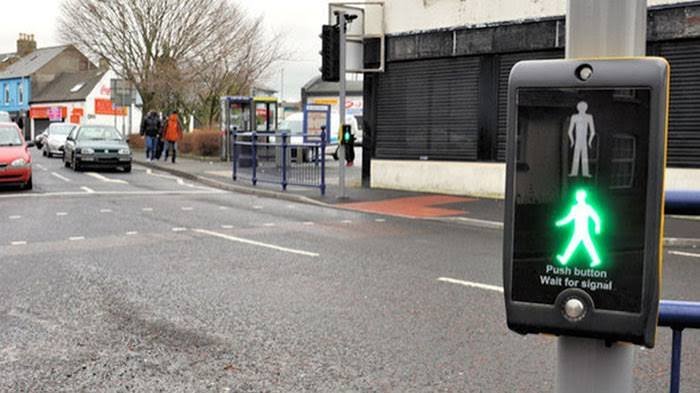
A puffin crossing is a type of pedestrian crossing designed to help people cross roads safely and conveniently. It is commonly found in the United Kingdom, where it plays an important role in managing traffic and protecting pedestrians. The name may sound unusual at first, but it comes from the phrase Pedestrian User-Friendly Intelligent Crossing. This name reflects the crossing’s main purpose: making road crossings safer through intelligent technology and pedestrian-focused signals.
Unlike some traditional pedestrian crossings, a puffin crossing uses sensors to detect pedestrians waiting to cross and, in many installations, to monitor whether they are still crossing the road. This information helps the traffic signal system respond to real conditions rather than relying entirely on a fixed timer. The result is a crossing that can manage pedestrian movements more effectively while helping vehicles move when it is safe to do so.
Understanding how a puffin crossing works is useful for drivers, pedestrians, cyclists, parents, and anyone learning road safety rules. Recognizing its signals can prevent confusion and reduce the risk of accidents. Whether you are preparing for a driving test or simply want to understand different types of pedestrian crossings, learning about this system can help you make better decisions on the road.
What Is a Puffin Crossing?
A puffin crossing is a signal-controlled pedestrian crossing that uses traffic lights and pedestrian detection technology. Its purpose is to provide a controlled opportunity for people to cross a road while coordinating the movement of vehicles. These crossings are particularly useful on busy streets where pedestrians need a clear and reliable way to cross.
The most recognizable feature of a puffin crossing is its pedestrian signal arrangement. The red and green pedestrian figures are generally located on the same side of the road as the person waiting to cross. This allows pedestrians to look at the signal without needing to turn their attention toward a display on the opposite side of the road. The arrangement can make it easier to notice when the crossing is ready for use.
Another important feature is the use of sensors. Depending on the installation, these sensors can detect people waiting at the crossing and monitor pedestrian movement. The traffic control system uses this information to manage the timing of the signals. Although the technology helps improve safety and efficiency, pedestrians must still check the road carefully and follow the signals.
What Does the Word Puffin Mean?
The word puffin in this context is an acronym rather than a reference to the seabird of the same name. It stands for Pedestrian User-Friendly Intelligent Crossing. Each part of the name describes an aspect of the system’s design and purpose.
The word pedestrian highlights the people the crossing is designed to protect. Pedestrians include individuals walking to work, children going to school, older adults, people carrying shopping bags, and people with disabilities. A well-designed crossing must consider the needs of different users and provide a safe opportunity to travel across the road.
The terms user-friendly and intelligent describe the combination of accessible signal placement and sensor-based control. The system is intended to respond to pedestrian activity and provide information in a way that is easier to understand. However, the acronym does not mean that a puffin crossing can eliminate every road risk. Its technology supports safer behavior, while drivers and pedestrians remain responsible for following road rules.
How Does a Puffin Crossing Work?
A puffin crossing operates through a coordinated system of traffic lights, pedestrian signals, detectors, and electronic controls. The exact equipment can vary between locations, but the basic process follows a clear sequence. The system detects pedestrian demand, provides a suitable signal phase, and coordinates traffic movement so that people can cross safely.
When someone approaches the crossing, a detector may identify their presence at the waiting area. The pedestrian then uses the push button where one is provided. Depending on the design, the crossing’s detection system can register the request and prepare to change the traffic lights. Pressing the button does not usually mean that the pedestrian signal will turn green immediately, so patience is important.
When the crossing phase begins, vehicle traffic is stopped by the appropriate traffic signals, and the pedestrian signal displays the instruction to cross. Detection equipment can help determine whether pedestrians are still using the crossing. The control system may use this information when managing the end of the pedestrian phase, within the limits of its programmed safety arrangements.
After the pedestrian phase ends, the vehicle signals can return to a phase that permits traffic to move. Drivers must always obey the signals and check that the crossing is clear before proceeding when permitted. Pedestrians should also complete their crossing safely and avoid stepping back into traffic because they assume the signal will remain favorable.
Main Features of a Puffin Crossing
Puffin crossings combine several features to make pedestrian movement easier to manage. These features are designed to improve the relationship between pedestrian demand, crossing time, and traffic control. Not every crossing has identical equipment, but the main principles remain similar.
One of the most recognizable features is the pedestrian signal located on the near side of the road. Because the signal is close to the waiting area, people can watch it while remaining in a comfortable position. This can be especially useful for pedestrians who find it difficult to look across a busy road or interpret signals at a distance.
Another key feature is pedestrian detection. Sensors can identify waiting pedestrians and, in suitable installations, monitor movement across the crossing. This allows the controller to respond to actual pedestrian activity. The system may also help prevent unnecessary pedestrian phases when a person has left the waiting area before the crossing begins.
Traffic signal coordination is another important element. The crossing needs to provide a safe opportunity for pedestrians without causing unnecessary disruption to road traffic. Intelligent control helps manage this balance. However, traffic efficiency should never be understood as permission to reduce safety requirements or encourage pedestrians to rush across the road.
Understanding Puffin Crossing Signals
Knowing what the signals mean is essential for using a puffin crossing correctly. Pedestrian signals provide instructions about when to cross and when to wait. Drivers receive their own instructions through the vehicle traffic lights, which control whether they may proceed.
The red pedestrian figure means that pedestrians must wait and should not begin crossing. Even if the road appears empty, starting to cross against the signal can be dangerous. Traffic may approach quickly, and a driver may have a green signal or may not expect someone to enter the road.
The green pedestrian figure indicates that pedestrians may begin crossing, provided the crossing is safe to enter. Before stepping onto the road, look in both directions and check for vehicles that may be turning or otherwise creating a hazard. Once you have started crossing, continue at a steady pace without unnecessary stopping.
When the pedestrian signal changes from green to red, the instruction is to stop entering the crossing. People who are already crossing should continue safely to the other side rather than suddenly turning back. The exact signal sequence and timing depend on the installation, so road users should follow the displayed signals and applicable local rules.
Puffin Crossing vs. Pelican Crossing
Puffin and pelican crossings are both signal-controlled pedestrian crossings used in the United Kingdom. Although they share the same general purpose, they differ in how pedestrian signals are arranged and how crossing time is managed.
A traditional pelican crossing typically places pedestrian signals on the far side of the road. It also commonly uses a flashing amber phase for drivers after the pedestrian green phase, during which drivers may proceed only when the crossing is clear. A puffin crossing generally uses near-side pedestrian signals and sensor-based control instead.
Another difference concerns the way the crossing responds to pedestrians. A conventional pelican crossing generally relies on a predetermined sequence of signal timings, whereas a puffin crossing can use detectors to monitor pedestrian demand and activity. This can help the system manage crossing periods more intelligently, depending on the equipment installed.
Neither design should be treated as universally suitable for every road. Traffic levels, road width, pedestrian demand, accessibility requirements, and local engineering standards all influence which crossing type is appropriate. Both types can contribute to road safety when correctly installed, maintained, and used.
Puffin Crossing vs. Toucan Crossing
A toucan crossing is another type of signal-controlled crossing, but it is designed for both pedestrians and cyclists. The name is commonly explained as a play on the phrase “two can cross.” This distinguishes it from a standard puffin crossing, which is primarily intended for pedestrians.
At a toucan crossing, cyclists are generally permitted to ride across when the cycle signal allows them to do so. This makes the design useful on routes where walking and cycling facilities meet a road. The crossing can support shared travel while helping organize movements between different road users.
A puffin crossing, by contrast, focuses on pedestrian movements. It normally does not provide the same shared pedestrian-and-cycle arrangement as a toucan crossing. Cyclists should therefore pay attention to the signs, markings, and signals at the specific location instead of assuming that every signal-controlled crossing permits cycling.
The two crossing types serve different transport needs. A local authority may select one based on the presence of cycle routes, pedestrian demand, road conditions, and the available space. Understanding the distinction helps people choose the correct way to cross and avoid creating conflicts with other road users.
Puffin Crossing vs. Zebra Crossing
A zebra crossing is usually identified by black-and-white road markings and flashing amber beacons, where fitted. Unlike a puffin crossing, it does not normally use pedestrian traffic lights to control when people may cross. Instead, drivers must follow the applicable rules governing pedestrians at the crossing.
At a zebra crossing, pedestrians should approach carefully, check the traffic, and make their intention to cross clear. Drivers must give way to pedestrians who are on the crossing, in accordance with UK road rules. Pedestrians should not assume that every approaching driver has seen them or will stop in time.
A puffin crossing offers a different level of control because traffic signals regulate the movement of vehicles and pedestrians. Its detectors can also help the signal system respond to people using the crossing. This can be advantageous on busy roads where a clearly controlled crossing phase is needed.
The best choice depends on the surrounding environment. Zebra crossings may suit locations where traffic conditions allow pedestrians to cross with minimal delay, while signal-controlled crossings can be more appropriate where traffic volumes, road layouts, or pedestrian requirements call for additional control.
Why Are Puffin Crossings Important for Road Safety?
Pedestrian safety is a major concern in areas with heavy traffic. People walking near moving vehicles are vulnerable because they have little physical protection if a collision occurs. A properly designed crossing provides a more organized way for pedestrians and drivers to share the road.
Puffin crossings help by creating a controlled period during which pedestrians can cross while vehicle traffic is stopped by the signals. This reduces the need for pedestrians to judge gaps in moving traffic themselves. The near-side signal arrangement also makes the pedestrian instructions easier to view from the waiting area.
Sensor technology can provide additional benefits by detecting pedestrian activity. For example, a system may recognize that someone is still crossing and use that information in managing the signal phase. This is particularly valuable when pedestrians need more time, although the performance depends on the installation and its settings.
Despite these benefits, no crossing is completely risk-free. Drivers may fail to obey traffic lights, and pedestrians may enter the road without checking for turning vehicles. Good road design, regular maintenance, public awareness, and responsible behavior are all necessary for a crossing to work effectively.
How to Use a Puffin Crossing Correctly
Using a puffin crossing is straightforward when you follow a few basic steps. First, approach the crossing carefully and stop at the designated waiting area. Look at the traffic and identify the pedestrian signal so that you understand the current instruction.
If the crossing has a push button, press it once and wait for the signal. There is generally no benefit in repeatedly pressing the button. The controller needs time to register the request and coordinate the traffic lights. While waiting, stay on the pavement rather than stepping into the road to check whether traffic is stopping.
When the green pedestrian figure appears, check the road before starting to cross. Look for turning vehicles, emergency vehicles, or other hazards that could affect your route. Begin crossing only when it is safe, and walk steadily toward the opposite pavement.
If the pedestrian signal turns red after you have started crossing, continue to the other side safely. Do not turn around suddenly or stop in the middle of the road without a good reason. Once you reach the pavement, move clear of the crossing so other pedestrians can use it comfortably.
How Drivers Should Approach a Puffin Crossing
Drivers have an important responsibility to keep pedestrian crossings safe. When approaching a puffin crossing, reduce your speed when appropriate and pay attention to the traffic lights, pedestrians, and road conditions. Avoid distractions that could prevent you from noticing a change in the signal.
A red vehicle traffic light means that you must stop at the appropriate stopping line. Do not cross the line or attempt to squeeze through before the signal changes. Even if you cannot see pedestrians, the signal must still be obeyed because the crossing may be serving someone outside your immediate field of vision.
When the vehicle signal permits movement, check that it is safe to proceed. Pay particular attention to people who may still be finishing their crossing, pedestrians who move slowly, and anyone who may be obscured by a vehicle in another lane. Turning drivers should also watch for pedestrians who are crossing the road they intend to enter.
Never accelerate toward a crossing in the hope of passing before the lights change. Maintain a safe following distance and avoid blocking the crossing during traffic congestion. These habits protect pedestrians and make the road more predictable for everyone.
Puffin Crossings and Accessibility
Accessibility is an important consideration in modern road design. Pedestrians have different physical abilities, levels of confidence, and mobility needs. A crossing should therefore provide clear information and enough support for people to use it as safely as possible.
The near-side pedestrian signal can be helpful because people do not need to look across the road to see the signal. This may be more comfortable for individuals who have difficulty turning their heads or maintaining a view of distant displays. It can also help people remain focused on the crossing environment while waiting.
Detection technology can support the management of pedestrian crossing time, but it does not automatically guarantee that every person will receive exactly the time they need. Equipment must be appropriately configured and maintained, and the overall crossing design must account for people with different walking speeds and mobility requirements.
Other accessibility features may include tactile paving, suitable kerb arrangements, audible signals, tactile indicators, and appropriate waiting areas. These features vary by location and design standard. People who need additional assistance should familiarize themselves with the crossing layout and use available accessibility facilities where provided.
Common Mistakes People Make at Puffin Crossings
One common mistake is assuming that a crossing is safe simply because it has traffic lights. Signals help coordinate road movements, but pedestrians still need to check their surroundings. Turning vehicles, drivers who ignore red lights, and unexpected hazards can create risks even at a controlled crossing.
Another mistake is stepping onto the road before the green pedestrian figure appears. Some people become impatient when traffic is heavy or the wait seems long. However, entering the road against the signal can put them directly in the path of approaching vehicles. Waiting in the designated area is the safer choice.
Drivers also make mistakes when they focus only on the vehicle signal without checking the crossing area. They may overlook someone who is still crossing or fail to notice a pedestrian who has moved slowly across the road. Drivers should remain alert even when the lights change to permit traffic movement.
A further mistake is assuming that pressing the push button guarantees an immediate green signal. The system must coordinate different traffic movements, so some waiting is normal. Repeatedly pressing the button or moving away from the waiting area can create confusion, particularly where the installation relies on pedestrian detection.
Puffin Crossings Near Schools and Busy Streets
Puffin crossings can be useful near schools because children may have less experience judging vehicle speeds and traffic gaps. A controlled crossing gives them a clear instruction to follow and helps separate pedestrian movements from vehicle movements during the crossing phase.
However, the presence of a crossing does not remove the need for supervision and road safety education. Younger children should learn to stop, look, listen, and follow the pedestrian signal. Adults accompanying children should demonstrate safe behavior rather than stepping into the road before the signal permits crossing.
Busy shopping streets and town centers can also benefit from controlled crossings. These locations often have frequent pedestrian movements, turning vehicles, buses, delivery vehicles, and parked cars that may affect visibility. A puffin crossing can help organize movement in areas where people need to cross regularly.
Local authorities must still assess each location individually. Factors such as vehicle speed, road width, visibility, traffic volume, nearby junctions, and pedestrian demand influence whether a puffin crossing is suitable. A well-planned installation should fit into the wider road layout rather than operate as an isolated safety measure.
The Role of Sensors in Puffin Crossings
Sensors are central to the intelligent operation of a puffin crossing. They provide information about pedestrian activity so the traffic signal controller can respond to the conditions detected at the crossing. Different installations may use different types of detection equipment, depending on their age and technical design.
Waiting-area detection can identify when someone is requesting to cross. This helps the system register pedestrian demand and arrange an appropriate signal phase. In some circumstances, detection can also identify when a person has left the waiting area before the crossing phase begins, helping avoid unnecessary delays.
Crossing-area detection can monitor pedestrian movement while people are using the road. This information may help the controller manage the pedestrian phase according to the installation’s operating rules. The goal is to coordinate traffic efficiently without compromising the safety provisions built into the signal system.
Sensors are not infallible, however. Their performance depends on correct installation, calibration, maintenance, and the surrounding environment. Road users should never assume that a detector will automatically prevent every unsafe situation. The safest approach is to follow the displayed signals and remain aware of nearby traffic.
Maintenance and Reliability of Puffin Crossings
Like any road infrastructure, a puffin crossing needs regular inspection and maintenance. Traffic lights, pedestrian signals, push buttons, sensors, wiring, and control equipment must work correctly for the crossing to provide reliable service. Faulty components can cause confusion and may create safety risks.
Maintenance teams may inspect signal heads, check detector performance, test electrical systems, and ensure that road markings and waiting areas remain in suitable condition. They may also investigate reports from pedestrians or drivers who notice that a crossing is not operating as expected.
Environmental conditions can affect equipment. Heavy rain, dirt, physical damage, electrical faults, and ageing components may interfere with the operation of some installations. Modern systems are designed to work in outdoor conditions, but regular maintenance is still essential for long-term reliability.
If a puffin crossing appears faulty, road users should not assume that the signals will behave normally. Follow any official instructions provided at the location, use extra caution, and report the problem to the relevant local authority or road-maintenance service. Never attempt to repair or interfere with traffic signal equipment yourself.
Advantages of Puffin Crossings
One major advantage of puffin crossings is their ability to use detection technology to respond to pedestrian activity. Instead of relying entirely on a rigid sequence, the system can use information from sensors to manage certain aspects of the crossing phase. This can make the operation more responsive to real conditions.
The near-side pedestrian signals are another benefit. Pedestrians can see the signal close to where they are waiting, which can reduce the need to look toward the opposite side of the road. This design is a recognizable feature that distinguishes puffin crossings from traditional pelican crossings.
Puffin crossings can also support safer traffic management in locations where pedestrian demand is high. By controlling the signals, they provide a defined opportunity for pedestrians to cross without needing to negotiate moving traffic directly. This is especially helpful on roads where gaps in traffic are difficult to judge.
Another advantage is their potential to reduce unnecessary delays when detection equipment is able to recognize changes in pedestrian demand. However, actual performance depends on the traffic conditions, equipment, signal programming, and local road design. A crossing’s benefits should be evaluated in the context of its specific location.
Disadvantages and Limitations of Puffin Crossings
Although puffin crossings offer several benefits, they also have limitations. One is the cost of installation and maintenance. Signal heads, detectors, control systems, and associated infrastructure require funding, technical expertise, and ongoing attention from the responsible authority.
Another limitation is that some pedestrians may find the operation confusing at first. People who are familiar with zebra or pelican crossings may not immediately recognize the near-side signals or understand why the crossing does not change as soon as they press the button. Clear information and public awareness can help address this issue.
Sensor-based systems also depend on functioning equipment. A detector that is damaged, poorly adjusted, or affected by unusual conditions may not perform as intended. Although maintenance procedures help reduce these problems, no electronic system can guarantee perfect detection under every circumstance.
Finally, a puffin crossing may not be the best option for every road. Some locations may be better served by another crossing type, a pedestrian refuge, a redesigned junction, or a broader traffic-calming scheme. Engineers must assess the risks and needs of each site before choosing an appropriate solution.
Are Puffin Crossings Better Than Other Crossings?
Whether a puffin crossing is better than another type depends on the location and the people using it. Its near-side signals and detection technology offer advantages, particularly where pedestrian activity changes throughout the day. These features can help make the crossing more responsive and convenient.
A pelican crossing may still be familiar to people who have used older UK road infrastructure for many years. A zebra crossing may be suitable where traffic conditions allow pedestrians to cross under the relevant priority rules without a full traffic signal sequence. A toucan crossing can be more appropriate where pedestrians and cyclists need to cross together.
The comparison should also consider accessibility, traffic speed, pedestrian numbers, maintenance budgets, and the availability of safe waiting areas. A crossing that works well on a quiet local road may not be suitable for a wide, busy multi-lane road.
The most effective solution is the one that addresses the specific risks at a location. Crossing type alone cannot guarantee safety. Proper placement, clear visibility, correct signal timing, suitable road markings, regular maintenance, and responsible road-user behavior all contribute to a successful design.
Puffin Crossings and Modern Road Technology
Modern road systems increasingly use technology to improve safety and coordinate traffic. Puffin crossings are one example of how sensors and electronic controllers can be used to respond to the movements of people on the road. Rather than relying only on fixed signal timings, the system can take account of detected pedestrian activity.
The broader development of intelligent transport systems includes adaptive traffic signals, vehicle detection, traffic monitoring, and tools for analyzing road conditions. These technologies aim to help transport authorities understand how roads are used and manage traffic more effectively.
Future developments may improve the reliability of pedestrian detection and the integration of crossing systems with wider traffic-management networks. However, any technological improvement must be evaluated for safety, reliability, accessibility, and privacy where relevant. More technology does not automatically mean better road design.
The core purpose of a puffin crossing remains simple: provide a safe, understandable opportunity for pedestrians to cross the road. Technology supports that purpose, but the system must still be designed around real people and the conditions they face.
How to Teach Children About Puffin Crossings
Teaching children how to use a puffin crossing can help establish safe habits from an early age. Start by explaining the meaning of the red and green pedestrian figures. Children should understand that red means wait and that they must not begin crossing until the signal allows them to do so.
Next, demonstrate the correct way to approach the crossing. Walk to the waiting area, press the button if one is provided, and wait behind the kerb. Explain that the signal may take time to change because the traffic lights must coordinate the crossing phase.
When the green pedestrian figure appears, encourage children to look carefully for traffic before stepping onto the road. Explain that vehicles may turn into the road they are crossing and that drivers do not always behave as expected. Adults should model this behavior every time they cross with children.
Children should also learn what to do if the pedestrian signal changes after they have started crossing. They should continue safely to the opposite pavement rather than turn around or run back. Regular practice with an adult can help them become more confident while reinforcing the importance of attention and patience.
Frequently Asked Questions About Puffin Crossings
What is a puffin crossing used for?
A puffin crossing is used to help pedestrians cross roads safely at a signal-controlled location. It coordinates pedestrian movements with vehicle traffic and commonly uses sensors to detect waiting pedestrians and monitor crossing activity.
Its main purpose is to provide a controlled crossing opportunity, particularly where traffic conditions make it difficult for pedestrians to cross safely without assistance. The system also aims to make signal use more convenient through its near-side pedestrian displays.
Why is it called a puffin crossing?
Puffin stands for Pedestrian User-Friendly Intelligent Crossing. The name describes a crossing designed around pedestrian needs and supported by intelligent detection technology.
The acronym is unrelated to the seabird, although the shared word makes it memorable. It is one of several distinctive names used for pedestrian crossings in the United Kingdom.
What is the main difference between a puffin and a pelican crossing?
The main differences involve signal placement and control. Puffin crossings generally display pedestrian signals on the near side of the road and use detection technology to help manage pedestrian activity. Traditional pelican crossings typically display pedestrian signals on the far side and use a different signal sequence, including a flashing amber phase for drivers.
These differences affect how pedestrians interpret the signals and how the crossing manages traffic. Users should follow the actual signals at their location.
Do you have to press a button at a puffin crossing?
Many puffin crossings have a push button that pedestrians use to request a crossing phase. After pressing it, pedestrians should wait for the appropriate signal rather than stepping into the road.
The detector arrangement can vary, and some equipment may register pedestrian presence automatically. Regardless of the setup, users should follow the displayed instructions and remain in the designated waiting area until it is safe to cross.
Can you cross when the pedestrian signal is red?
You should not begin crossing when the red pedestrian figure is displayed. Wait until the signal permits you to cross and then check that the road is safe before stepping onto it.
If you are already crossing when the signal changes, continue safely to the other side rather than suddenly turning back. Drivers must also follow their traffic lights and remain alert to pedestrians who are still completing the crossing.
Are puffin crossings suitable for people with disabilities?
Puffin crossings can offer useful features, including near-side signals and detection technology that helps manage pedestrian activity. These features may make the crossing easier to use for some people with mobility or accessibility needs.
However, accessibility depends on the complete design, including tactile paving, kerb arrangements, signal facilities, waiting space, and crossing timing. The presence of a puffin crossing alone does not guarantee that every individual requirement has been met.
Are puffin crossings found outside the UK?
Puffin crossings are most closely associated with the United Kingdom’s road system and terminology. Other countries use different names, signal arrangements, and pedestrian detection technologies.
Although similar technology may exist elsewhere, the exact term and standard design are not universal. Anyone driving or walking in another country should learn the local pedestrian signal rules rather than assume that every crossing works in the same way.
Do puffin crossings reduce traffic delays?
They can help manage traffic more efficiently by using pedestrian detection to respond to demand. For example, the system may be able to avoid an unnecessary pedestrian phase when the waiting area is no longer occupied, depending on the installation.
However, the actual effect on traffic depends on pedestrian numbers, vehicle volumes, road layout, and signal programming. The primary purpose remains pedestrian safety, not simply reducing delays for drivers.
Conclusion
A puffin crossing is an important example of how road engineering and intelligent technology can work together to improve pedestrian safety. Its near-side pedestrian signals and detection equipment distinguish it from traditional crossings, while its controlled signal phases provide an organized opportunity for people to cross busy roads. For pedestrians, the most important habits are to wait for the correct signal, check the road before crossing, and continue safely to the opposite pavement once the crossing has begun. Drivers should obey traffic lights, approach crossings attentively, and watch for pedestrians who may still be crossing.
