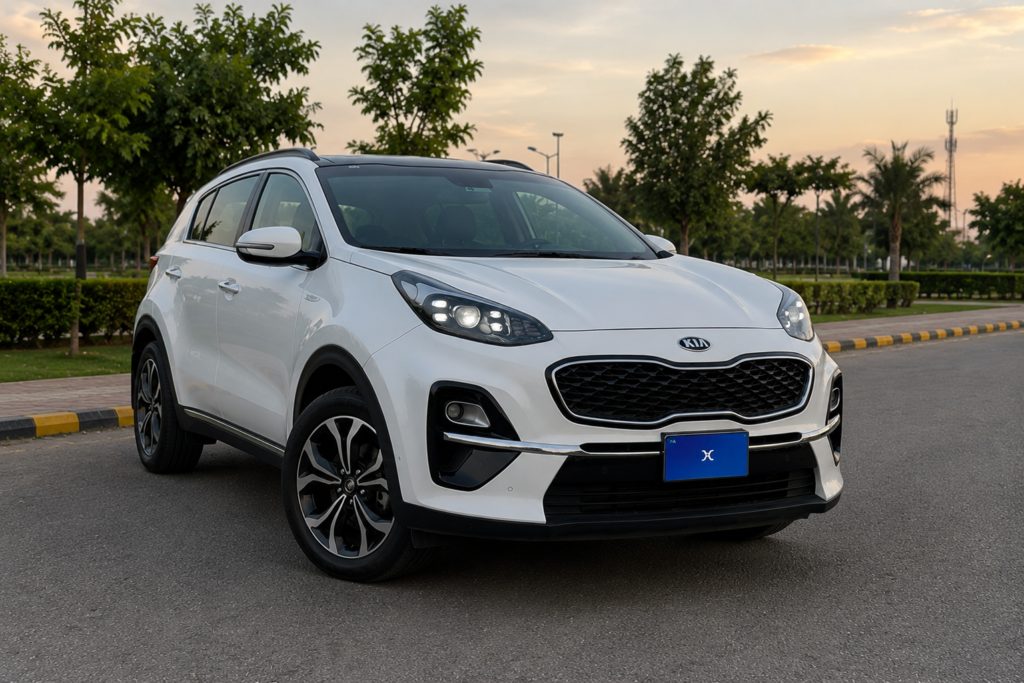
Buying a vehicle is a major financial decision, and for many people, used cars offer a practical alternative to purchasing something brand new. A pre-owned vehicle can provide reliable transportation, useful features, and excellent value without requiring buyers to pay the higher price associated with a new model. Whether you are a first-time buyer, a student, a family driver, or simply someone looking to save money, the used car market offers plenty of possibilities.
However, buying used cars requires more research than simply choosing a vehicle that looks good in an advertisement. A car may appear clean and attractive while hiding mechanical problems, accident history, expensive maintenance needs, or paperwork issues. That is why smart buyers take their time, compare options, inspect vehicles carefully, and ask the right questions before making a final decision.
The good news is that purchasing a pre-owned vehicle does not have to be stressful. With proper planning, a realistic budget, and a clear understanding of what to check, you can significantly reduce the risks involved. This detailed guide explains how to find, inspect, compare, negotiate, finance, and maintain used cars so you can make a confident and informed decision.
Why Used Cars Are a Popular Choice
One of the biggest reasons people choose used cars is affordability. New vehicles can lose a noticeable portion of their value during their early years, while buyers of pre-owned vehicles may be able to purchase a similar model at a considerably lower price. This makes used cars attractive to people who want reliable transportation without stretching their budget too far.
A lower purchase price can also create opportunities to buy a better-equipped vehicle. For example, the budget required for a basic new car might be enough to purchase a higher-trim used vehicle with additional comfort, safety, or technology features. Buyers may find leather seats, advanced driver assistance systems, larger infotainment screens, and other features that would cost much more on a brand-new model.
Another advantage is the wide variety available in the used car market. Buyers can compare vehicles from different years, manufacturers, price ranges, and body styles. Instead of being limited to the latest models available at dealerships, shoppers can explore sedans, hatchbacks, SUVs, trucks, hybrids, and other vehicles from previous years.
Of course, affordability should never be the only factor. The cheapest car is not always the best deal if it requires frequent repairs or has serious hidden problems. The goal is to find a vehicle that offers a good balance between purchase price, reliability, maintenance costs, fuel economy, and long-term value.
Understanding the Used Car Market
The market for used cars is diverse. Vehicles can be purchased from franchised dealerships, independent dealers, online platforms, auctions, and private sellers. Each option has advantages and disadvantages, and the right choice depends on your budget, experience, and level of comfort with the buying process.
Dealerships may offer a more structured purchasing experience. Some dealers inspect vehicles before selling them and may provide limited warranties or service packages. However, dealership prices can sometimes be higher because of overhead costs and additional services.
Private sellers may offer lower prices, but buyers often need to handle more of the research themselves. The vehicle may be sold without a warranty, and it becomes especially important to verify ownership documents, service history, and the vehicle’s overall condition before completing the transaction.
The condition of the used car market can also change over time. Prices are influenced by supply, demand, fuel costs, interest rates, consumer preferences, and the availability of new vehicles. Because conditions vary, comparing several similar vehicles can help you understand whether a particular asking price is reasonable.
Setting a Realistic Budget Before Shopping
Before looking at used cars, decide how much you can comfortably afford to spend. It is tempting to focus only on the purchase price, but owning a vehicle involves additional expenses. Insurance, registration, fuel, maintenance, repairs, parking, and financing costs can all affect your overall budget.
If you are paying with savings, avoid spending every available amount on the vehicle itself. Older cars may require maintenance soon after purchase, even if they appear to be in good condition. Keeping some money aside for unexpected repairs is usually a sensible approach.
If you plan to finance the vehicle, calculate the total cost rather than looking only at the monthly payment. A longer loan period may reduce the monthly amount but could increase the total interest paid over time. Understanding the full financial commitment is important before signing any agreement.
A realistic budget also helps you narrow your search. Instead of looking at hundreds of different vehicles, you can focus on cars that fit your price range and needs. This saves time and makes it easier to compare similar options.
Choosing the Right Type of Used Car
The best used car depends on how you plan to use it. A compact sedan may be perfect for one person who mainly drives in the city, while a family with children may need an SUV or minivan with more passenger and cargo space.
Think about your daily driving habits. Consider how far you travel, the type of roads you use, how many passengers you usually carry, and how much luggage space you need. A vehicle that looks impressive may not necessarily be practical for your lifestyle.
Fuel efficiency is another important consideration. A larger engine or heavy vehicle may use more fuel, which can increase your monthly expenses. On the other hand, a smaller and more economical car may save money but offer less interior space.
Comfort should also be part of the decision. If you regularly drive long distances, features such as supportive seats, good visibility, air conditioning, and a comfortable driving position can make a major difference. Always choose a vehicle based on your actual requirements instead of simply following trends.
| Vehicle Type | Best For | Main Benefit |
|---|---|---|
| Compact Car | City driving and solo use | Affordable and easy to park |
| Sedan | Daily commuting | Comfortable and practical |
| Hatchback | Urban drivers | Flexible cargo space |
| SUV | Families and road trips | More passenger and luggage room |
| Minivan | Large families | Multiple seats and practical interior |
| Pickup Truck | Work and hauling | Strong cargo capability |
| Hybrid | Fuel-conscious drivers | Improved fuel efficiency |
Researching Used Cars Before You Buy
Research is one of the most valuable steps in the buying process. Before visiting a seller, learn about the models you are considering. Look at reliability patterns, typical maintenance requirements, common problems, fuel economy, and the availability of replacement parts.
It is also helpful to compare several model years. A vehicle that received excellent reviews in one year may have been redesigned later, while another version may include important safety or mechanical improvements. Understanding these differences can help you make a more informed choice.
Create a shortlist instead of becoming emotionally attached to one vehicle. Having several options gives you more negotiating power and reduces the pressure to accept a poor deal simply because you feel that one particular car is your only choice.
When comparing vehicles, try to focus on the complete ownership experience. Purchase price matters, but reliability, repair costs, fuel consumption, insurance, and resale value are also important. A slightly more expensive vehicle may provide better long-term value if it is more dependable.
Checking the Vehicle History
A vehicle’s history can reveal important information that is not immediately visible during an inspection. Depending on the country and available records, a history report may show previous ownership, accident records, title information, mileage details, or other significant events.
A clean-looking car is not automatically a problem-free car. Vehicles can be repaired after accidents, and some repairs may be difficult to notice without professional inspection. That is why reviewing available records can provide useful context before making a decision.
Pay attention to mileage consistency. If the reported mileage appears unusual or does not match service records, inspection documents, or the vehicle’s general condition, ask questions. Inconsistent information should be investigated before money changes hands.
It is also wise to ask the seller for maintenance records. Regular servicing can be a positive sign that the vehicle was cared for, although the absence of records does not automatically mean the car is in poor condition. The key is to gather as much reliable information as possible.
Inspecting the Exterior of Used Cars
A careful exterior inspection can reveal signs of accidents, poor repairs, rust, or neglect. Start by walking around the entire vehicle in good lighting. Look for dents, scratches, paint differences, uneven body panels, or gaps between doors and other body parts.
Different paint shades may sometimes indicate that a panel has been repaired or repainted. This is not always a serious problem, as minor repairs are common, but it is worth asking the seller about anything that appears unusual.
Check the tires carefully. Uneven tire wear may suggest alignment, suspension, or steering problems. Also look at the tire condition and estimate whether replacement may be needed soon. New tires can add a noticeable expense after purchase.
Rust should be taken seriously, especially around structural areas. Surface rust may be manageable, but extensive corrosion can affect safety and lead to expensive repairs. If you are uncertain about the severity of rust or body damage, have the vehicle inspected by a qualified professional.
Inspecting the Interior and Electronics
The interior can provide clues about how a car was used and maintained. Look at the seats, steering wheel, pedals, dashboard, carpets, and door panels. Excessive wear may not match a very low mileage reading and could be worth questioning.
Test the important controls and features. Check the air conditioning, heating system, windows, locks, lights, infotainment system, windshield wipers, mirrors, and any other equipment included with the vehicle.
Warning lights on the dashboard should not be ignored. Some issues may be minor, while others can indicate mechanical or electronic problems. If a warning light is active, ask for an explanation and consider a professional diagnostic check.
Pay attention to unusual smells as well. A strong musty odor could suggest water exposure or moisture problems, while a strong fuel or burning smell may indicate a mechanical issue. The interior inspection should be just as thorough as the exterior examination.
Why a Professional Inspection Matters
Even experienced drivers can miss hidden problems. A professional mechanic can inspect areas that are difficult for an ordinary buyer to evaluate, including the engine, transmission, suspension, brakes, cooling system, and underbody.
A pre-purchase inspection may cost money, but it can potentially save you from buying a vehicle with expensive hidden defects. The inspection can also provide useful information for negotiating the price if repairs are needed.
Ideally, the inspection should be performed by an independent professional rather than someone chosen by the seller. An independent mechanic is more likely to provide an objective assessment of the vehicle’s condition.
If a seller strongly refuses to allow a reasonable independent inspection, consider that a warning sign. While there may be practical reasons for limitations, a serious seller should generally understand why a buyer wants to evaluate an expensive purchase carefully.
Taking a Proper Test Drive
A test drive is much more than a quick trip around the block. It is an opportunity to see how the vehicle behaves in real driving conditions. If possible, drive on different types of roads and pay attention to acceleration, braking, steering, visibility, and overall comfort.
Listen for unusual noises. Knocking, grinding, rattling, squealing, or clicking sounds may indicate problems. Some sounds may be minor, but others can point to expensive mechanical repairs.
Pay attention to how the transmission operates. Gear changes should generally feel smooth and appropriate for the vehicle. Notice whether the steering pulls to one side or whether the car vibrates at certain speeds.
You should also test the brakes in a safe environment. The vehicle should respond predictably and should not make unusual noises or pull strongly to one side. If anything feels unusual, have the vehicle inspected before proceeding with the purchase.
Understanding Mileage and Vehicle Age
Mileage is an important factor, but it should not be viewed in isolation. A well-maintained vehicle with higher mileage may be a better purchase than a poorly maintained car with low mileage.
Consider how the vehicle was used. Highway driving can place different types of stress on a car compared with frequent short city trips. Maintenance history often provides a more complete picture than mileage alone.
Age also affects components such as tires, rubber seals, batteries, hoses, and fluids. A vehicle that has been driven very little may still need maintenance because certain parts can deteriorate over time.
The best approach is to evaluate the whole package. Look at age, mileage, maintenance history, current condition, and the reputation of the particular model. Avoid making a decision based on one number alone.
Negotiating the Price of Used Cars
Negotiating can feel uncomfortable, but preparation makes the process easier. Before discussing price, research similar used cars in your area and compare their age, mileage, condition, and features.
If the vehicle has issues identified during your inspection, use those facts when discussing the price. For example, worn tires, needed maintenance, or missing equipment can affect the vehicle’s value.
Stay polite and realistic. Extremely low offers may not be taken seriously, while a reasonable offer supported by research can lead to a productive conversation.
It is also important to be willing to walk away. If the seller is unwilling to provide necessary information or the price does not reflect the vehicle’s condition, another option may be available. Patience can be one of the strongest negotiating tools.
Buying Used Cars From a Dealer
Buying from a dealer may provide convenience and a more structured transaction. Dealers typically handle paperwork and may offer financing options, trade-in opportunities, or limited warranties.
Some dealers also sell certified pre-owned vehicles. These programs generally involve inspections and may include additional warranty coverage, although the exact benefits and standards can vary. Always read the details rather than assuming that every certified vehicle offers the same protection.
The dealership environment can also make it easier to compare multiple vehicles in one location. However, buyers should still research prices and inspect each vehicle carefully.
Do not feel pressured to make a quick decision simply because a salesperson says another buyer is interested. Take the time you need to understand the vehicle, price, financing terms, and any additional products included in the deal.
Buying Used Cars From a Private Seller
Private sellers may offer competitive prices because they do not have dealership overhead. This can make private sales attractive, particularly for buyers who are comfortable handling more of the research and paperwork themselves.
However, private sales may offer fewer protections. The vehicle may be sold in its current condition, which means buyers should take inspections and document checks seriously.
Verify that the seller has the legal authority to sell the vehicle. Carefully review ownership documents and make sure the identification details match the information provided. Requirements vary by location, so follow the proper procedures for your area.
Never rush a private transaction. If the seller creates unusual pressure, refuses reasonable questions, or demands immediate payment without proper documentation, it is safer to step back and investigate further.
Financing Options for Used Cars
Many buyers choose to finance used cars rather than paying the full amount upfront. Financing can make a vehicle more accessible, but it is important to understand the total cost of borrowing.
Compare interest rates, loan terms, and fees from different sources. A lower monthly payment is not always the best deal if the loan lasts much longer and results in significantly more interest.
Consider making a larger down payment if it fits your financial situation. A larger upfront payment may reduce the amount borrowed and potentially lower future payments.
Before signing a financing agreement, read every important term. Make sure you understand the interest rate, payment schedule, total amount payable, and consequences of late or missed payments.
Insurance Considerations for Used Cars
Insurance is an important part of vehicle ownership. The type and cost of coverage can depend on the vehicle, its value, your location, driving history, and other factors.
Before purchasing a used vehicle, consider requesting insurance estimates for the models on your shortlist. This can help you avoid buying a car that is inexpensive to purchase but costly to insure.
Older vehicles may not require the same type of coverage as newer or more valuable cars, depending on your situation and local requirements. However, the right level of protection depends on your financial circumstances and tolerance for risk.
It is always wise to understand your local insurance requirements before completing the purchase. Make sure you can legally and appropriately insure the vehicle before taking ownership.
Hidden Costs of Owning a Used Car
The purchase price is only the beginning. Used cars can require maintenance and repairs that may not be immediately obvious when you buy them.
Common expenses may include oil changes, filters, tires, brake components, batteries, fluids, and routine servicing. Depending on the age and condition of the vehicle, more significant repairs may eventually be necessary.
Fuel is another ongoing cost. A vehicle with a larger engine or lower fuel efficiency can become expensive if you drive frequently. Estimate your expected fuel usage before making a final choice.
Registration, insurance, taxes, parking, tolls, and financing costs may also affect your budget. Looking at the complete ownership cost gives you a much clearer picture than focusing only on the asking price.
Common Red Flags When Buying Used Cars
One major warning sign is a seller who refuses to provide basic information about the vehicle. If reasonable questions about ownership, maintenance, accidents, or condition are ignored, proceed carefully.
Another concern is an unusually low price. Everyone likes a bargain, but a price that is dramatically below comparable vehicles may indicate hidden problems, documentation issues, or other risks.
Be cautious if the seller pressures you to pay immediately or discourages an independent inspection. A legitimate sale should allow reasonable time for a buyer to verify important information.
Inconsistent mileage, missing ownership documents, unexplained warning lights, severe rust, and major mechanical noises are additional issues that deserve careful investigation. One red flag does not always mean you should automatically reject a vehicle, but multiple concerns should not be ignored.
Maintaining Used Cars After Purchase
Once you purchase a vehicle, regular maintenance becomes essential. Follow the manufacturer’s recommended service schedule and address small problems before they become larger and more expensive.
Check important fluids, monitor tire condition, and pay attention to changes in how the car drives. New noises, warning lights, unusual vibrations, or changes in fuel consumption can indicate that something needs attention.
Keep records of maintenance and repairs. This helps you understand what work has been completed and can also be useful if you decide to sell the vehicle later.
A well-maintained used car can remain reliable for many years. Consistent care is often more valuable than waiting until something breaks completely before visiting a mechanic.
How to Get the Best Value From a Used Car
Getting good value does not necessarily mean buying the cheapest vehicle available. The best value usually comes from finding a car with a reasonable price, solid condition, dependable performance, and manageable ownership costs.
Look for vehicles with a strong reputation for reliability, but still inspect each individual car carefully. Even an excellent model can become a poor purchase if it has been neglected.
Avoid paying for features that you will never use. Focus your budget on the things that matter most, such as safety, reliability, comfort, fuel efficiency, and practical space.
Finally, be patient. The right vehicle may not appear during your first day of searching. Comparing several options gives you a better understanding of the market and increases your chances of finding a used car that genuinely fits your needs.
Used Cars and Long-Term Ownership
A good used car can provide reliable transportation for years when it is selected carefully and maintained properly. The key is to begin with a vehicle in good condition and continue caring for it throughout ownership.
Regular servicing can help prevent unexpected breakdowns and preserve the vehicle’s performance. Ignoring maintenance may save money temporarily but can lead to larger expenses later.
Long-term ownership also becomes easier when you choose a vehicle with readily available replacement parts and qualified mechanics who are familiar with the model.
Before purchasing, think beyond the first few months. Consider whether the car will continue to meet your needs as your job, family situation, or travel habits change.
Tips for First-Time Used Car Buyers
First-time buyers should avoid rushing into a purchase. Take time to research different models, understand market prices, and learn the basic steps of inspecting a vehicle.
Bring someone experienced if you are unsure what to check. A knowledgeable friend or professional mechanic may notice issues that a first-time buyer could easily overlook.
Keep your emotions under control. It is easy to become excited when you find a car that looks perfect, but excitement should not replace research and inspection.
Always remember that there are usually other used cars available. If something about the deal feels unclear or uncomfortable, walking away is a perfectly reasonable decision.
Frequently Asked Questions About Used Cars
Are used cars a good investment?
Used cars are usually better viewed as transportation purchases rather than traditional financial investments. Most vehicles lose value over time, but buying a used vehicle at the right price can reduce the financial impact of depreciation.
A well-maintained and reliable vehicle can provide excellent value by delivering dependable transportation at a lower purchase cost than a comparable new model.
The key is to choose carefully, maintain the car properly, and avoid paying more than the vehicle is reasonably worth.
What is more important: mileage or condition?
Both are important, but overall condition and maintenance history can sometimes provide more useful information than mileage alone. A higher-mileage vehicle that has been serviced consistently may be a better choice than a low-mileage car that has been neglected.
Look at the complete picture, including the vehicle’s age, mileage, service records, mechanical condition, and inspection results.
A professional inspection can help you understand whether the vehicle’s current condition supports the asking price.
Should I get a used car inspected before buying?
In most cases, a pre-purchase inspection is a smart idea. A qualified mechanic can identify mechanical or structural issues that may not be obvious during a basic visual inspection or test drive.
The cost of an inspection may be small compared with the potential cost of major repairs after purchase.
If you are seriously considering a vehicle, an independent inspection can provide valuable peace of mind and useful information for price negotiations.
How much should I negotiate on a used car?
There is no single percentage that applies to every used car. The appropriate amount depends on market value, vehicle condition, mileage, demand, and any repairs that may be required.
Research comparable vehicles before making an offer. Use objective information rather than choosing a number at random.
A respectful and well-supported offer is usually more effective than aggressive bargaining without evidence.
What documents should I check before buying used cars?
The required documents vary by location, but buyers should generally verify ownership records, registration information, identification details, and any documents required to legally transfer the vehicle.
If service records or vehicle history information are available, review them as well. Make sure important identification numbers match across the relevant documents and the vehicle itself.
When you are uncertain about local requirements, check the official vehicle registration authority or consult a qualified professional before completing the transaction.
Final Thoughts on Used Cars
Buying used cars can be one of the smartest ways to get reliable transportation while managing your budget. The used car market offers a wide selection of vehicles, from small and economical city cars to spacious family SUVs and capable work vehicles. The most successful buyers do their homework. They set a realistic budget, research different models, inspect the vehicle carefully, review available history, take a proper test drive, and arrange an independent inspection when possible. These steps may take extra time, but they can help prevent expensive mistakes. Remember that the goal is not simply to find the cheapest vehicle. The best used cars are the ones that offer a strong combination of price, condition, reliability, safety, comfort, and reasonable long-term ownership costs.
YOU MAY HAVE MASSED