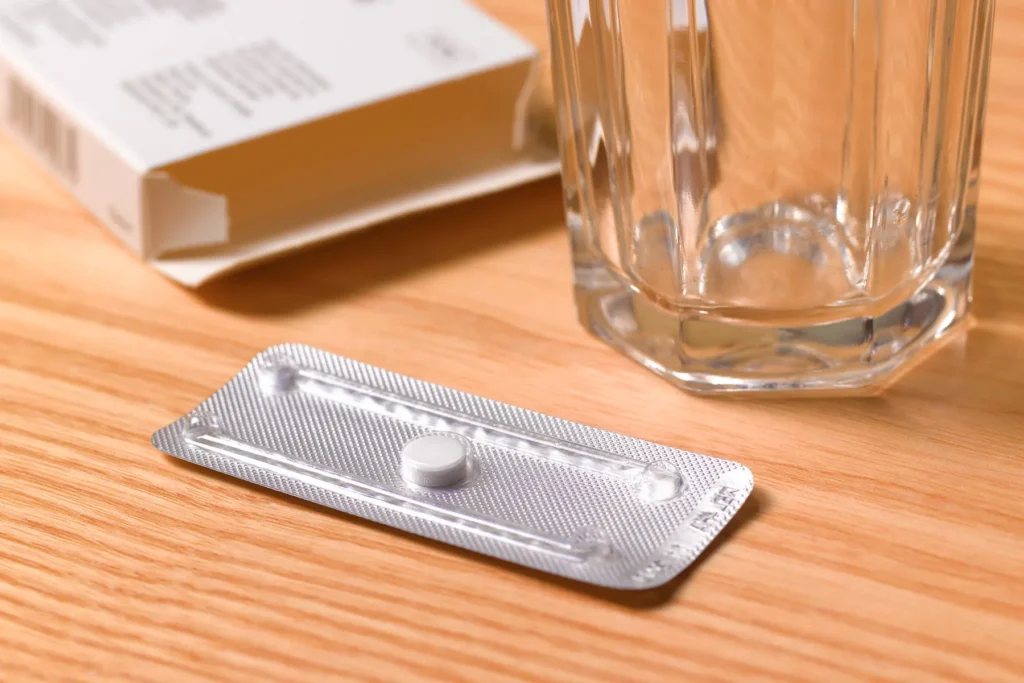
Plan B is a type of emergency contraceptive used to reduce the chance of pregnancy after unprotected sex or when regular birth control may not have worked as expected. It is commonly known as the “morning-after pill,” although that name can be misleading because Plan B does not have to be taken specifically the morning after sex.
The active ingredient in Plan B is levonorgestrel, a synthetic form of a hormone called progestin. Its primary purpose is to delay or prevent ovulation. Because pregnancy does not happen immediately after sexual intercourse, emergency contraception can sometimes prevent pregnancy before ovulation occurs.
Plan B is intended for occasional emergency use rather than as a replacement for regular contraception. People may consider it after a condom breaks, after missed birth-control pills, or after another contraceptive problem. It is important to understand how it works, when it works best, and what it cannot do.
How Does Plan B Work?
Plan B mainly works by delaying or preventing ovulation. Ovulation is the process in which an ovary releases an egg. If an egg is not released, sperm cannot fertilize that egg, which can reduce the possibility of pregnancy.
The timing of ovulation is important because sperm can remain capable of fertilization for several days under suitable conditions. If ovulation has already happened, levonorgestrel emergency contraception may not be effective at preventing pregnancy from that particular episode of sex.
Plan B does not terminate an existing pregnancy. It is emergency contraception, not an abortion medication. This distinction is important because emergency contraception and medication used to end an established pregnancy work through different mechanisms and are used for different purposes.
When Should You Take Plan B?
Plan B works best when taken as soon as possible after unprotected sex or contraceptive failure. The sooner it is taken, the more useful it generally is for preventing pregnancy.
The product is designed for use within 72 hours, or three days, after unprotected sex. Waiting until the last possible moment is not recommended when the medication is already available. Taking it promptly gives it the best opportunity to work.
People sometimes assume that emergency contraception only applies when someone has had completely unprotected sex. In reality, it can also be considered after contraceptive failure, such as a condom breaking or slipping, or when regular contraception was not used correctly.
Is Plan B Effective?
No emergency contraceptive is 100 percent effective. Plan B can substantially reduce the chance of pregnancy when it is taken appropriately, particularly when it is used soon after unprotected sex.
Its effectiveness depends heavily on timing and whether ovulation has already occurred. This is why taking Plan B quickly matters. It should not be treated as a guarantee that pregnancy cannot occur.
If pregnancy occurs despite taking Plan B, the medication is not expected to end that pregnancy. A person who does not get their expected period or develops other reasons to suspect pregnancy should consider taking a pregnancy test and discussing the situation with a healthcare professional.
Can You Take Plan B More Than Once?
People sometimes wonder whether Plan B can be taken more than once. In general, levonorgestrel emergency contraception can be used again if another episode of unprotected sex occurs, although it is not intended to replace regular contraception.
Taking Plan B repeatedly may also cause temporary menstrual changes, such as an earlier or later period or unexpected spotting. These effects can be confusing if someone is already worried about pregnancy.
If someone regularly needs emergency contraception, it may be useful to discuss longer-term birth-control options with a healthcare professional. Regular contraception can provide more consistent pregnancy prevention and may be more convenient than repeatedly relying on emergency contraception.
What Happens After Taking Plan B?
Most people can continue their normal activities after taking Plan B. There is no special recovery period required simply because the medication was taken.
Some people experience temporary side effects. These may include nausea, abdominal discomfort, headache, tiredness, dizziness, breast tenderness, or changes in menstrual bleeding. Side effects vary from person to person.
The next period may also arrive earlier or later than expected. It can be lighter or heavier than usual. These changes do not automatically mean that Plan B has failed or that pregnancy has occurred.
Common Side Effects of Plan B
Like many medications, Plan B can cause side effects. Nausea is one of the commonly discussed effects, although not everyone experiences it.
Other possible effects include headache, dizziness, tiredness, abdominal pain, breast tenderness, and changes in the timing or flow of the next menstrual period. Most of these effects are temporary.
If symptoms are severe, unusual, or persistent, seeking medical advice is appropriate. Emergency contraception is generally considered safe for most people, but individual medical circumstances can vary.
What If You Vomit After Taking Plan B?
Vomiting shortly after taking an oral medication can be important because the body may not have had enough time to absorb the medicine.
If vomiting occurs soon after taking Plan B, it is reasonable to contact a pharmacist or healthcare professional for advice about whether another dose may be necessary. The appropriate response can depend on how much time passed between taking the tablet and vomiting.
Rather than automatically taking multiple doses, it is better to get individualized guidance when vomiting occurs soon after the medication. A pharmacist can usually provide quick advice about the next step.
Does Plan B Affect Your Period?
Plan B can temporarily change the timing or characteristics of the menstrual period. Some people may get their next period earlier than expected, while others may experience a delay.
The amount of bleeding can also change. Spotting between periods can occur, and the next period may be lighter or heavier than normal.
A delayed period does not necessarily mean that Plan B failed. However, if the period is significantly late or there is concern about pregnancy, taking a pregnancy test is a sensible way to obtain clearer information.
When Should You Take a Pregnancy Test After Plan B?
A pregnancy test may be appropriate if the next period is substantially later than expected or if there are other reasons to suspect pregnancy.
Home pregnancy tests detect human chorionic gonadotropin, commonly called hCG. This hormone rises after implantation and can eventually be detected in urine.
Testing too early can produce an inaccurate negative result because pregnancy hormones may not yet be high enough to detect. Following the instructions on the specific pregnancy test and, when necessary, consulting a healthcare professional can provide better guidance.
Can Plan B Prevent Sexually Transmitted Infections?
Plan B does not protect against sexually transmitted infections, also known as STIs.
Emergency contraception and STI prevention are two different issues. Plan B is designed to reduce the chance of pregnancy; it does not prevent infections that can be transmitted through sexual contact.
Condoms and other barrier methods can help reduce the risk of many STIs when used correctly. If someone has had a potential STI exposure, testing and professional medical advice may be appropriate depending on the circumstances.
Does Plan B Cause an Abortion?
Plan B is not an abortion pill. Its purpose is to prevent pregnancy from occurring after unprotected sex or contraceptive failure.
The medication works primarily by delaying or preventing ovulation. It does not work by ending an established pregnancy.
This distinction is especially important because emergency contraception and medications used for abortion are different types of medical treatment. Someone who is already pregnant should speak with a healthcare professional about appropriate options rather than assuming Plan B will end the pregnancy.
Can You Take Plan B While Using Birth Control?
People who use regular hormonal birth control may sometimes need emergency contraception after missing doses or experiencing another contraceptive problem.
The exact recommendations can depend on the type of birth control being used and what went wrong. For example, missing a dose of one contraceptive method may have different implications from missing several doses of another method.
Because emergency contraception can interact with the timing of regular hormonal contraception, following the product instructions or asking a pharmacist or healthcare professional is a good way to determine when to restart or continue regular contraception.
Plan B and Missed Birth-Control Pills
Missing birth-control pills can reduce contraceptive protection, depending on how many pills were missed and where the person is in the pack.
If unprotected sex occurred after missed pills, emergency contraception may be considered. However, the appropriate recommendation can depend on the specific pill and the timing of the missed doses.
This is one reason it is useful to keep the packaging or know the exact name of the contraceptive being used. A pharmacist or healthcare professional can provide more precise advice rather than relying on a general rule.
Does Plan B Work During Ovulation?
Plan B’s effectiveness is closely connected to ovulation. Levonorgestrel emergency contraception works primarily by delaying ovulation.
If ovulation has already occurred, Plan B may not be able to prevent pregnancy from that episode of intercourse. This is why taking emergency contraception as soon as possible is important.
People who are unsure about their cycle timing should not necessarily assume that they have already ovulated. Menstrual cycles can vary considerably, and estimating ovulation from calendar dates alone is not always reliable.
Does Plan B Work During the Fertile Window?
The fertile window generally includes the days surrounding ovulation when pregnancy is biologically more likely to occur.
Because Plan B works mainly by delaying ovulation, it is most useful before ovulation takes place. If ovulation has already happened, levonorgestrel may have limited or no ability to prevent pregnancy from that sexual encounter.
For someone who needs emergency contraception but is concerned that ovulation may already have occurred, healthcare professionals can explain other emergency-contraception options that may be appropriate.
What Is the Difference Between Plan B and Other Emergency Contraception?
Plan B contains levonorgestrel, while other emergency contraceptive options use different approaches. One prescription emergency contraceptive, for example, contains ulipristal acetate.
There is also a copper intrauterine device, commonly called a copper IUD, which can be used as emergency contraception in appropriate circumstances. It can also provide ongoing contraception after placement.
The best option depends on factors such as timing, access, medical history, medications, and personal preferences. Emergency contraception is not a single-size-fits-all category.
Plan B and Body Weight
Body weight and body mass index have been discussed in relation to the effectiveness of levonorgestrel emergency contraception. Some evidence suggests that levonorgestrel may be less effective in people with higher body weight or BMI.
This does not mean that Plan B should automatically be avoided. Rather, people with concerns about effectiveness may want to discuss alternative emergency contraception with a healthcare professional.
A copper IUD or another emergency contraceptive option may be considered depending on individual circumstances. A pharmacist or clinician can help determine which option is suitable.
Can You Take Plan B With Other Medicines?
Some medicines can affect how the body processes hormonal contraceptives. Certain medications and herbal products can potentially reduce the effectiveness of levonorgestrel.
Examples can include some medicines used for seizure disorders, tuberculosis, HIV, and certain herbal products such as St. John’s wort. The exact interaction depends on the medication.
If you regularly take prescription medicines, over-the-counter medicines, or supplements, checking with a pharmacist or healthcare professional is a smart step before relying on emergency contraception.
Is Plan B Safe?
Levonorgestrel emergency contraception has been used widely and is considered safe for many people.
Serious complications are uncommon, but that does not mean every person has exactly the same medical circumstances. Allergies, medication interactions, pregnancy concerns, and other health factors can affect individual recommendations.
Plan B is not intended to cause long-term infertility. It is designed as emergency contraception and does not permanently alter a person’s ability to become pregnant.
Can Plan B Affect Future Fertility?
Plan B is not known to cause permanent infertility. Its effects are temporary and related to the menstrual cycle around the time it is taken.
Once its effects have passed, fertility can return to the person’s normal baseline. Taking emergency contraception does not mean that someone will have difficulty becoming pregnant in the future.
This is an important point because misinformation about emergency contraception can create unnecessary fear. People with specific fertility concerns should discuss them with a qualified healthcare professional.
Can Teenagers Take Plan B?
Emergency contraception can be relevant to people of reproductive age, including adolescents. Access rules can vary by country and location, so local regulations and pharmacy policies may matter.
Parents, guardians, schools, and healthcare professionals may have different roles depending on local laws and circumstances. Anyone who has questions about obtaining emergency contraception can ask a pharmacist or healthcare provider about the applicable rules.
Because sexual health can involve sensitive personal circumstances, young people should have access to accurate, confidential, age-appropriate medical information where legally available.
Plan B Is Not Regular Birth Control
One of the biggest misconceptions about Plan B is that it should be used as a primary birth-control method. It is better understood as a backup option for unexpected situations.
Regular contraceptive methods are designed to provide ongoing protection. Depending on personal circumstances, these can include condoms, birth-control pills, patches, rings, injections, implants, and intrauterine devices.
Using regular contraception can reduce the need for emergency contraception. However, accidents happen, and having a backup option can provide an additional layer of protection when contraceptive failure occurs.
What If You Have Sex Again After Taking Plan B?
Taking Plan B does not provide ongoing protection against pregnancy for the remainder of the menstrual cycle.
If someone has unprotected sex again after taking Plan B, that later sexual encounter can create another pregnancy risk. Emergency contraception may need to be considered again depending on timing and circumstances.
This is an important reason to use condoms or another regular contraceptive method after taking emergency contraception. Plan B should not be thought of as providing a protective shield for future sexual activity.
Plan B and Breastfeeding
People who are breastfeeding may have questions about whether they can use emergency contraception.
Levonorgestrel emergency contraception is generally considered compatible with breastfeeding. However, individual circumstances can vary, and anyone who is concerned about medication exposure while breastfeeding can speak with a healthcare professional or pharmacist.
It is also important to remember that breastfeeding is not automatically a reliable method of contraception in every situation. Pregnancy can occur after childbirth, including before regular menstrual periods return.
What Plan B Cannot Do
Understanding what Plan B cannot do is just as important as understanding what it can do.
Plan B cannot protect against sexually transmitted infections. It also does not provide ongoing contraception for the rest of the menstrual cycle. It is not designed to end an established pregnancy.
Plan B also cannot guarantee that pregnancy will not occur. Emergency contraception reduces risk, but no emergency contraceptive method provides an absolute guarantee.
When Should You Seek Medical Advice?
Most people do not need emergency medical treatment simply because they took Plan B. Temporary side effects are possible and usually do not indicate a serious problem.
However, severe abdominal pain, especially if pregnancy is possible, deserves medical attention. A healthcare professional can determine whether additional evaluation is needed.
Medical advice is also useful if the menstrual period is significantly delayed, a pregnancy test is positive, severe symptoms develop, or there are questions about medication interactions or which emergency-contraception option is most appropriate.
Common Myths About Plan B
There are many myths surrounding emergency contraception. One common misconception is that Plan B causes an abortion. As discussed earlier, Plan B is designed to prevent pregnancy primarily by delaying ovulation rather than ending an established pregnancy.
Another misconception is that taking Plan B guarantees pregnancy prevention. It does not. Its effectiveness depends on factors including timing and whether ovulation has occurred.
Some people also believe that taking Plan B causes permanent fertility problems. There is no good basis for treating temporary menstrual changes after emergency contraception as evidence of permanent infertility.
How to Use Plan B Responsibly
The most important step is to take the medication according to the product instructions and as soon as possible after the contraceptive failure or unprotected sex.
It is also useful to understand what happens afterward. A person should know that the next period may be different and that Plan B does not provide protection against another episode of unprotected sex.
Finally, emergency contraception can be an opportunity to think about longer-term contraceptive needs. If contraceptive accidents happen frequently, discussing a regular method with a healthcare professional may make pregnancy prevention easier and more reliable.
Final Thoughts on Plan B
Plan B is an important emergency-contraception option for reducing the chance of pregnancy after unprotected sex or contraceptive failure. Its active ingredient, levonorgestrel, works primarily by delaying or preventing ovulation. The timing of use matters. Taking Plan B as soon as possible gives it the best opportunity to work, while its effectiveness can be limited if ovulation has already occurred. It is also important to remember that Plan B does not protect against sexually transmitted infections and does not provide ongoing contraception.
YOU MAY HAVE MISSED