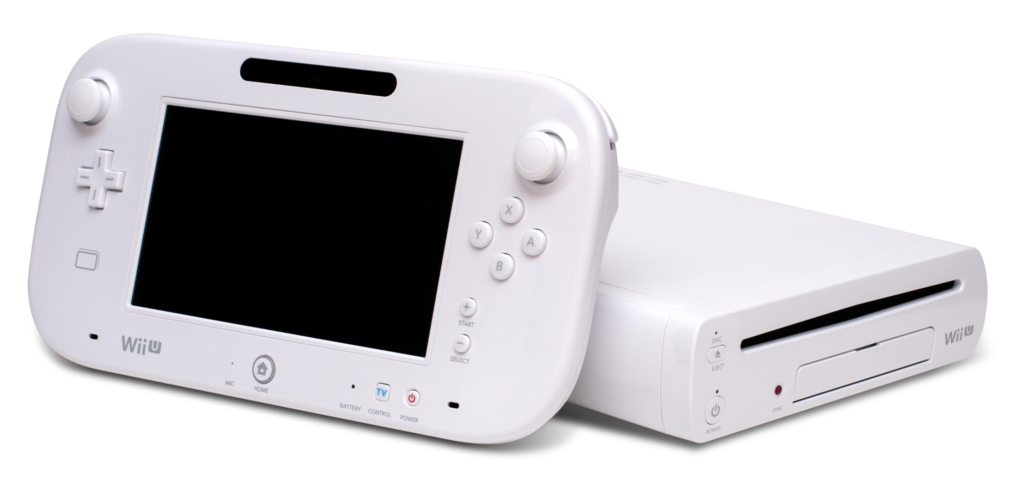
The Wii U is one of those gaming consoles that became more interesting with age. Released by Nintendo as the successor to the hugely successful Wii, it introduced a strange but ambitious idea: what if the main television screen could work together with a second screen built directly into a controller? That concept became the foundation of the Wii U experience.
Although the Wii U did not achieve the same commercial success as the original Wii, it developed a dedicated fan base. Its library included several memorable Nintendo games, experimental multiplayer experiences, and ideas that later influenced the Nintendo Switch. Looking back today, the console is an important part of Nintendo’s hardware history.
This guide explores the Wii U from its origins and hardware to its games, controller, online features, strengths, weaknesses, and lasting influence. Whether you are discovering the console for the first time or remembering your old system, there is plenty to understand about what made the Wii U different.
What Is the Wii U?
The Wii U is a home video game console developed and manufactured by Nintendo. It was officially released in 2012 as the successor to the original Wii. Nintendo designed it around a combination of traditional television gaming and a new controller called the Wii U GamePad.
At first glance, the Wii U can look like an upgraded Wii, but it is actually a different generation of hardware. Its most recognizable feature is the GamePad, which contains a touchscreen in the center. The screen could display game information, maps, inventories, menus, or sometimes the complete game independently of the television.
The console was intended to offer a new type of gaming experience rather than simply competing through raw hardware power. Nintendo focused heavily on accessibility, asymmetric multiplayer, touchscreen interaction, and creative game design. Some of those ideas worked extremely well, while others were difficult for consumers to understand when the system launched.
The Story Behind the Wii U
Nintendo entered the Wii U generation after the enormous success of the original Wii. The Wii had attracted millions of people who had never considered themselves traditional gamers. Motion controls became a major part of the gaming conversation, and Nintendo wanted its next console to continue that momentum while introducing something genuinely new.
The company experimented with a second-screen concept that could provide additional information without interrupting the main game. Instead of requiring players to constantly look at menus on the television, developers could place maps, inventories, controls, or other information on the GamePad.
The final product represented Nintendo’s attempt to create a bridge between conventional console gaming and newer touchscreen experiences. The idea was innovative, but Nintendo struggled to communicate exactly why consumers needed a Wii U rather than simply continuing to use their Wii.
Wii U Hardware Design
The Wii U has a relatively compact rectangular design with rounded edges. Compared with some competing consoles of its era, it was not particularly large. Nintendo kept the appearance simple, with a glossy exterior and a small collection of buttons and ports.
The front of the system includes the disc slot and basic system controls. Depending on the model and region, the console was available with different storage capacities. The internal storage was not especially large by modern standards, but external USB storage could be used for additional capacity.
One important hardware feature was backward compatibility with Wii software and accessories. Players could use many existing Wii controllers and accessories, which made the transition from the Wii somewhat easier for established Nintendo customers.
The Wii U GamePad
The Wii U GamePad is easily the most recognizable part of the console. It looks somewhat like a traditional controller but includes a large touchscreen in the middle. This screen was designed to work alongside the television rather than simply replacing it.
The GamePad contains two analog sticks, traditional buttons, shoulder triggers, motion sensors, a camera, speakers, and other controls. Its touchscreen could be used with a finger or stylus, depending on the game and task.
One of the most useful features was off-TV play. In supported games, players could send the entire game display to the GamePad and continue playing without using the television. This feature was particularly convenient when someone else wanted to use the TV.
How the Second Screen Changed Gaming
The second-screen concept gave developers opportunities that were difficult to reproduce on conventional controllers. A player could have a map permanently visible on the GamePad while the main action continued on the television.
Multiplayer games could also give different players different information. One person might control an important element using the GamePad while other players used regular controllers. This created asymmetric gameplay, where players did not necessarily see the same information.
Not every game used the second screen in an essential way, though. Some titles treated it primarily as an extra display for maps or menus. Others barely used it at all. This inconsistency contributed to the feeling that the GamePad was sometimes brilliant and sometimes unnecessary.
Wii U Games
The Wii U’s game library is one of the strongest reasons the console remains interesting. Nintendo released several first-party games that demonstrated the system’s capabilities while also providing experiences that could not always be replicated elsewhere.
Games such as Super Mario 3D World, Mario Kart 8, Super Smash Bros. for Wii U, Splatoon, Pikmin 3, The Legend of Zelda: The Wind Waker HD, and Xenoblade Chronicles X became important parts of the system’s identity.
The library also included ports and third-party releases. While third-party support eventually became a major weakness, the system still received a variety of games during its lifetime. Several Wii U titles later received enhanced versions on Nintendo’s next-generation hardware.
Super Mario 3D World on Wii U
Super Mario 3D World was one of the most celebrated Wii U games. It combined the structure of traditional 2D Mario games with three-dimensional environments and multiplayer gameplay.
Up to four players could cooperate, creating chaotic and entertaining sessions. Different characters had different movement characteristics, which added variety to the experience.
The Wii U GamePad also offered touchscreen interaction in certain sections. While these mechanics were not always the central focus, they demonstrated how Nintendo could integrate the controller’s unique hardware into level design.
Mario Kart 8
Mario Kart 8 became another major Wii U title. It delivered colorful tracks, familiar characters, online multiplayer, and a large collection of vehicles and customization options.
The game’s anti-gravity mechanic was one of its defining features. Certain track sections allowed vehicles to drive along walls, ceilings, and other unusual surfaces, creating visually interesting racing environments.
Mario Kart 8 also demonstrated the Wii U’s ability to deliver polished HD Nintendo graphics. The game looked substantially more detailed than many earlier Nintendo titles and helped establish the visual direction that later Nintendo hardware would continue developing.
Splatoon
Splatoon was one of Nintendo’s most original new franchises during the Wii U generation. Instead of focusing on traditional military-style shooting, it created a colorful world where players controlled characters capable of transforming between humanoid and squid forms.
The main gameplay revolved around covering areas of a map with colored ink. Players could move through their own team’s ink efficiently while using ink to attack opponents and control territory.
Splatoon became important because it showed Nintendo taking a fresh approach to online multiplayer. The franchise eventually became much larger, but its origins are closely connected to the Wii U.
Super Smash Bros. for Wii U
The Wii U also received a major entry in Nintendo’s crossover fighting franchise. Super Smash Bros. for Wii U brought together characters from Nintendo and other gaming properties in fast-paced battles.
The game supported a wide range of controllers, including the Wii U GamePad and various Wii-era accessories. This flexibility was useful for multiplayer sessions where several players wanted to join the same game.
Its roster, stages, items, and multiplayer modes gave players a huge amount of content. The game remains part of the history of the Smash series and introduced features that continued into later entries.
The Legend of Zelda on Wii U
The Wii U had an interesting relationship with The Legend of Zelda. Nintendo released The Legend of Zelda: The Wind Waker HD, an enhanced version of the classic GameCube adventure.
The HD edition updated the game’s presentation while retaining its distinctive art direction. The GamePad also provided useful functions such as inventory management and map access.
The Wii U was also home to The Legend of Zelda: Breath of the Wild, which was released alongside the Nintendo Switch in 2017. Although the Switch version became the more widely associated version, the Wii U release is an important part of the console’s final software history.
Pikmin 3
Pikmin 3 was another title that used the Wii U’s unique controller in interesting ways. Players controlled small plant-like creatures called Pikmin while exploring environments, solving puzzles, collecting objects, and fighting enemies.
The GamePad could function as a map and command center, allowing players to monitor the environment while controlling multiple characters.
The game demonstrated one of Nintendo’s strengths during this period: using unusual hardware features to enhance strategic gameplay without making the controls unnecessarily complicated.
Xenoblade Chronicles X
For players interested in large-scale role-playing games, Xenoblade Chronicles X became one of the Wii U’s most ambitious titles. It featured a huge world, exploration, combat, character development, and giant robotic vehicles called Skells.
The GamePad was particularly useful for navigation and information management. The game’s scale also made it stand out from many other Nintendo releases.
Its status as a Wii U exclusive for many years helped make the console more appealing to dedicated RPG fans. It also contributed to the system’s reputation for having several games that developed loyal communities despite the hardware’s limited mainstream success.
Wii Compatibility
One of the Wii U’s practical advantages was its compatibility with Wii software. Players could enter a Wii-oriented software environment and access many Wii games.
This was important because the original Wii had an enormous library. Owners did not necessarily have to abandon their previous games when moving to the newer console.
The Wii U could also support various Wii accessories and controllers. This compatibility helped Nintendo preserve some of the investment players had already made in the previous generation.
Wii U Controllers
The Wii U supported several controller options. The GamePad was the centerpiece, but Nintendo also allowed players to use Wii Remotes, Wii Remote Plus controllers, the Wii U Pro Controller, and other compatible accessories depending on the game.
The Wii U Pro Controller was designed for players who preferred a more traditional gamepad. It had a conventional layout and was particularly useful for games that did not need the GamePad’s touchscreen.
This variety gave players considerable flexibility. Families could use older Wii controllers while the main player used the GamePad, creating a relatively adaptable multiplayer setup.
Wii U Online Features
Online gaming became increasingly important during the Wii U generation. Nintendo offered online multiplayer for compatible games, allowing players to compete and cooperate over the internet.
The system also introduced Miiverse, a social platform built around Nintendo games. Players could post messages, drawings, comments, and game-related discussions within communities.
Miiverse became one of the most memorable aspects of the Wii U experience. It gave Nintendo’s normally family-focused ecosystem a surprisingly social layer where players could interact around specific games.
Miiverse and the Social Side of Wii U
Miiverse was different from conventional social networks because it was deeply connected to Nintendo games. Players could discuss specific titles and sometimes share drawings or messages directly within game communities.
The service became especially popular among Nintendo fans because of its creative culture. Players could use the touchscreen and stylus to draw pictures, write messages, and communicate with others.
Nintendo eventually discontinued Miiverse, meaning modern Wii U owners cannot recreate that original social experience. Even so, Miiverse remains an important part of the console’s identity and online history.
Why the Wii U Struggled Commercially
The Wii U faced several challenges from the beginning. One major issue was its name. Some consumers initially believed it was simply a new version or accessory for the original Wii rather than a completely new console.
The GamePad also created a communication problem. Nintendo needed consumers to understand why the second screen mattered and what it could actually do. For some buyers, it looked like an expensive controller rather than a new gaming system.
Third-party support also became increasingly limited. As competing platforms gained momentum, developers sometimes chose not to spend resources creating versions of their games for the Wii U.
Wii U Compared With the Original Wii
The Wii U improved on the Wii in several technical areas. It supported HD output and had more powerful hardware, allowing Nintendo to create more detailed environments and visual effects.
The GamePad was also fundamentally different from the Wii Remote. Instead of primarily relying on motion controls, it combined conventional buttons, analog sticks, motion sensors, and a touchscreen.
However, the original Wii had a much broader mainstream appeal. Its motion-control concept was easy to demonstrate to new players, while the Wii U’s second-screen concept required more explanation.
Wii U Compared With the Nintendo Switch
The Wii U and Nintendo Switch share an interesting connection. The Switch took the idea of playing console-quality games away from the television and made it a central part of the entire system.
On Wii U, off-TV play depended on the GamePad remaining connected to the console. The Switch, by contrast, turned the entire console into a portable system.
The Switch also solved some of the Wii U’s messaging problems by making its identity clearer. Its detachable Joy-Con controllers and portable design immediately communicated what made the hardware different.
Wii U’s Influence on Nintendo’s Future
Although the Wii U was not as commercially successful as Nintendo’s previous console, several of its ideas continued into later Nintendo products.
Off-TV gaming became a central part of the Nintendo Switch experience. Several Wii U games were also adapted or enhanced for Switch, giving them a much larger audience.
Nintendo’s experience with the Wii U likely provided valuable lessons about hardware messaging, software support, and the importance of making a console’s central concept immediately understandable.
Buying a Wii U Today
For modern gamers, the Wii U can be interesting as a retro or collector’s console. Its library contains games and experiences that remain historically significant, particularly for Nintendo fans.
When buying a used system, it is worth checking the condition of the GamePad carefully. The GamePad is essential for certain games and system functions, and replacing damaged hardware can be more complicated than replacing a standard controller.
Potential buyers should also check what accessories are included. Depending on the game, you may need Wii Remotes, sensor-related accessories, charging equipment, or other compatible hardware.
What Makes the Wii U Special Today?
The Wii U is special because it represents a transitional period in Nintendo’s history. It sits between the motion-control era of the Wii and the hybrid console era of the Nintendo Switch.
Its unusual hardware encouraged developers to experiment. Some experiments were forgettable, but others created genuinely interesting gameplay concepts.
The console also has historical importance because several of its games became much more successful after being reintroduced on newer hardware. That helped the Wii U library live beyond the original system.
Common Wii U Questions
Is the Wii U still worth playing?
The answer depends on what you want from a gaming system. If you are interested in Nintendo history, unique controllers, retro gaming, or Wii U-exclusive experiences, the console can still be fascinating.
Its game library is particularly important. Some titles have been moved to newer Nintendo platforms, but the original Wii U versions still offer a distinct experience, especially when the GamePad is used in meaningful ways.
Can Wii games work on Wii U?
The Wii U was designed with backward compatibility for Wii software. Many Wii games can be played through the console’s Wii functionality, although compatibility can depend on the specific title and required accessories.
This feature was useful for Wii owners who wanted to move to Nintendo’s newer hardware without immediately giving up access to their existing Wii collection.
Does the Wii U have a touchscreen?
Yes. The Wii U GamePad includes a touchscreen that forms the central part of the console’s distinctive design.
Games can use the touchscreen for maps, menus, inventory management, drawing, control inputs, or even displaying the entire game. The exact function depends on the software.
Is Wii U the same as Wii?
No. The Wii U is a separate console and successor to the Wii. While it supports many Wii accessories and software, it has different hardware, a different operating environment, and the Wii U GamePad.
The similar naming caused confusion when the system launched, but the Wii U should be considered its own console generation.
Why did Nintendo make the Wii U?
Nintendo designed the Wii U to introduce new gameplay possibilities through a second screen while continuing some of the accessibility ideas associated with the Wii.
The company wanted developers to explore experiences involving both the television and GamePad. This concept eventually evolved in a different direction with the Nintendo Switch.
The Legacy of Wii U
The Wii U may not have achieved the commercial success Nintendo wanted, but its legacy is much more complicated than its sales numbers suggest. The console introduced ideas that later became central to Nintendo’s strategy.
Its GamePad demonstrated both the possibilities and difficulties of second-screen gaming. The hardware was unusual, sometimes awkward, and occasionally brilliant. That combination is exactly what makes the console so interesting today.
The Wii U also served as a home for several important Nintendo games. Titles such as Mario Kart 8, Splatoon, Super Mario 3D World, Pikmin 3, and Xenoblade Chronicles X helped define the generation.
Final Thoughts on Wii U
The Wii U was an ambitious Nintendo console that tried to do something different. Its second-screen GamePad, backward compatibility, HD graphics, unique multiplayer ideas, and inventive software made it unlike the Wii or the consoles that came before it. Not every idea worked perfectly. The system’s name confused consumers, the GamePad had limitations, and third-party support became weaker over time. Nevertheless, the console produced a collection of memorable games and introduced concepts that Nintendo later developed more successfully.
YOU MAY HAVE MISSED