
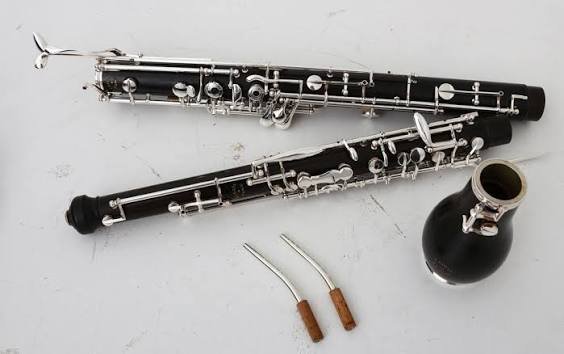
The cor anglais and the oboe are two fascinating woodwind instruments that have earned an important place in classical music. They share a similar appearance, use double reeds to produce sound, and belong to the same musical family. However, despite their similarities, they have distinct characteristics that make each instrument valuable in its own way. The oboe is known for its clear, penetrating tone, while the cor anglais is appreciated for its deeper, warmer, and more mellow sound.
The phrase “cor anglais oboe” often appears when people search for information about the relationship between these two instruments. Some musicians want to understand their differences, while others are curious about how the cor anglais works, why it is called an English horn, and when composers choose it instead of the standard oboe. Learning about these instruments reveals how small changes in size, shape, and construction can create significant differences in musical expression.
Both instruments are widely associated with orchestral music, chamber ensembles, and solo performances. Although the oboe generally receives more attention in introductory music education, the cor anglais has its own distinctive identity. Its expressive tone is particularly effective in emotional orchestral passages, lyrical melodies, and musical moments that require a feeling of warmth, distance, or reflection.
What Is an Oboe?
The oboe is a woodwind instrument that produces sound through a double reed. It is commonly made from grenadilla wood, although some models use other materials, including synthetic compounds designed for durability and stability. The instrument has a narrow, mostly conical bore, a flared bell, and a system of keys that allows the player to produce different notes.
Unlike instruments that use a single reed, such as the clarinet, the oboe has two thin pieces of reed material bound together. When a musician blows air through the opening between these pieces, they vibrate against each other and generate sound. This vibration creates the distinctive tone that makes the oboe easy to recognize in an orchestra.
The oboe is typically pitched in C, meaning that its written notes sound at the same pitch in standard orchestral notation. Its sound is bright, focused, and capable of carrying clearly through a large ensemble. Because of this strong projection, composers often use the oboe for expressive melodies, important musical signals, and passages that need to remain audible above other instruments.
Another important characteristic of the oboe is its expressive flexibility. Experienced players can control dynamics, articulation, vibrato, and phrasing to create a wide range of musical effects. The instrument can sound joyful, delicate, mysterious, or deeply emotional, depending on how it is played.
What Is a Cor Anglais?
The cor anglais is a member of the oboe family and is commonly known in English as the English horn. Despite its name, it is neither a brass instrument nor a traditional horn. It is a double-reed woodwind instrument with a larger body and a lower pitch than the standard oboe.
The instrument is usually pitched in F. This means that when a musician plays a written C, the sounding note is an F below it. As a result, the cor anglais is a transposing instrument, and its music is written at a different pitch from the sound produced. This arrangement allows players to use familiar fingering patterns while producing music in a lower register.
The cor anglais usually has a curved metal tube called a bocal between the reed and the instrument’s body. Its upper section also commonly features a pear-shaped bell rather than the more straightforward flared bell associated with a standard oboe. These construction differences contribute to its characteristic tone and playing response.
One of the most appealing qualities of the cor anglais is its warm, rounded sound. It can produce a rich, almost vocal tone that works beautifully in slow melodies and expressive orchestral passages. While the oboe often stands out because of its brightness, the cor anglais can blend into an orchestral texture while still maintaining a recognizable musical personality.
Cor Anglais vs. Oboe: The Main Differences
The cor anglais and oboe are closely related, but several important differences distinguish them. The most obvious differences involve size, pitch, sound quality, and their typical roles in musical compositions. Understanding these features makes it easier to recognize each instrument and appreciate why composers use both in the same orchestra.
The oboe is smaller and generally produces higher notes. Its sound has a focused, penetrating quality that makes it effective for melodies that need to be heard clearly. The cor anglais is longer and produces lower notes, giving it a fuller and more mellow character. Although both instruments share a double-reed mechanism, their physical differences affect their tone, range, and response.
Another major difference is transposition. The oboe is a C instrument, while the cor anglais is an F instrument. A musician playing a written C on the cor anglais produces a sounding F below that written note. Orchestral composers and arrangers must account for this difference when preparing scores and parts.
| Feature | Oboe | Cor anglais |
|---|---|---|
| Common English name | Oboe | English horn |
| Instrument family | Oboe family | Oboe family |
| Reed type | Double reed | Double reed |
| Standard transposition | C instrument | F instrument |
| Typical sound | Bright, clear, penetrating | Warm, mellow, rounded |
| Physical size | Smaller | Larger |
| Bell shape | Generally flared | Usually pear-shaped |
| Reed connection | Directly fitted to the instrument | Usually attached through a curved bocal |
| Common musical role | Melodies, orchestral solos, tuning | Expressive solos, lower woodwind colors |
| General register | Higher | Lower |
These differences do not mean that one instrument is better than the other. Each has qualities that make it suitable for different musical situations. The oboe can deliver a bright, direct melody, while the cor anglais can introduce a darker and more reflective atmosphere.
Why Is the Cor Anglais Called the English Horn?
The name “English horn” can be confusing because the instrument is not actually a horn in the brass-instrument sense. Its traditional French name is cor anglais, which is commonly translated into English as “English horn.” The historical origins of the name are not completely settled, and several explanations have been proposed.
One commonly discussed theory connects the name to older forms of the instrument whose curved shape may have reminded people of a horn. Historical terminology and regional naming conventions may also have contributed to the name’s development. The instrument’s name changed across languages and periods, making its history more complicated than a simple translation suggests.
The cor anglais developed from earlier members of the oboe family, including instruments with curved designs. Over time, changes in construction produced the recognizable modern instrument, with its larger body, curved bocal, and rounded bell. Its development reflects the broader evolution of orchestral woodwinds during the eighteenth and nineteenth centuries.
Today, both names remain widely understood. “Cor anglais” is common in many musical contexts, while “English horn” is especially familiar to English-speaking audiences. Regardless of the name, the instrument is clearly distinguished by its double reed, lower pitch, and expressive sound.
The History and Development of the Oboe Family
The modern oboe developed from earlier double-reed instruments that were used in European music for centuries. These predecessors included instruments such as the shawm, which was commonly played in outdoor celebrations, military settings, and public performances. The shawm had a powerful tone suitable for open spaces, although its sound and construction differed from those of the modern orchestral oboe.
During the seventeenth century, instrument makers began developing more refined woodwind instruments for court music and indoor performances. These developments helped establish the oboe as an important member of the Baroque orchestra. Its improved control and more flexible tone made it suitable for both melodic passages and ensemble playing.
As musical styles changed, the oboe underwent further improvements. Instrument makers introduced changes to the bore, keywork, and overall design, helping musicians play a wider range of notes with greater control. These developments eventually contributed to the modern oboe used by orchestras and conservatories today.
The cor anglais followed a related but distinct path. It evolved as a lower-pitched member of the oboe family, offering composers a different range of colors and expressive possibilities. As orchestras expanded during the eighteenth and nineteenth centuries, composers increasingly explored the instrument’s ability to produce lyrical, atmospheric melodies.
The growth of Romantic orchestral music was especially important for the cor anglais. Composers began writing passages that highlighted its warm tone and emotional depth. Instead of using it only to strengthen the lower woodwind section, they increasingly treated it as an expressive solo voice.
How the Double Reed Produces Sound
The double reed is one of the most important parts of both the oboe and the cor anglais. It consists of two thin pieces of prepared cane tied together so that a narrow opening remains between them. When air passes through this opening, the cane vibrates and creates the sound that travels through the instrument.
Producing a stable tone requires more than simply blowing air into the reed. Players must coordinate their breathing, embouchure, tongue position, and air pressure. Small adjustments can affect pitch, tone quality, response, and articulation. This is one reason the oboe family is often considered technically demanding.
Reed preparation also plays a major role in performance. Many advanced oboists and cor anglais players make or adjust their own reeds to suit their instruments, playing styles, and musical requirements. The thickness of the cane, the shape of the scrape, and the opening between the blades can all influence how the reed behaves.
Although the oboe and cor anglais use similar principles, their reeds are not generally interchangeable. The cor anglais reed is designed to work with its bocal and the instrument’s larger air column. Players must choose and prepare reeds that match the instrument’s requirements to achieve reliable intonation and a comfortable response.
Understanding the Sound of the Oboe
The oboe has a distinctive tone that can cut through a large orchestra without requiring excessive volume. Its sound is concentrated, bright, and clear, allowing important melodies to remain audible even when many instruments are playing together. This characteristic has made it an essential member of the orchestral woodwind section.
The instrument is especially effective in lyrical passages that require precision and expressive phrasing. A skilled player can shape a melody with subtle changes in dynamics and articulation, creating a sound that feels almost vocal. The oboe can also produce crisp, energetic notes that work well in fast movements and rhythmically complex passages.
Another important feature of the oboe is its role in orchestral tuning. In many traditional orchestras, the principal oboist plays a tuning note, commonly an A, before a performance. The other musicians use this note to tune their instruments. The oboe’s stable, clearly audible tone makes it useful for this purpose, although tuning practices vary among ensembles.
The oboe is also a popular choice for solo and chamber music. Its sound can blend effectively with strings, piano, flute, clarinet, and other instruments. Because of its expressive range, it remains valuable in both traditional classical repertoire and contemporary compositions.
Understanding the Sound of the Cor Anglais
The cor anglais is often described as warm, dark, mellow, and slightly nasal. These descriptions attempt to capture a tone that is softer in character than the oboe’s sound while still retaining the recognizable qualities of a double-reed instrument. Its lower register can sound rich and resonant, particularly when a player sustains a long, carefully shaped melody.
The instrument is especially effective when composers want to create a feeling of distance, longing, reflection, or quiet intensity. Its sound can suggest a human voice, although it has its own distinctive color. In orchestral music, the cor anglais can transform a passage by introducing a different emotional quality without requiring a dramatic change in volume.
The cor anglais can also blend with strings and other woodwinds. Its warm tone allows it to support a musical texture while remaining distinct enough to carry a solo line. This balance between blending and projection makes it valuable for composers who want to introduce a new color into the orchestra.
Its expressive qualities are not limited to slow music. Although it is frequently associated with lyrical melodies, the cor anglais can also participate in rhythmic passages and more energetic orchestral writing. Its lower range simply gives composers a different set of possibilities from those available on the standard oboe.
Famous Orchestral Music Featuring the Cor Anglais
The cor anglais has appeared in many well-known orchestral works, and some composers have written passages that have become closely associated with its sound. These moments help demonstrate why the instrument occupies a special position within the woodwind family.
One of the most famous examples is the Largo from Antonín Dvořák’s Symphony No. 9, commonly known as the New World Symphony. The cor anglais plays a memorable melody in the second movement, creating a reflective atmosphere that has made the passage widely recognizable. Its warm, sustained tone is central to the emotional effect of the music.
Richard Wagner also made important use of the cor anglais in his operatic and orchestral writing. The instrument’s expressive color suited his interest in blending orchestral sound with dramatic storytelling. Its ability to sustain lyrical phrases made it particularly effective in passages that needed to convey emotion without relying on a singer.
Other composers have used the cor anglais to evoke pastoral landscapes, distant voices, and contemplative moods. Hector Berlioz explored the expressive possibilities of orchestral instruments in his writing, while composers from later periods continued to use the cor anglais as a way of adding depth to woodwind textures.
These examples illustrate how a relatively specialized instrument can become central to a major musical moment. The cor anglais may not play as frequently as the oboe in every orchestral work, but when it appears, its sound can leave a lasting impression.
The Role of the Oboe in an Orchestra
The oboe plays an important role in the woodwind section, often contributing melodic material, distinctive rhythmic patterns, and color to the overall orchestral texture. Because its tone is easy to recognize, composers can use it to bring a melody forward without necessarily making it louder than the surrounding instruments.
In many compositions, the oboe introduces themes that later appear in other sections of the orchestra. It may also double a melody played by strings or add a contrasting line above a broader musical texture. Its ability to move between delicate and penetrating sounds makes it a flexible instrument for orchestral writing.
The principal oboist often carries additional responsibilities. Besides performing the most prominent oboe parts, this musician may coordinate reed choices, help establish tuning, and work closely with the conductor and other woodwind players. These responsibilities require strong technical skills and a detailed understanding of orchestral balance.
The oboe also contributes to the overall identity of an ensemble. Its tone can provide brightness and clarity in passages dominated by lower instruments, while its expressive phrasing can add warmth to more intimate moments. This combination of technical precision and musical character explains why the instrument remains essential in orchestras around the world.
The Role of the Cor Anglais in an Orchestra
The cor anglais typically serves as a complementary voice within the woodwind section. Its lower register allows it to extend the oboe family’s sound downward, creating additional options for orchestral arrangements. Composers may assign it an independent melody, a supporting harmony, or a line that blends with other instruments.
One of its most important roles is carrying expressive solo passages. The instrument’s warm tone can stand out without sounding as sharp as the oboe. This makes it especially suitable for passages that require a reflective or introspective mood.
The cor anglais player must also understand how the instrument fits into the larger ensemble. Its sound can be covered by strong orchestral textures, so the player needs to manage projection, phrasing, and intonation carefully. At the same time, playing too forcefully can reduce the mellow quality that makes the instrument distinctive.
In many orchestras, the cor anglais part is performed by an oboist who specializes in both instruments. This arrangement allows orchestras to use the cor anglais when required without needing a separate full-time position for every performance. Switching between the two instruments demands flexibility because their reeds, breathing requirements, and response characteristics differ.
How Difficult Is It to Learn the Oboe?
The oboe can be challenging for beginners because producing a consistent tone requires careful coordination. Unlike some wind instruments that respond easily to a broad range of blowing techniques, the oboe depends on a relatively precise relationship between air pressure, embouchure, and reed behavior. New players may need time to produce a stable sound and control their pitch.
Learning proper breathing is another important part of oboe technique. Players must maintain steady airflow while adjusting their air pressure to support different notes and dynamics. Because the instrument uses a double reed with a small opening, breathing patterns can feel different from those used on instruments with larger mouthpieces.
Finger technique also requires attention. The oboe has a system of keys that enables it to play a wide range of notes, but developing clean transitions between fingerings takes consistent practice. Beginners benefit from learning scales, long tones, articulation exercises, and simple melodies before moving on to more demanding repertoire.
Despite these challenges, the oboe can be rewarding to learn. Regular practice with a knowledgeable teacher helps students develop good habits and avoid unnecessary tension. Over time, players gain better control of tone, intonation, articulation, and musical expression.
How Difficult Is It to Learn the Cor Anglais?
Learning the cor anglais involves many of the same fundamentals as learning the oboe, particularly because both instruments rely on double reeds. An oboist who already has strong technique may find it easier to begin playing the cor anglais than someone who has never played a woodwind instrument.
However, the transition is not automatic. The cor anglais has a larger body, a different pitch relationship, and a curved bocal that changes the physical connection between the reed and the player. These features affect the instrument’s response and may require adjustments to breathing, embouchure, and finger coordination.
Reading transposed music is another important skill. Because the cor anglais is an instrument in F, musicians must understand how written notes relate to sounding pitches. Orchestral parts are generally prepared with this transposition in mind, but players still need to develop a strong sense of pitch and ensemble awareness.
For beginners, the best path often involves learning the oboe first, especially when a teacher and suitable instrument are available. The cor anglais is less commonly offered as a first instrument, and its repertoire and ensemble opportunities may be more limited. Nevertheless, dedicated beginners can explore it with appropriate instruction and a practical learning plan.
Choosing Between the Oboe and Cor Anglais
Choosing between the oboe and cor anglais depends on a musician’s interests, available resources, and long-term goals. Someone who wants to play in school bands, youth orchestras, chamber groups, and a broad range of classical ensembles may find the oboe a practical starting point. It is more commonly taught and appears more frequently in standard orchestral repertoire.
The cor anglais may appeal to musicians who are particularly attracted to its warm tone and expressive solo passages. Players who already perform on the oboe may decide to study the cor anglais to expand their orchestral opportunities and develop a broader range of musical colors.
Instrument availability and cost are also worth considering. Both instruments require suitable reeds, maintenance, and careful handling. The cor anglais can be more specialized, so finding an instrument, a teacher, or a local ensemble that regularly uses it may take additional effort.
Ultimately, the best choice is the one that matches a player’s musical interests and circumstances. Listening to recordings, attending live performances, and trying both instruments with a qualified teacher can help someone make an informed decision.
Caring for an Oboe and Cor Anglais
Proper maintenance is essential for keeping both instruments in good playing condition. Because they are often made from wood or other carefully selected materials, sudden changes in temperature and humidity can affect their stability. Players should avoid leaving instruments in direct sunlight, near heaters, or inside vehicles exposed to extreme temperatures.
After playing, musicians should remove moisture from the instrument using the appropriate cleaning swab. This helps prevent moisture buildup inside the bore and reduces the risk of damage. Players should follow the manufacturer’s instructions because different instrument designs may require specific cleaning procedures.
Reeds need particular attention. They are delicate and can become damaged if dropped, squeezed, or stored carelessly. Many players keep several reeds available so they can choose one that responds well to the demands of a performance. Reeds also change with use, humidity, and temperature, so regular inspection is important.
Professional servicing should be part of long-term instrument care. Keys may need adjustment, pads may wear out, and corks or other fittings can require replacement. A qualified woodwind repair technician can identify problems before they affect performance and help maintain the instrument’s response and intonation.
The Importance of Reeds and Reed Making
Reeds have an enormous influence on how an oboe or cor anglais performs. Even a well-made instrument can be difficult to play if the reed is unsuitable. A reed that is too resistant may require excessive effort, while one that is too soft may make pitch and dynamic control difficult.
Many advanced players learn to make their own reeds because this allows them to customize the response. Reed making involves selecting suitable cane, shaping it, tying it to a staple, and carefully scraping the cane to achieve the desired balance. The process requires patience, specialized tools, and a good understanding of how small changes affect performance.
Reed preferences vary among musicians. Some prefer a reed that responds easily in the upper register, while others prioritize stability in the lower register or a particular tone color. The right choice often depends on the instrument, the player’s technique, the performance venue, and the repertoire.
For students, commercially prepared reeds can provide a convenient starting point. As their skills improve, they may benefit from learning basic reed adjustment under the guidance of a teacher. Developing reliable reed habits can make practice more productive and help players build confidence.
How to Recognize the Cor Anglais in Music
Recognizing the cor anglais becomes easier when listeners pay attention to tone color, register, and musical context. Its sound is generally lower and rounder than that of the oboe, often with a warm, slightly reedy quality. When it plays a solo melody over strings, its distinctive tone may become especially noticeable.
The instrument frequently appears in slow or reflective passages, although this is not a strict rule. Composers may use it to create a pastoral atmosphere, introduce a contrasting melodic voice, or deepen the color of the woodwind section. Listening for these changes can help audiences identify its role in an orchestral piece.
Visual cues are useful when watching a live performance. The cor anglais is longer than the oboe and usually has a curved bocal and a rounded, pear-shaped bell. These physical features make it relatively easy to distinguish from other woodwind instruments on stage.
Listening to recordings of the same passage performed on different instruments can also improve recognition. Comparing an oboe solo with a cor anglais solo reveals how their tone colors differ, even when the instruments use similar phrasing and musical expression.
The Cor Anglais and Oboe in Modern Music
Although both instruments are strongly associated with classical music, they also appear in contemporary compositions, film scores, television soundtracks, and experimental works. Their distinctive double-reed tone can help composers create musical identities that stand apart from standard string and brass textures.
The oboe is often used when a soundtrack needs a clear melodic line or a delicate but recognizable woodwind voice. Its sound can support dramatic scenes, pastoral settings, and moments of emotional transition. Composers may also use it in combination with electronic instruments or unconventional harmonies to create new textures.
The cor anglais is particularly effective in cinematic writing because its lower, warmer sound can establish an atmosphere quickly. It may suggest isolation, reflection, mystery, or emotional depth, depending on how the melody and orchestration are handled. Its distinctive color can make a short passage memorable without requiring an elaborate solo.
Modern composers continue to explore the technical and expressive possibilities of both instruments. Extended techniques, unusual articulations, contemporary harmonies, and new ensemble combinations have expanded the ways they can be used. Their traditional orchestral identities remain important, but they are not limited to historical musical styles.
Common Misconceptions About the Cor Anglais and Oboe
One common misconception is that the cor anglais is a brass instrument because of the word “horn” in its English name. In reality, it is a double-reed woodwind instrument and belongs to the oboe family. Its sound is produced by a vibrating reed rather than by buzzing the lips into a brass mouthpiece.
Another misunderstanding is that the cor anglais is simply a larger oboe that plays the same notes at a lower volume. Although the instruments share important design features, the cor anglais is pitched differently, uses its own reed setup, and has a distinct tone and response. These differences affect how musicians approach phrasing, intonation, and orchestral blending.
Some listeners also assume that the oboe is always louder than the cor anglais. In practice, loudness depends on the player, instrument, reed, register, and musical setting. The oboe’s brighter tone may make it seem more prominent, but the cor anglais can project effectively when played with suitable technique and orchestration.
Finally, neither instrument is limited to a single emotional character. The oboe can sound warm and reflective, while the cor anglais can play energetic or dramatic music. Their typical sound qualities influence composers’ choices, but musicians can express a broad range of emotions on both instruments.
The Future of the Oboe Family
The oboe family continues to play an important role in music education, orchestral performance, chamber music, and contemporary composition. Advances in instrument manufacturing have improved consistency, durability, and mechanical precision, giving musicians more options when selecting instruments for different levels of experience.
Music schools and conservatories continue to train oboists who perform in orchestras, ensembles, and solo settings. Because the oboe requires specialized technique and reed knowledge, learning opportunities often include individual lessons, ensemble rehearsals, and workshops focused on breathing, tone production, and reed making.
The cor anglais also benefits from this continuing interest. As musicians explore orchestral repertoire and contemporary works, the instrument remains an important source of distinctive musical color. Its memorable solos help introduce audiences to the expressive range of the oboe family.
Technology has also changed how students learn these instruments. Online lessons, recorded performances, digital scores, and practice applications allow musicians to access educational resources from different parts of the world. These tools can supplement traditional instruction, although direct guidance from an experienced teacher remains valuable for developing healthy technique and reliable tone production.
Frequently Asked Questions About the Cor Anglais Oboe
Is the cor anglais the same as the oboe?
No. The cor anglais and oboe are related double-reed woodwind instruments, but they differ in size, pitch, construction, and tone. The oboe is smaller and pitched in C, while the cor anglais is larger and pitched in F. The cor anglais generally produces a warmer, lower sound.
Why is the cor anglais also called the English horn?
“English horn” is the established English name for the instrument known in French as cor anglais. The exact historical origin of the name is uncertain, and several explanations have been suggested. Despite its name, the instrument is a woodwind, not a brass horn.
Which instrument is easier to learn?
For many beginners, the oboe is the more practical starting point because it is more widely taught and has a larger beginner-learning infrastructure. The cor anglais shares many technical fundamentals with the oboe, but its specialized design and transposition can introduce additional challenges.
Does the cor anglais use a double reed?
Yes. Like the oboe, the cor anglais produces sound using two pieces of cane bound together to form a vibrating reed. The reed works with the instrument’s bocal and body to create its characteristic lower tone.
Can an oboe player perform on the cor anglais?
Yes. Many professional oboists also play the cor anglais, particularly in orchestras. However, switching between the instruments requires practice because they differ in pitch, response, reed setup, and physical design.
Why does the cor anglais sound sad or emotional?
Its warm, mellow tone and expressive lower register can create a reflective or wistful impression. Composers often use it for lyrical melodies that benefit from this sound. However, the instrument can also perform lively and dramatic music.
What is the most famous cor anglais melody?
One of the best-known examples is the solo in the second movement of Antonín Dvořák’s Symphony No. 9, the New World Symphony. Its memorable melody demonstrates the instrument’s ability to sustain an expressive line with warmth and clarity.
Is the cor anglais used in orchestras?
Yes. The cor anglais is a standard orchestral instrument, although it appears less frequently than the oboe. It is often played by an oboist who doubles on the instrument when the score calls for its distinctive sound.
Conclusion
The cor anglais oboe are closely related instruments that offer different musical possibilities. Both rely on double reeds, share a family history, and contribute to the expressive range of orchestral woodwinds. Yet their differences in size, pitch, construction, and tone give each instrument a unique role in music. The oboe is valued for its bright, focused sound and its ability to carry clear melodies through an ensemble. The cor anglais offers a deeper, warmer tone that is particularly effective in lyrical solos and atmospheric orchestral passages. Together, they give composers a wider range of colors and expressive choices.
