
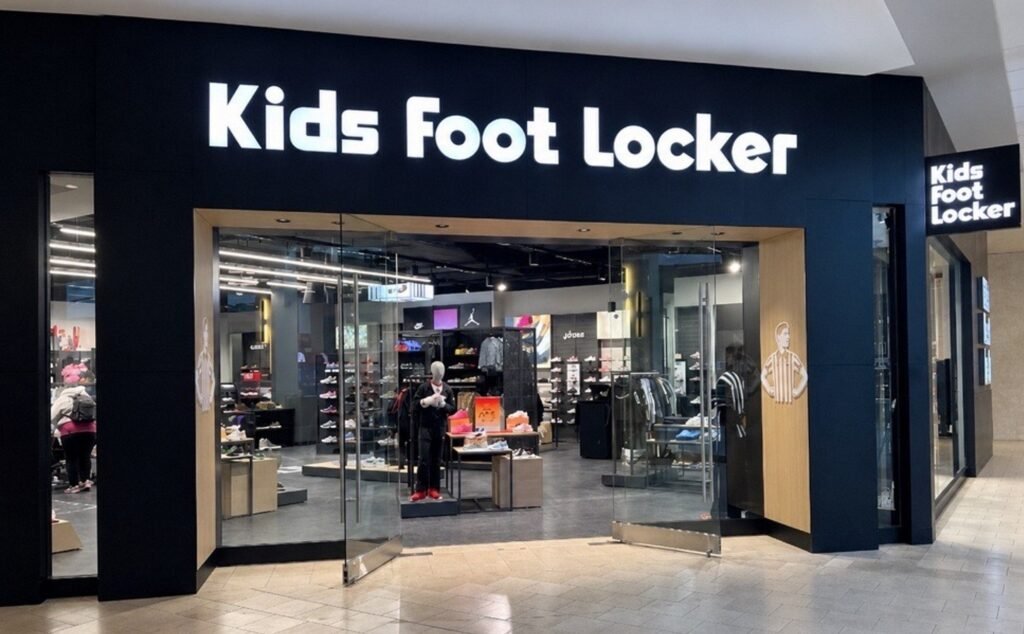
Kids Foot Locker is a popular destination for parents and young shoppers looking for athletic shoes, sneakers, clothing, and accessories designed for children. The store focuses heavily on recognizable sportswear and sneaker brands, making it an appealing option when kids want footwear that looks good while also being suitable for school, sports, and everyday activities.
Shopping for children can be surprisingly complicated. Kids grow quickly, their shoe sizes change often, and their footwear needs can vary depending on whether they are running around the playground, attending school, practicing a sport, or simply hanging out with friends. A store that brings multiple brands and styles together can make that process much easier.
The appeal of Kids Foot Locker goes beyond simply buying a pair of sneakers. Parents can explore different designs, compare features, and find products that match a child’s personality and daily routine. At the same time, children get the opportunity to choose styles they genuinely like, which can make the shopping experience more enjoyable for everyone.
What Is Kids Foot Locker?
Kids Foot Locker is the children’s-focused shopping section associated with Foot Locker, a well-known retailer specializing in athletic footwear and sports-inspired clothing. Its selection generally includes shoes and apparel aimed at babies, toddlers, little kids, and older children, depending on the market and available inventory.
The main attraction is its focus on sneakers. Children can find styles inspired by basketball, running, skateboarding, lifestyle fashion, and other athletic categories. Popular sneaker brands are often represented, giving shoppers a broad range of designs rather than limiting them to one manufacturer’s sizing system or aesthetic.
For parents, this variety can be useful because one child may need practical running shoes while another wants a fashionable sneaker for school. Instead of visiting several different stores, families can often compare different options in one shopping environment.
Why Parents Choose Kids Foot Locker
One of the biggest reasons parents consider Kids Foot Locker is the variety of footwear available. Children’s sneaker preferences can be very specific, especially as they get older. Some kids want bright colors, some prefer simple black or white shoes, and others have their hearts set on a particular brand or model.
Another advantage is the athletic focus. Sneakers are not just fashion items for active children. A well-designed pair can provide cushioning, traction, flexibility, and support appropriate for everyday movement. While not every fashionable sneaker is ideal for every activity, having access to performance-oriented footwear gives parents more choices.
The shopping experience can also save time. Rather than searching across many unrelated retailers, parents can start with a store that specializes in athletic shoes and sportswear. This is particularly helpful when a child needs new shoes quickly because an old pair has become too small or worn out.
Choosing the Right Shoe Size for Kids
Finding the correct size is one of the most important parts of buying children’s footwear. A child can outgrow shoes quickly, but buying shoes that are dramatically too large is not necessarily a good solution. Oversized shoes can feel awkward and may affect how naturally a child walks or runs.
Parents should measure both feet because one foot can be slightly larger than the other. When possible, measurements should be taken while the child is standing and wearing the type of socks they normally use with the shoes. This gives a more realistic idea of the space required.
It is also important to remember that shoe sizing can vary between brands and models. A child who wears one size in one sneaker may need a different size in another. Checking the individual product’s sizing information and, when shopping in person, trying the shoes on can help avoid unnecessary exchanges.
Understanding Different Kids’ Shoe Categories
Kids’ footwear is not one-size-fits-all because children use their shoes for different purposes. Running shoes, basketball sneakers, casual lifestyle shoes, and school shoes can all have different construction and performance characteristics.
Running-inspired footwear typically emphasizes cushioning, flexibility, and lightweight construction. These qualities can be useful for children who spend a lot of time walking, running, or playing outdoors. Basketball shoes, meanwhile, may have a different structure designed around quick movements and court play.
Lifestyle sneakers focus more heavily on appearance and everyday wear. They can be excellent choices for school or casual activities, especially when the child wants a particular look. The best choice ultimately depends on how the child will use the shoes rather than simply which design looks most attractive.
Popular Sneaker Styles for Kids
Sneaker trends change constantly, but certain styles remain popular because they combine recognizable branding with designs children enjoy. Classic athletic silhouettes can work particularly well because they are easy to pair with jeans, shorts, joggers, uniforms, and casual outfits.
Bright colors and bold patterns are especially appealing to younger children. Older kids may gravitate toward neutral colors, retro-inspired designs, or sneakers that resemble styles worn by professional athletes and entertainers.
Parents do not necessarily have to choose between fashion and practicality. Many modern children’s sneakers are designed to look stylish while still providing features suitable for everyday activity. The key is to consider construction, fit, comfort, and intended use alongside appearance.
Kids Foot Locker for School Shoes
School footwear has different requirements from shoes used exclusively for sports. Children may wear school shoes for several hours at a time, walk between classrooms, participate in physical education, and play during breaks. Comfort should therefore be a major consideration.
A versatile sneaker can be particularly useful for school because it can handle several activities without requiring the child to change shoes throughout the day. Neutral colors may also be easier to coordinate with school clothing or uniform requirements.
Before purchasing school shoes, parents should check whether the school has specific footwear rules. Some schools require certain colors or styles, while others have restrictions concerning open footwear, decorations, or non-athletic shoes.
Athletic Shoes for Active Children
Active children can put considerable stress on their footwear. Running, jumping, climbing, and playing sports can cause shoes to wear out faster than parents might expect.
When shopping for an athletic shoe, look for a comfortable fit and a sole appropriate for the intended activity. A child who primarily plays outdoors may have different needs from one who participates in an organized indoor sport.
It is also worth checking the condition of existing shoes regularly. Worn-out tread, damaged soles, flattened cushioning, loose stitching, or significant separation can all be signs that replacement is needed. Even if the shoes technically still fit, heavy wear can reduce their usefulness.
Finding Shoes for Toddlers
Buying shoes for toddlers requires extra attention because their feet are developing and their walking patterns are still changing. Shoes should not unnecessarily restrict natural movement.
Parents should look for a comfortable fit, enough room for the toes, and a design that allows the child to move naturally. Shoes that are excessively rigid or tight may be uncomfortable, particularly for children who are still becoming accustomed to wearing footwear.
Fasteners can also make a difference. Depending on the child’s age and abilities, parents may prefer traditional laces, hook-and-loop closures, elastic systems, or slip-on designs. Easy-to-use closures can encourage independence while making busy mornings easier.
Shoes for Little Kids
Little kids are often extremely active, which means durability becomes an important consideration. Shoes can encounter playground surfaces, dirt, grass, pavement, and repeated washing or cleaning.
A practical everyday sneaker should feel secure without being excessively heavy. Children need to be able to move, run, and play comfortably, so a bulky design may not always be the best option.
This is also an age when children start developing stronger opinions about their clothing. Allowing a child to choose between several parent-approved options can be a useful compromise. Parents can focus on fit and quality while children get a say in color and design.
Shoes for Older Kids and Tweens
Older children often care much more about sneaker trends and brand identity. They may follow athletes, musicians, social media creators, or fashion trends and have very specific ideas about the shoes they want.
For this age group, lifestyle sneakers and athletic designs can overlap. A shoe may be inspired by sports but primarily worn as part of an everyday outfit.
Parents should still encourage children to think about comfort and practicality. A trendy shoe may look excellent, but if it causes discomfort after an hour of walking, it may not be a good everyday choice. Finding a balance between style and function is especially important as children become more independent shoppers.
How to Compare Kids’ Sneakers
Comparing sneakers becomes easier when parents evaluate several factors instead of looking at price alone. Fit, comfort, construction, intended use, durability, and design should all be considered.
The first question should be whether the shoe fits correctly. Next, think about how the child plans to use it. A casual sneaker for school may not be the ideal choice for intensive sports training, while a highly technical athletic shoe may be unnecessary for occasional everyday wear.
Price is another factor, but the cheapest shoe is not always the best value. A durable pair that remains comfortable for months can sometimes be a better purchase than a less expensive pair that needs replacement quickly.
Kids Footwear and Comfort
Comfort should always be a priority when buying shoes for children. Kids may not always explain exactly why a shoe feels uncomfortable, so parents should pay attention to complaints about rubbing, pressure, slipping, or tired feet.
The toe area should provide adequate room without allowing the foot to slide excessively. The heel should feel reasonably secure, and the shoe should bend in a way that feels natural for its intended purpose.
Children should also be encouraged to tell parents when shoes no longer feel comfortable. Since children’s feet grow quickly, a pair that fitted perfectly several months ago may no longer be appropriate.
Durability Matters When Kids Are Active
Children are rarely gentle with their shoes. Sneakers can be dragged through playgrounds, exposed to rain, stepped in mud, and used during activities that adults would never associate with “taking care of footwear.”
Durability therefore matters. Parents can examine stitching, sole construction, materials, and areas likely to experience repeated contact with the ground. Reinforced sections around the toe and heel can be helpful for particularly active children.
However, durability should not mean ignoring comfort. A shoe made from extremely stiff materials may last a long time but still be a poor choice if the child dislikes wearing it. The goal is a reasonable combination of longevity and comfort.
Kids Foot Locker Clothing and Apparel
Footwear may be the primary attraction, but kids’ athletic shopping often extends to apparel. Sports-inspired shirts, hoodies, pants, shorts, jackets, and other clothing can complement sneakers and create complete outfits.
Children often enjoy matching their footwear with their clothing, particularly when they have a favorite brand or color. Coordinating a few versatile pieces can make it easier to create multiple outfits without buying an excessive amount of clothing.
Parents should consider fabric, fit, weather, and activity level when selecting apparel. A lightweight shirt may be ideal for warm weather, while layered clothing can provide greater flexibility during changing temperatures.
Choosing Kids’ Athletic Clothing
Athletic clothing should allow children to move freely. Tight or restrictive garments can make sports and play less comfortable, while excessively loose clothing may get in the way during certain activities.
Breathable materials can be helpful when children are active or playing in warm conditions. For cooler weather, layering is often more practical than relying on one very heavy garment.
Sizing deserves attention here as well. Parents sometimes intentionally buy clothing a little larger so children can grow into it, but oversized athletic apparel can be uncomfortable during physical activity. A balanced fit is generally the better approach.
Shopping Online for Kids Foot Locker Products
Online shopping can make it easier to compare colors, sizes, styles, and prices without taking children from store to store. It is particularly convenient for repeat purchases when parents already know the child’s preferred brand and size.
However, online shoe shopping has one major challenge: fit. Because different models can fit differently, parents should review the available sizing information before placing an order.
It is also helpful to read the product description carefully. Details such as closure type, material, cushioning, intended activity, and available sizes can make a difference when choosing between similar-looking products.
Shopping In Store
Physical stores offer one major advantage: children can try shoes on before buying them. This can be especially useful when trying a new brand or unfamiliar model.
Parents can observe whether the child walks naturally in the shoes and whether the footwear feels secure. Trying both shoes and walking around for a few minutes can reveal issues that might not be obvious while simply sitting down.
In-store shopping can also turn the purchase into a more enjoyable experience. Children can see colors and designs directly rather than relying on product photographs, which can sometimes display colors differently from real life.
How to Make Kids’ Sneaker Shopping Easier
Shopping becomes easier when parents decide what they actually need before starting. Consider the purpose of the shoes, the child’s current size, the preferred style, and a realistic spending limit.
It can also help to involve the child without giving them unlimited choices. For example, parents can select several appropriate shoes and let the child choose their favorite. This approach gives children independence while keeping practical requirements under control.
Another useful strategy is to avoid buying solely because a shoe is trendy. Trends can change quickly, while comfort and fit remain important throughout the life of the shoe.
Taking Care of Kids’ Sneakers
Proper care can help children’s shoes last longer. Parents should follow the manufacturer’s cleaning recommendations because different materials require different methods.
Simple habits can also make a difference. Allowing wet shoes to dry naturally, removing dirt before it becomes deeply embedded, and avoiding unnecessary exposure to harsh cleaning products can protect the materials.
Children can also learn basic shoe-care habits themselves. Teaching them to untie laces before removing lace-up shoes and to store footwear in a suitable place can reduce unnecessary wear.
When Should Kids Get New Shoes?
There is no single replacement schedule that works for every child. Growth rates and activity levels vary significantly.
Parents should check shoes regularly for fit and wear. If the child’s toes are pressing against the front, the shoe feels tight, or the child frequently complains about discomfort, it may be time for a larger size.
Physical damage is another important signal. Shoes with heavily worn soles, broken fasteners, major tears, or separated sections may need replacement even when the child has not outgrown them.
Kids Foot Locker and Personal Style
Children increasingly use clothing and sneakers to express their personalities. A favorite sneaker color or brand can become part of how they feel about their everyday appearance.
This does not mean parents need to purchase every fashionable item a child requests. Instead, parents can use sneaker shopping as an opportunity to teach children how to make thoughtful choices.
A child can learn that style, comfort, quality, and budget all matter. These are useful shopping skills that can eventually transfer to clothing, electronics, sports equipment, and other purchases.
Budgeting for Kids’ Shoes
Children’s footwear can become an ongoing expense because growing feet often require new sizes. Setting a reasonable budget before shopping can prevent impulse purchases.
It may be tempting to spend more on every pair, but not every shoe needs to be a premium performance model. Everyday school shoes, sports footwear, and special-occasion sneakers can each have different priorities.
Parents should also consider cost per wear. A versatile sneaker used regularly may provide more practical value than a highly specialized shoe that only comes out occasionally.
Safety Considerations When Buying Kids’ Shoes
Safety should never be overlooked simply because a sneaker looks fashionable. The shoe should fit securely and be appropriate for the activity.
For sports, children should use footwear designed for the surface and movement involved whenever possible. Running, basketball, indoor court sports, and outdoor play can place different demands on shoes.
Parents should also check fasteners and soles regularly. Loose components or damaged soles can create avoidable problems, particularly for younger children who may not notice damage immediately.
Common Mistakes Parents Make
One common mistake is buying shoes based entirely on appearance. A child may love the design, but that does not guarantee the shoe will be comfortable or appropriate.
Another mistake is assuming the same size works across every brand. Shoe sizing is not perfectly standardized, so checking fit for each model is important.
A third mistake is waiting too long to replace worn-out shoes. Parents can become accustomed to seeing a familiar pair every day and may not notice how much the sole or upper has deteriorated.
Tips for Getting Better Value
One of the simplest ways to get better value is to prioritize versatile products. A sneaker that works for school, casual outings, and light recreational activity may be more useful than buying separate shoes for every occasion.
Parents can also monitor promotions and seasonal shopping opportunities. Prices and availability can change, so flexibility with colors or exact models may provide more choices.
Finally, consider durability and fit together. A shoe that survives a long time but causes discomfort is not necessarily good value, while an extremely comfortable shoe that wears out immediately may also disappoint.
Kids Foot Locker for Different Ages
Kids Foot Locker The right footwear approach changes as children grow. Babies and toddlers generally require more attention to natural movement and easy closures. Little kids need durable, comfortable shoes capable of handling active play. Older kids and tweens often place greater emphasis on style, brand, and current sneaker culture. Teenagers may have even more specific preferences and may care about particular models, colors, or collaborations. Understanding these differences makes shopping more efficient. Instead of treating all children’s footwear as the same category, parents can focus on the actual needs of the child’s age and lifestyle.
Frequently Asked Questions About Kids Foot Locker
What can I buy from Kids Foot Locker?
Kids Foot Locker focuses primarily on children’s footwear and sports-inspired apparel. Depending on the current selection, shoppers may find sneakers, athletic shoes, clothing, accessories, and products from several recognizable brands.
Is Kids Foot Locker suitable for school shoes?
Yes, many children’s sneakers can work well as school footwear, provided they meet the school’s dress requirements and are comfortable enough for extended daily wear.
How do I choose the correct kids’ shoe size?
Measure the child’s feet and use the sizing information associated with the specific brand and model. If possible, have the child try the shoes on and walk around before purchasing.
Should I buy kids’ shoes a little bigger?
A small amount of growing room can be practical, but shoes should not be excessively oversized. A secure and comfortable fit is more important than trying to maximize the time before the next size change.
Are athletic sneakers good for everyday wear?
Many athletic sneakers are excellent everyday choices because they are designed for movement and comfort. However, the best option depends on the individual shoe and how the child uses it.
How often should children’s shoes be replaced?
Replacement depends on growth and wear. Check the fit regularly and inspect the soles, upper material, fasteners, and overall condition rather than following a fixed calendar.
Can older kids choose their own sneakers?
Absolutely. Allowing older children to participate in choosing footwear can help them develop personal style and responsible shopping habits. Parents can still guide the decision around fit, comfort, purpose, and budget.
What should I prioritize when buying kids’ sneakers?
Start with fit and comfort, then consider intended use, durability, design, and price. A balanced choice is usually better than focusing on one factor alone.
Final Thoughts on Kids Foot Locker
Kids Foot Locker can be a useful destination for families searching for children’s sneakers, athletic footwear, and sports-inspired apparel. Its appeal comes from the combination of recognizable styles, different brands, and options for children at various stages of growth.
YOU MAY HAVE MASSED
