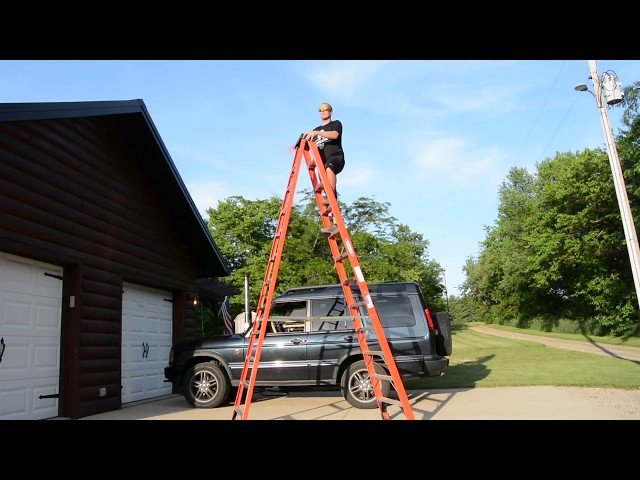
A 12 foot ladder is one of those tools that seems simple until you actually need to use one. Reaching a high ceiling, trimming branches, cleaning gutters, painting walls, changing outdoor lights, or completing maintenance around a property can be much easier with the right ladder. At the same time, height introduces additional safety considerations, so choosing the correct ladder matters just as much as knowing how to use it.
A 12 foot ladder offers a useful balance between reach and portability. It is taller than a typical household step ladder but is still manageable for many residential jobs.Depending on the design, it may be used as a step ladder, extension ladder, or another specialized configuration. The best choice depends on the task, working height, storage space, material, and the user’s experience.
This guide explains everything worth knowing before buying or using a 12 foot ladder. From ladder types and materials to weight capacity, working height, stability, maintenance, and safety practices, the goal is to make the decision easier and more practical.
What Is a 12 Foot Ladder?
A 12 foot ladder generally refers to a ladder that is approximately 12 feet in its stated size or length. However, that number does not always mean the user can safely stand at the 12-foot mark or reach exactly 12 feet above the ground. Ladder manufacturers use different measurements depending on the ladder style, so understanding the terminology is important. For example, a 12-foot extension ladder may be designed to extend to a maximum length of 12 feet. When placed against a wall, the safe standing height will be lower than the top of the ladder. A step ladder that is 12 feet tall works differently because it is self-supporting and does not lean against a structure.
The actual useful reach also depends on the user’s height and arm reach. This is why simply looking at the ladder’s listed height can sometimes lead to choosing the wrong product. A good buying decision considers the complete setup rather than one number.
Why Choose a 12 Foot Ladder?
The biggest advantage of a 12 foot ladder is versatility. It can provide enough height for many common residential and light commercial projects without being as large and difficult to handle as much taller ladders. For homeowners, this can make it a practical choice for occasional maintenance.
A ladder of this size can be useful for reaching second-story areas, depending on the ladder type and the building design. It may also work well for interior projects involving high ceilings, tall walls, lighting fixtures, shelving, and painting. Outdoors, it can be useful for certain gutter, siding, tree, and exterior maintenance tasks when the ladder is appropriate for the job.
Another advantage is availability.Twelve-foot ladders are commonly offered in several designs and materials. This gives buyers the opportunity to compare aluminum, fiberglass, extension, step, and multi-position models instead of being limited to one style.
Types of 12 Foot Ladders
Not every 12 foot ladder is built for the same purpose. One of the first decisions should therefore be identifying the ladder style that matches the work you plan to perform. Using the wrong type can make an otherwise simple task unnecessarily difficult or unsafe.
Extension ladders are designed to lean against a suitable supporting surface. They usually consist of two or more sections that can slide or extend to increase the overall length. Their design makes them useful for exterior work where a stable wall or other approved support is available.
Step ladders are self-supporting and do not require a wall for normal operation. A tall step ladder can be useful indoors or outdoors when you need to work in an open area. Multi-position ladders are another flexible option because they can be adjusted into different configurations, depending on the manufacturer’s design and instructions.
12 Foot Extension Ladder
A 12 foot extension ladder is a popular option for exterior maintenance. It can be particularly useful when working near walls, roofs, gutters, windows, or other elevated areas where leaning a ladder is appropriate.
One important point is that the ladder’s maximum length should not be confused with the height at which a person can safely work. Extension ladders require proper placement, and the user should not stand on prohibited upper rungs or steps. The manufacturer’s instructions should always determine the permitted standing position.
Extension ladders also require more attention to the surface underneath them. Uneven ground, slippery surfaces, loose soil, and unstable pavement can affect the ladder’s position. A ladder that appears strong can still become dangerous if it is placed incorrectly.
12 Foot Step Ladder
A 12 foot step ladder can provide a different experience because it stands independently. This makes it especially useful for areas where there is no suitable wall or structure to lean against.
Tall step ladders are commonly used for painting, decorating, maintenance, warehouse work, and reaching high indoor areas. Their wide base can provide good stability when the ladder is completely opened and locked according to the manufacturer’s instructions.
However, a taller step ladder can be heavier and harder to move than a short household ladder. Before buying one, consider how often it will need to be relocated. If the ladder is too heavy for the person using it, the practical benefits of its height may be reduced.
Aluminum vs. Fiberglass 12 Foot Ladder
Aluminum and fiberglass are two common materials used in ladders, and each has advantages.Aluminum ladders are generally known for being lightweight and relatively easy to transport. This can be valuable when the ladder needs to be moved frequently.
Fiberglass ladders are typically heavier, but they are often preferred for electrical-related environments because fiberglass does not conduct electricity in the same way metal does. That does not mean a fiberglass ladder makes electrical work automatically safe, however. Electricity can still create serious hazards around any ladder.
The choice should therefore depend on the environment and task. For general household maintenance, weight and portability may be important. For work around electrical systems, a properly rated fiberglass ladder may be more appropriate. Always follow applicable safety requirements and the ladder manufacturer’s instructions.
Understanding Ladder Weight Capacity
Weight capacity is one of the most important specifications to check before purchasing a 12 foot ladder. The rating generally refers to the maximum combined load the ladder is designed to support under specified conditions.
That load can include the user, clothing, tools, equipment, and materials being carried. A person who weighs less than the stated capacity can still exceed the limit when carrying heavy equipment. For this reason, choosing a ladder with some capacity margin is a sensible approach.
It is also important to understand that the ladder’s capacity does not guarantee stability in every situation. A ladder can be within its weight rating and still become unstable because of poor placement, damaged components, slippery surfaces, or incorrect use.
How High Can You Reach With a 12 Foot Ladder?
A 12 foot ladder does not necessarily provide a safe working height of exactly 12 feet. The answer depends on the ladder type and the manufacturer’s instructions. Extension ladders are particularly important because their usable standing height is below the very top.
Your own height and reach also influence the final working height. Someone who is tall may be able to reach an area that a shorter person cannot reach while standing at the same ladder position.
Instead of buying solely according to the height of the target, consider the ladder’s safe working position. A ladder that is slightly taller but allows comfortable positioning can be a better choice than one that forces you to stretch or lean.
Measuring the Right Ladder Height
Before buying a 12 foot ladder, measure the highest area you need to reach. Consider whether the task requires your hands to be above your head, at shoulder level, or around waist height.
For extension ladder applications, also consider the distance between the ladder’s base and the structure. A ladder leaning against a wall cannot normally be positioned directly underneath the area being reached. Its angle and setup affect how much height is available.
For indoor work, measure the ceiling height and the position of the object. A tall ladder can sometimes be unnecessary if the task can be completed with a shorter step ladder or platform. Selecting the smallest suitable ladder can make transportation and setup easier.
Features to Look for in a 12 Foot Ladder
A good ladder should have more than just sufficient height. Construction quality, locking mechanisms, feet, steps, rails, and overall stability all matter.
Look for secure locking mechanisms that are easy to understand and operate. Extension sections should engage properly, while step ladders should have a reliable spreader or locking system. The steps or rungs should provide a firm surface for the user’s footwear.
The feet are also extremely important. High-quality ladder feet are designed to provide traction and help protect certain surfaces. Before every use, inspect them for excessive wear or damage. Even an otherwise excellent ladder can become difficult to use safely if its feet are worn out.
How to Safely Set Up a 12 Foot Ladder
Safe setup begins with the ground. Choose a firm, level surface that can support both the ladder and its intended load. Avoid placing a ladder on boxes, loose objects, uneven piles of material, or makeshift platforms to gain additional height.
For an extension ladder, position it according to the manufacturer’s recommended angle and clearance requirements. Make sure the upper support is strong enough and suitable for ladder contact. The ladder should not be placed against fragile surfaces or unstable objects.
For a step ladder, fully open the ladder and make sure its locking components are properly engaged. Do not use a step ladder in a partially folded or unstable position unless it is specifically designed for that configuration.
Common Mistakes People Make With a 12 Foot Ladder
One common mistake is choosing a ladder that is too short. Users may compensate by standing too high or stretching sideways, which can create unnecessary instability.
Another mistake is carrying too many tools at once. Holding bulky objects while climbing can make it difficult to maintain three points of contact. A tool belt, hoist system, or another approved method may be more practical depending on the task.
People also sometimes ignore small signs of damage. A cracked rail, bent rung, loose hardware, damaged foot, or malfunctioning lock should not be dismissed simply because the ladder appears usable. Regular inspection can prevent a minor defect from becoming a major problem.
How to Climb a 12 Foot Ladder Safely
Climb facing the ladder and maintain secure contact. Whenever practical, keep two hands and one foot, or two feet and one hand, in contact with the ladder. Avoid rushing, jumping between steps, or carrying objects that interfere with your grip.
Footwear should have clean, secure soles that provide good traction. Wet, muddy, oily, or slippery footwear can reduce grip and increase risk.
Avoid leaning your body far outside the ladder’s side rails. If you cannot reach an area comfortably, climb down and reposition the ladder. Moving the ladder may take a few extra minutes, but it is much better than trying to extend your reach beyond a stable position.
Using a 12 Foot Ladder for Gutter Cleaning
A 12 foot ladder can be useful for certain gutter-cleaning tasks, but the appropriate ladder size depends on the building. Gutters may be higher than they appear from the ground, particularly on two-story homes.
For exterior work, inspect the ground around the ladder before setup. Grass, soil, gravel, wet pavement, and sloped surfaces can affect stability. The ladder should be positioned according to manufacturer instructions rather than simply placed where it appears convenient.
Do not overreach along the gutter. If you cannot comfortably reach the next section, descend and reposition the ladder. Working slowly and moving the ladder repeatedly is safer than trying to cover a large distance from one position.
Using a 12 Foot Ladder for Painting
Painting high walls and ceilings is another common application. A 12 foot ladder can make it easier to reach elevated areas without constantly moving furniture or using improvised platforms.
Before painting, keep the ladder area clear of paint cans, drop cloths, cords, and other obstacles. Wet paint can also create slippery conditions if it gets onto ladder steps.
A painter should plan the work so that frequently needed materials are accessible without creating excessive reaching or twisting. Using suitable accessories designed for the specific ladder can sometimes improve convenience, but accessories should only be used when approved for that ladder.
Using a 12 Foot Ladder Outdoors
Outdoor ladder work introduces additional hazards that may not exist indoors. Wind, rain, mud, uneven ground, nearby trees, overhead utilities, and changing weather can all affect the working environment.
Before starting, inspect the area carefully. Do not assume that a ladder is safe simply because it was stable the last time it was used. Outdoor conditions can change quickly.
If weather becomes unsuitable, stop the job. Strong wind is particularly concerning when handling a tall ladder because the ladder can behave like a large sail. Waiting for better conditions is often the safest and most practical decision.
How to Transport a 12 Foot Ladder
A 12 foot ladder can be awkward to carry, particularly through narrow doors, hallways, gates, or around vehicles. Before lifting it, check the surrounding area for people, obstacles, and overhead hazards.
When carrying a long ladder, keep awareness of both ends. The rear or front of the ladder can strike walls, vehicles, windows, or people even when the person carrying it has clear space around their body.
If the ladder is heavy or difficult to control, get assistance. Two people carrying a long ladder may have much better control than one person attempting to manage it alone.
Storing a 12 Foot Ladder
Proper storage can significantly extend a ladder’s useful life. Store it in a dry, protected location where it will not be exposed unnecessarily to moisture, extreme temperatures, chemicals, or physical impacts.
The ladder should be supported in a way that prevents unnecessary bending or damage. Avoid leaving it where vehicles, heavy objects, or other equipment can strike it.
Storage also affects convenience. If a ladder is difficult to access, users may be tempted to choose an unsafe alternative when they need to reach something quickly. Keeping the ladder accessible but securely stored encourages safer use.
Inspecting a 12 Foot Ladder Before Use
A quick inspection should become a routine before every use. Check the rails for cracks, bends, splits, or other visible damage. Examine the rungs or steps to make sure they are secure and not excessively worn.
Inspect locking mechanisms and moving components on extension or multi-position ladders. They should operate as intended without unusual looseness or resistance.
Also inspect the feet and hardware. If anything appears damaged, missing, loose, or unreliable, do not simply continue using the ladder. Remove it from service until the problem has been properly addressed according to the manufacturer’s guidance.
Cleaning and Maintaining a 12 Foot Ladder
Routine cleaning helps keep the ladder in good condition and makes damage easier to notice. Dirt, grease, paint, mud, and other substances can hide cracks or create slippery surfaces.
Use cleaning methods appropriate for the ladder material and follow the manufacturer’s recommendations. Avoid aggressive chemicals that could damage components.
Never modify structural parts of a ladder simply to make it fit a particular job. Drilling holes, cutting rails, adding homemade extensions, or replacing components with unsuitable hardware can compromise the ladder’s original design.
12 Foot Ladder for Homeowners
For homeowners, a 12 foot ladder can be a valuable long-term tool. It may be useful for seasonal maintenance, decorating, cleaning, repairs, and other household projects.
However, homeowners should resist the temptation to buy the tallest ladder available simply because more height sounds better. A ladder that is too large can be difficult to transport and store, and it may be unnecessary for many everyday tasks.
Think about the jobs you actually perform. If most work involves standard indoor ceilings, a shorter ladder may be enough. If exterior maintenance regularly requires additional height, a 12 foot model may make more sense.
12 Foot Ladder for Professional Work
Professionals often have different requirements because ladders may be used every day. Durability, weight, portability, duty rating, and compatibility with workplace safety rules become especially important.
A contractor may need different ladder types for different tasks. One 12 foot ladder may be ideal for indoor painting while another may be better for exterior maintenance.
Professional users should also follow workplace regulations and inspection procedures applicable to their industry and location. A ladder suitable for occasional household use may not meet the requirements of a demanding commercial environment.
How Much Does a 12 Foot Ladder Cost?
The price of a 12 foot ladder varies considerably depending on its material, construction, configuration, weight capacity, brand, and additional features. Basic models can be relatively affordable, while heavy-duty or multi-position models may cost substantially more.
It is tempting to select the cheapest available option, but price should not be the only consideration. A ladder is a safety-related piece of equipment, so build quality and appropriate certification or compliance are important.
A more expensive ladder may provide better durability or convenience, but buyers should still compare specifications carefully. Paying more does not automatically mean that a particular ladder is right for the intended job.
How to Choose the Best 12 Foot Ladder
Start by identifying the primary job. If you need a ladder for indoor painting, a self-supporting step ladder may be appropriate. If you need to reach exterior walls, an extension ladder may be more suitable.
Next, consider material and weight. Aluminum can be convenient for transportation, while fiberglass may be preferred for environments where electrical hazards are a concern. Then check the duty rating and make sure it comfortably accommodates the expected load.
Finally, consider storage and transportation. A ladder that technically meets your height requirement but is difficult to move or store may become inconvenient. The best ladder is one that matches the work while remaining practical to handle.
12 Foot Ladder Buying Checklist
Before purchasing a ladder, review the manufacturer’s stated height and configuration. Make sure you understand whether the advertised 12-foot measurement refers to the ladder’s overall length, maximum extension, or another measurement.
Check the weight capacity and consider the combined weight of the user and equipment. Inspect the design for quality construction, secure steps, reliable locks, and durable feet.
It is also worth checking whether the ladder meets applicable safety standards for your market. Read the instructions before using the ladder for the first time, even if you have used similar ladders previously.
Is a 12 Foot Ladder Too Tall for Home Use?
A 12 foot ladder is not necessarily too tall for home use. The appropriate size depends on the home’s layout, the work being performed, and the user’s ability to safely handle the ladder.
For some homeowners, 12 feet may be ideal because it provides enough height for tasks that cannot be completed with a small step ladder. For others, the ladder may be larger than necessary.
The key is to match ladder size to the task. A ladder should make the work easier without encouraging unsafe climbing, stretching, or positioning.
Final Thoughts on Choosing a 12 Foot Ladder
A 12 foot ladder can be an extremely useful tool for homeowners, maintenance workers, painters, contractors, and anyone who regularly needs additional working height. The right model can make high-access jobs more convenient while reducing the temptation to use unsafe alternatives. The most important thing is to look beyond the height printed on the ladder. Consider its type, weight rating, material, working height, stability, storage requirements, and intended environment. A carefully selected ladder will usually be much more useful than simply choosing the tallest or cheapest option.
Most importantly, treat ladder safety as part of the job rather than an extra step. Inspect the ladder, set it up correctly, maintain secure contact while climbing, avoid overreaching, and reposition it whenever necessary. With the right equipment and sensible habits, a 12 foot ladder can be a dependable part of your maintenance toolkit.
Frequently Asked Questions About a 12 Foot Ladder
Is a 12 foot ladder good for home use?
Yes, a 12 foot ladder can be suitable for many residential tasks. The ideal type depends on whether you need a self-supporting step ladder or an extension ladder.
How high can you safely work from a 12 foot ladder?
The safe working height depends on the ladder design and manufacturer instructions. The stated ladder height should not automatically be treated as the safe standing height.
Is aluminum or fiberglass better?
Neither material is universally better. Aluminum is generally lightweight, while fiberglass is often selected for environments where electrical hazards are a concern. The appropriate choice depends on the job.
What weight can a 12 foot ladder hold?
The capacity varies by model. Always check the manufacturer’s duty rating and account for the combined weight of the user, clothing, tools, and materials.
Can a 12 foot ladder be used on uneven ground?
A ladder should not normally be placed on unstable or uneven surfaces unless it has been specifically designed for that situation and is being used according to its instructions. A stable, level setup is essential.
How should a 12 foot ladder be stored?
Store it in a protected location where it will not be exposed unnecessarily to moisture, chemicals, impacts, or conditions that could damage its components. Follow the manufacturer’s storage recommendations.
Should I buy a 12 foot step ladder or extension ladder?
Choose based on the work. A step ladder is self-supporting and useful where there is no suitable wall, while an extension ladder is designed for applications where it can be safely leaned against an appropriate support.
How often should a 12 foot ladder be inspected?
A basic visual inspection should be performed before each use. More detailed inspections may be appropriate depending on how frequently the ladder is used and the manufacturer’s recommendations.
Can I repair a damaged ladder myself?
Do not improvise structural repairs or modifications. Follow the manufacturer’s guidance and applicable safety requirements. A ladder with significant damage may need to be removed from service.
What makes a good 12 foot ladder?
A good ladder combines appropriate height with strong construction, a suitable weight rating, secure steps or rungs, reliable locking mechanisms, stable feet, and a design that matches the intended work.
YOU MAY HAVE MASSED