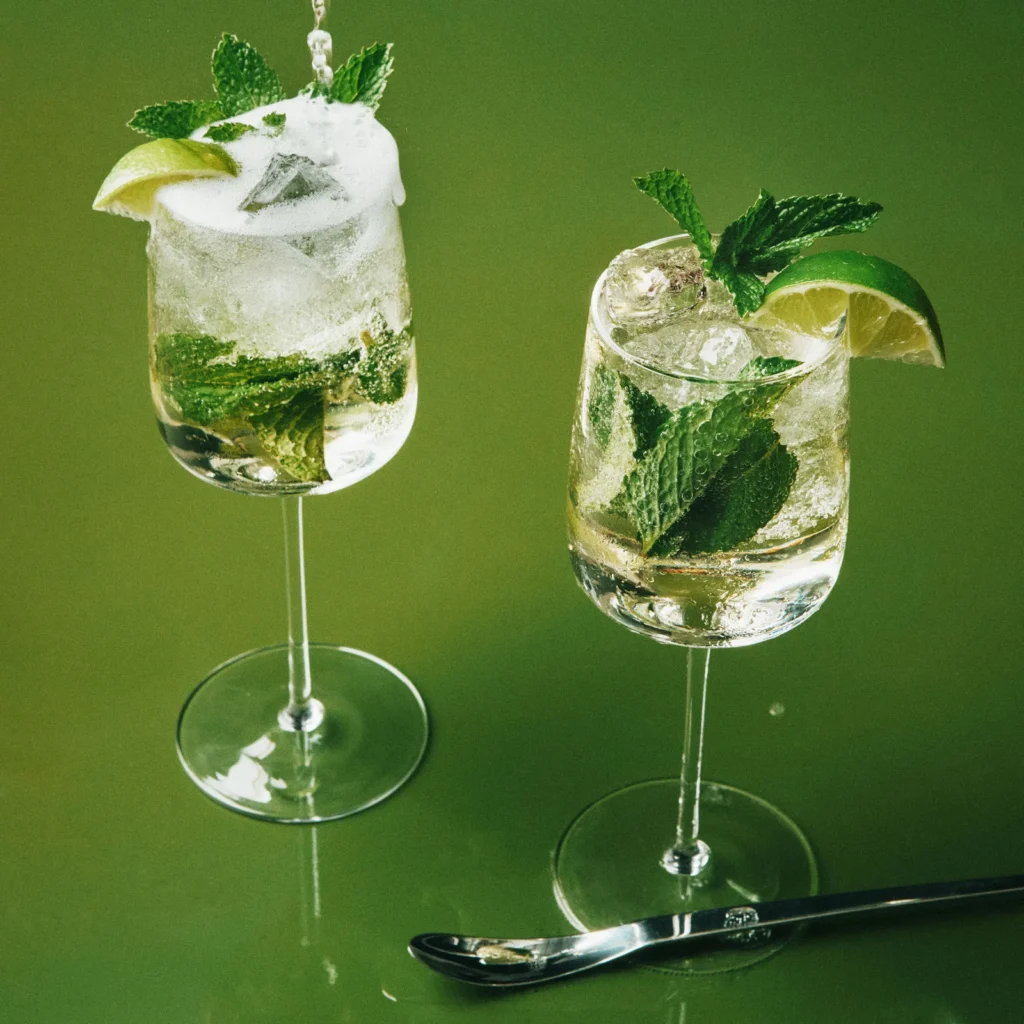
The Hugo Spritz has become one of those drinks that seems to appear everywhere once warm weather arrives. It is light, fragrant, refreshing, and much less bitter than some of the classic spritz cocktails. With sparkling wine, elderflower, fresh mint, lime, and sparkling water, it offers a bright combination that feels perfect for a relaxed afternoon, a summer dinner, or a casual gathering with friends.
Part of the appeal of the Hugo Spritz is its simplicity. You do not need an elaborate cocktail setup or a long list of unusual ingredients to make one. The drink can be prepared quickly, yet it still looks elegant in a large wine glass filled with ice and fresh garnishes. Its pale, sparkling appearance and minty aroma make it particularly attractive for social occasions.
Although the drink is strongly associated with the Italian aperitivo tradition, the Hugo Spritz has its own relatively modern history. It is generally linked to the South Tyrol area of northern Italy and is commonly associated with bartender Roland Gruber, who is credited with creating the drink in the early 2000s. Since then, it has spread far beyond its original region and become a popular choice across Europe and other parts of the world.
What Is a Hugo Spritz?
A Hugo Spritz is a sparkling cocktail traditionally made with elderflower syrup or elderflower liqueur, Prosecco, soda water, fresh mint, and lime. The ingredients are combined over ice and gently mixed, creating a drink that is fizzy, floral, citrusy, and refreshing. Unlike some spritz variations that focus heavily on bitter flavors, the Hugo has a softer and sweeter personality.
The exact recipe can vary depending on the bartender or the ingredients available. Some versions use elderflower syrup, while others use an elderflower liqueur. The amount of soda water can also be adjusted according to personal preference. Someone who enjoys a stronger cocktail may use less soda, while someone looking for a lighter daytime drink may add more sparkling water.
One of the defining characteristics of the Hugo Spritz is its balance. Elderflower brings floral sweetness, lime adds acidity, mint contributes a cool herbal note, and sparkling wine supplies the bubbly foundation. Soda water stretches the drink without making it heavy. When these elements are combined properly, the result is crisp without being harsh and sweet without becoming overwhelming.
The History Behind the Hugo Spritz
The history of the Hugo Spritz is much more recent than the history of many classic cocktails. The drink is widely associated with South Tyrol, a mountainous region in northern Italy where Italian and Alpine influences meet. According to commonly cited accounts, bartender Roland Gruber developed the cocktail around 2005 in the town of Naturno.
The original concept was reportedly created as an alternative to the popular Aperol Spritz. Rather than relying on bitter orange flavors, the Hugo used elderflower and mint to create a fresher and more aromatic profile. This made it especially appealing to people who enjoyed sparkling cocktails but did not necessarily enjoy pronounced bitterness.
The drink gradually moved beyond its local roots. Its combination of readily available ingredients, attractive appearance, and refreshing flavor helped it become popular throughout Italy and neighboring European countries. Today, the Hugo Spritz is commonly served in bars, restaurants, cafés, hotels, and at home gatherings, especially during spring and summer.
Why the Hugo Spritz Became So Popular
One reason for the Hugo Spritz’s popularity is that it is approachable. Not everyone enjoys strong spirits or intensely bitter cocktails. The Hugo offers a gentler introduction to the world of aperitivo drinks because its flavor is driven by sparkling wine, elderflower, citrus, and herbs rather than a dominant spirit.
Another major advantage is its visual appeal. A large glass filled with ice, mint leaves, lime slices, and sparkling liquid immediately looks festive. The cocktail does not require complicated decoration to stand out. Even a simple serving can look polished, which makes it popular for parties, brunches, weddings, outdoor dinners, and other social events.
There is also a practical reason behind its popularity: the recipe is easy to scale. If you are hosting several people, you can prepare the ingredients quickly and assemble individual drinks as guests arrive. That combination of simplicity and presentation has helped the Hugo Spritz move from a regional favorite to a widely recognized modern cocktail.
What Ingredients Go Into a Hugo Spritz?
The classic Hugo Spritz uses a small number of ingredients, but each one plays an important role. The sparkling wine provides bubbles and structure, while elderflower contributes sweetness and floral character. Fresh mint adds an herbal aroma, and lime provides the acidity needed to keep the drink lively.
A typical serving can be built using approximately 3 ounces of Prosecco, 1 ounce of elderflower syrup or elderflower liqueur, 1 to 2 ounces of soda water, a few fresh mint leaves, and lime slices or wedges. These proportions are not fixed rules. Cocktail recipes often vary, and the best ratio depends on the specific ingredients and personal taste.
Ice is also important. The drink is generally served well chilled, and plenty of ice helps maintain its refreshing character. Large cubes or other substantial pieces of ice can work particularly well because they melt more slowly than small, crushed pieces. The goal is to keep the cocktail cold without quickly diluting it.
Prosecco: The Sparkling Foundation
Prosecco is usually the sparkling wine of choice for a Hugo Spritz. Its light body, fruit-forward character, and bubbles work naturally with elderflower and citrus. Because Prosecco is not typically as yeast-driven or toasty as some other sparkling wines, it allows the floral and herbal ingredients to remain noticeable.
When choosing Prosecco for a Hugo, there is no need to reach for the most expensive bottle. The cocktail includes several additional flavors, so an accessible, good-quality bottle is usually more than enough. A dry or relatively dry style can help prevent the finished drink from becoming excessively sweet.
Temperature matters too. Chilled Prosecco gives the cocktail a cleaner and more refreshing finish. If the sparkling wine is warm, the ice has to work harder to cool the drink, which can lead to faster dilution. Keeping the bottle refrigerated before preparation is a simple step that can noticeably improve the final result.
Elderflower Syrup or Elderflower Liqueur?
Elderflower is the ingredient that gives the Hugo Spritz its recognizable floral personality. You can use elderflower syrup, elderflower liqueur, or another suitable elderflower cordial depending on the recipe. These products are not identical, so the amount you use may need to change.
Elderflower syrup or cordial is generally sweeter and does not necessarily contribute as much alcohol as an elderflower liqueur. This makes it useful when you want a lighter cocktail or when you are preparing a larger batch for a gathering. Because syrups can be quite sweet, using too much may overpower the lime and sparkling wine.
Elderflower liqueur, on the other hand, contributes both sweetness and additional alcohol. It often has a concentrated floral flavor, meaning a smaller quantity can provide plenty of character. Whichever option you choose, tasting the drink and adjusting the balance is more important than following a rigid measurement.
The Importance of Fresh Mint
Fresh mint is more than a decorative garnish in a Hugo Spritz. Its aroma is an important part of the drinking experience. When mint leaves are added to the glass, their fragrance rises with the bubbles and contributes a cool, herbal sensation.
You should handle mint gently rather than aggressively crushing it. Excessive muddling can release too much of the plant’s bitter or grassy character. A light clap between your hands or a gentle press can release enough aroma without damaging the leaves.
For the best presentation, choose fresh, vibrant mint. Remove wilted or damaged leaves and use attractive sprigs for the garnish. If you are preparing several drinks, keeping the mint chilled and hydrated until serving can help preserve its appearance and aroma.
Why Lime Makes Such a Difference
Lime brings acidity and freshness to the Hugo Spritz. Elderflower ingredients are naturally sweet, and lime helps prevent that sweetness from becoming flat or heavy. Even a small amount can make the cocktail feel significantly brighter.
Fresh lime is generally preferable to bottled lime juice when possible. Freshly cut lime provides both juice and aromatic oils from the peel. Lime wheels or wedges can also serve as an attractive garnish, giving the drink a more finished appearance.
The amount of lime can be adjusted according to taste. If you prefer a sharper cocktail, add more fresh lime. If you want the elderflower flavor to remain dominant, use a smaller amount. The key is finding a point where the acidity supports the floral sweetness rather than completely dominating it.
How to Make a Hugo Spritz at Home
Making a Hugo Spritz at home is straightforward. Start with a large wine glass or another suitable stemmed glass and fill it generously with ice. Add fresh mint and lime, followed by the elderflower component. Pour in the chilled Prosecco slowly to preserve as much carbonation as possible.
Next, add a splash of soda water. The exact amount depends on how light or concentrated you want the cocktail. Give the drink a gentle stir rather than vigorously mixing it. Excessive stirring can cause the carbonation to disappear quickly.
Finish with an attractive mint sprig and a lime wheel or wedge. Serve immediately while the drink is cold and bubbly. The whole process takes only a few minutes, which is one reason the cocktail works so well for spontaneous gatherings.
A Simple Hugo Spritz Recipe
| Ingredient | Typical Amount | Purpose |
|---|---|---|
| Prosecco | 3 oz | Sparkling base |
| Elderflower syrup or liqueur | 1 oz | Floral sweetness |
| Soda water | 1–2 oz | Lightness and dilution |
| Fresh mint | Several leaves | Herbal aroma |
| Fresh lime | 1–2 slices or a small squeeze | Citrus acidity |
| Ice | Plenty | Chilling |
These measurements are a useful starting point rather than an absolute formula. If your elderflower product is particularly sweet, you may want to reduce the amount. Likewise, if your Prosecco is especially dry, a little more elderflower can create a smoother balance.
The easiest approach is to build the drink gradually and taste it before adding more ingredients. Cocktail making is partly about understanding balance, and small adjustments can make a surprisingly large difference.
How to Get the Perfect Balance
The perfect Hugo Spritz should not taste like one ingredient has completely taken over. You should notice the floral sweetness of elderflower, the freshness of mint, the acidity of lime, and the sparkling character of the wine. The soda should make the drink refreshing rather than watery.
If your cocktail tastes too sweet, increase the amount of soda or add a little more lime.If it tastes too sharp, a modest amount of additional elderflower syrup can soften it.If the drink seems weak, reduce the amount of soda or increase the sparkling wine proportion.
Temperature also affects perceived balance. A properly chilled cocktail generally tastes more refreshing and controlled. Warm ingredients can make sweetness feel heavier and reduce the crisp impression that makes a Hugo Spritz so enjoyable.
Hugo Spritz vs. Aperol Spritz
The Hugo Spritz and Aperol Spritz are often compared because both are popular Italian-style aperitivo drinks. However, their flavor profiles are quite different. Aperol Spritz is built around Aperol, which gives the cocktail a distinctive bittersweet orange and herbal character.
The Hugo takes a more floral and aromatic route. Elderflower provides sweetness, while mint and lime bring freshness. Instead of the pronounced bitterness associated with Aperol, the Hugo generally feels softer and more delicate.
Neither drink is necessarily better than the other. It depends on what you enjoy. If you prefer bitter citrus and herbal complexity, an Aperol Spritz may be more appealing. If you like floral, minty, lightly sweet flavors, the Hugo Spritz is likely to be a better match.
Hugo Spritz vs. Other Spritz Cocktails
The term “spritz” refers to a broad family of sparkling aperitivo drinks rather than one single recipe. Many versions combine sparkling wine, a flavored aperitif or liqueur, and soda water. Different ingredients can produce dramatically different results.
The Hugo stands out because of its use of elderflower and mint. These ingredients create a fresh, garden-like character that separates it from orange-forward, bitter, or fruit-heavy spritz variations. It is particularly suited to warm-weather drinking because of its cooling aromatic profile.
There are also many modern interpretations. Bartenders may introduce cucumber, berries, basil, grapefruit, or other ingredients. While these variations can be enjoyable, the classic combination remains popular because it is simple and balanced.
The Best Glass for a Hugo Spritz
A large wine glass is one of the most common choices for serving a Hugo Spritz. Its wide bowl provides enough room for ice, mint, lime, and bubbles. It also allows the drinker to experience the cocktail’s aroma more easily.
A large goblet or balloon-style glass can work as well. The most important consideration is enough space for the ingredients and ice without making the drink difficult to handle. A small glass can make the cocktail feel crowded and may not provide enough room for proper dilution.
Presentation is part of the Hugo experience. A clear glass allows the pale sparkling drink, green mint, and lime garnish to remain visible. For parties, matching glassware can also make a simple drink setup look considerably more sophisticated.
How to Garnish a Hugo Spritz
A classic Hugo garnish usually includes fresh mint and lime. The mint sprig can be placed near the top of the glass so its aroma becomes noticeable when the drink is brought toward the face. Lime slices can be arranged along the side of the glass or floated among the ice.
You do not need an elaborate garnish. In fact, too many decorations can make the drink look messy and interfere with the clean character of the cocktail. A few fresh ingredients usually create the most attractive result.
If you want to experiment, cucumber ribbons, additional herbs, or edible flowers can create interesting variations. However, these additions should complement the drink rather than hide its recognizable elderflower-and-mint identity.
Common Mistakes When Making a Hugo Spritz
One common mistake is adding too much elderflower syrup. Because elderflower products can be intensely sweet, using a large quantity can turn a refreshing cocktail into something heavy. Start conservatively and increase the amount if necessary.
Another mistake is using warm ingredients. Sparkling wine and soda should ideally be chilled before preparation. Warm ingredients require more ice to bring the drink to serving temperature, which can lead to unnecessary dilution.
Over-stirring is another issue. The bubbles are an important part of a spritz, so aggressive mixing can make the drink flatter. A gentle stir is usually enough to distribute the ingredients without destroying the carbonation.
How Sweet Should a Hugo Spritz Be?
There is no universal sweetness level that every Hugo Spritz must follow. Personal preference plays a major role. Some people enjoy a noticeably sweet floral cocktail, while others prefer something drier and more citrus-forward.
If you prefer a drier drink, choose a dry sparkling wine and use less elderflower syrup. Adding more soda and a little lime can also make the drink feel lighter. If you prefer a sweeter style, slightly increasing the elderflower component can create a softer and more dessert-like impression.
The important thing is balance. A good Hugo should remain refreshing even when it is sweet. If you finish the drink feeling that the sugar dominates every other flavor, it probably needs more acidity, carbonation, or dilution.
Can You Make a Hugo Spritz Without Alcohol?
Yes, you can create a non-alcoholic version inspired by the traditional Hugo Spritz. Instead of Prosecco, use a non-alcoholic sparkling wine or another sparkling beverage. Elderflower syrup or cordial can provide the floral component, while mint, lime, and soda water maintain the refreshing character.
The proportions may need to be adjusted because non-alcoholic sparkling products differ considerably in sweetness and acidity. Some are quite sweet, while others are relatively dry. Start with a small amount of elderflower and add more only if needed.
A non-alcoholic Hugo-style spritz can be a useful option for guests who do not drink alcohol. It retains many of the visual and aromatic qualities of the classic cocktail while allowing everyone at the table to enjoy a similar style of drink.
Hugo Spritz for Parties and Gatherings
The Hugo Spritz is particularly convenient when entertaining. You can prepare chilled ingredients in advance and assemble each drink as guests arrive. Having the mint and lime prepared ahead of time makes the process even faster.
For a larger gathering, you can create a batch, but carbonation requires some care. It is usually better to add sparkling components shortly before serving rather than mixing everything hours in advance. Otherwise, the drink can lose its lively bubbles.
A self-service setup can also work well. Provide chilled sparkling wine, elderflower syrup, soda water, lime, mint, plenty of ice, and large glasses. Guests can then adjust the proportions according to their preferences.
Food Pairings for a Hugo Spritz
Because the Hugo Spritz is light and refreshing, it works well with a wide range of foods. Fresh salads, seafood, grilled vegetables, mild cheeses, and light appetizers can all complement its floral and citrus notes.
The acidity of lime can help refresh the palate between bites, while the carbonation provides a cleansing sensation. This makes the drink particularly suitable for aperitivo-style meals where several small dishes are served rather than one heavy entrée.
It can also work nicely with Mediterranean-inspired foods. Think olives, bruschetta, fresh tomatoes, grilled seafood, herb-forward dishes, and simple antipasti. The goal is to choose foods that allow the cocktail’s delicate flavors to remain noticeable.
When Is the Best Time to Drink a Hugo Spritz?
The Hugo Spritz is traditionally associated with aperitivo, which makes early evening a natural time to enjoy it. However, there is no strict rule. Its light and refreshing profile also makes it popular at afternoon gatherings and outdoor events.
Warm weather is particularly well suited to the drink. The combination of ice, bubbles, mint, and lime creates a cooling sensation that feels especially appropriate during spring and summer.
Of course, responsible drinking matters regardless of the occasion. Because a Hugo Spritz contains sparkling wine and may also contain elderflower liqueur, its alcohol content can vary depending on the recipe. Enjoying it slowly and knowing what is in your glass is always a good approach.
Creative Hugo Spritz Variations
Once you understand the basic recipe, the Hugo Spritz is easy to customize. Cucumber is one popular direction because its clean, watery character fits naturally with mint and elderflower. A few thin cucumber slices can add freshness without radically changing the cocktail.
Fresh berries can create another appealing variation. Strawberries, raspberries, or blueberries can provide color and subtle fruitiness. If you use berries, avoid adding so many that they overwhelm the floral character of the elderflower.
Herbs other than mint can also be explored. Basil, for example, can create a more savory and aromatic variation. The important principle is to experiment gradually. Add one new ingredient at a time so you can understand how it changes the overall balance.
How to Make a Hugo Spritz Less Sweet
If your Hugo Spritz is too sweet, there are several easy fixes. Adding more soda water is the simplest because it increases volume and reduces the concentration of sweetness. A small squeeze of fresh lime can also add the acidity needed to make the drink taste brighter.
Choosing a drier Prosecco is another useful strategy. The sparkling wine contributes to the overall flavor profile, so starting with a wine that is not overly sweet gives you more control.
You can also reduce the elderflower syrup or liqueur in the original recipe. It is usually easier to add more sweetness later than to correct a drink that has already become excessively sweet.
How to Make a Hugo Spritz Stronger
Some drinkers prefer a more pronounced cocktail. In that case, the simplest approach is to adjust the ratio of sparkling wine, elderflower liqueur, and soda. If you are using elderflower liqueur rather than syrup, remember that you are also increasing the alcohol content when you increase its quantity.
A stronger drink should still remain balanced. Adding too much liqueur can make the floral flavor overpowering and can also make the cocktail noticeably sweeter. Reducing the soda slightly while maintaining a reasonable amount of sparkling wine can provide more intensity without making the drink cloying.
It is also worth remembering that carbonation and sweetness can sometimes make alcohol feel less noticeable than it actually is. Drink responsibly and be aware that different recipes can have significantly different alcohol strengths.
Is a Hugo Spritz Good for Beginners?
The Hugo Spritz is often a good choice for people who are new to cocktails. Its ingredients are familiar, the preparation is simple, and its flavor is generally softer than many spirit-forward or bitter cocktails.
Beginners may also appreciate the ability to adjust the recipe. If the first attempt is too sweet, more soda or lime can help. If it is too light, the sparkling wine or elderflower component can be adjusted. This flexibility makes the drink approachable.
It also introduces several fundamental cocktail concepts: balancing sweetness and acidity, managing dilution, preserving carbonation, and using aroma as part of the drinking experience. In that sense, making a Hugo Spritz can be a surprisingly useful introduction to home bartending.
Tips for Making a Restaurant-Quality Hugo Spritz
Start with quality ingredients, but do not assume the most expensive products are automatically the best. A fresh lime, fragrant mint, chilled sparkling wine, and a well-balanced elderflower product will generally have more impact than an expensive bottle paired with poor preparation.
Pay attention to temperature and ice. Cold ingredients and plenty of good-quality ice help maintain the drink’s crispness. Prepare your garnish before building the cocktail so you can serve it immediately.
Finally, do not overcomplicate the recipe. The Hugo Spritz works because its ingredients complement each other. The best version is often the one that allows the elderflower, mint, citrus, and sparkling wine to remain distinct without one flavor dominating the glass.
Frequently Asked Questions About Hugo Spritz
What is a Hugo Spritz made of?
A traditional Hugo Spritz commonly contains Prosecco, elderflower syrup or elderflower liqueur, soda water, fresh mint, and lime. It is served over ice and gently mixed.
Is a Hugo Spritz sweet?
A Hugo Spritz is generally on the sweeter and more floral side compared with bitter spritz cocktails. However, the sweetness can be adjusted by changing the amount of elderflower syrup or liqueur and using a drier sparkling wine.
Is Hugo Spritz Italian?
The drink is strongly associated with northern Italy, particularly South Tyrol. It is commonly linked to bartender Roland Gruber, who is credited with developing the cocktail in the mid-2000s.
What is the difference between Hugo Spritz and Aperol Spritz?
The main difference is the flavor base. Hugo Spritz uses elderflower, mint, and lime, creating a floral and refreshing profile. Aperol Spritz uses Aperol, giving it a more bitter and orange-forward character.
Can I make a Hugo Spritz without Prosecco?
Yes. A non-alcoholic sparkling wine or another suitable sparkling beverage can be used to create an alcohol-free variation. The recipe may need adjustment depending on the sweetness and acidity of the replacement.
Can I use elderflower syrup instead of elderflower liqueur?
Yes. Elderflower syrup is a common choice for Hugo-style recipes. Because syrup and liqueur have different concentrations and alcohol contents, you may need to adjust the quantity to achieve the desired balance.
What garnish goes with a Hugo Spritz?
Fresh mint and lime are the classic choices. They provide both visual appeal and aroma while reinforcing the cocktail’s fresh flavor profile.
What food goes well with a Hugo Spritz?
Light appetizers, seafood, salads, mild cheeses, grilled vegetables, bruschetta, olives, and Mediterranean-style dishes are all good options. The drink’s acidity and carbonation work particularly well with lighter foods.
Final Thoughts on Hugo Spritz
The Hugo Spritz is a great example of how a relatively simple cocktail can become memorable through balance. Sparkling wine supplies the bubbles, elderflower adds floral sweetness, lime provides acidity, and mint brings an unmistakably fresh aroma. Soda water ties everything together while keeping the drink light and easy to enjoy. Its modern history and northern Italian roots give it an interesting background, but its popularity ultimately comes down to taste and versatility. You can serve a traditional version, make it less sweet, experiment with cucumber or berries, or create a non-alcoholic variation. The basic structure gives you plenty of room to personalize the drink.
YOU MAY HAVE MISSED