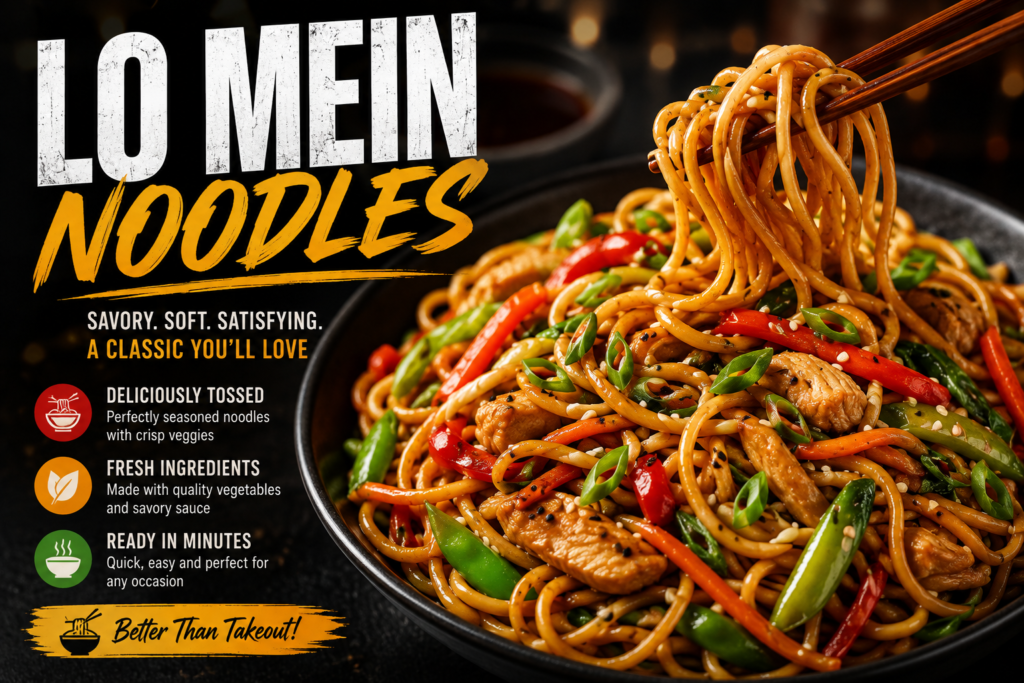
Lo mein noodles have earned a permanent place on menus and in home kitchens for good reason. Soft, slightly chewy wheat noodles tossed with vegetables, protein, and a savory sauce create a satisfying meal that feels both comforting and versatile. Whether ordered from a neighborhood Chinese restaurant or prepared from scratch on a weeknight, the dish delivers flavor and texture that keep people coming back. Understanding what makes these noodles special helps anyone appreciate them more and cook them better.
The appeal starts with the noodles themselves. They absorb sauce without turning mushy when handled correctly, and they pair easily with whatever ingredients are on hand. From classic chicken or beef versions to vegetarian options loaded with mushrooms and greens, the basic formula adapts to different tastes and dietary needs. This guide explores the origins, preparation methods, common variations, and practical tips that turn a simple plate of lo mein noodles into something memorable.
What Exactly Are Lo Mein Noodles
Lo mein noodles are fresh or dried wheat-based noodles, often containing egg, that form the foundation of a popular Chinese stir-fried dish. The name roughly translates to “stirred noodles,” which describes the cooking method of tossing them with sauce and other ingredients rather than serving them in broth. The texture is soft yet springy, providing a pleasant chew that contrasts with crisp vegetables and tender proteins.
These noodles differ from many other Asian varieties in both composition and preparation. They are typically thicker than some thin wheat noodles used in soups and hold up well under high heat. In restaurants the noodles often arrive already par-cooked so they finish quickly in the wok. At home cooks can start with fresh noodles from an Asian market or dried ones that rehydrate easily. The result is a complete meal in one pan that feels substantial without requiring complicated techniques.
A Brief Look at the History and Cultural Roots
The roots of the dish stretch back through Chinese culinary traditions where noodles have long held symbolic and practical importance. Wheat noodles became widespread in northern China, and stir-frying techniques developed as efficient ways to combine them with seasonal produce and available proteins. Over time regional styles evolved, and the version known as lo mein traveled with immigrants and adapted to new ingredients and tastes.
In the United States the dish became a staple of American Chinese restaurants, where it developed a slightly sweeter and saucier profile than some traditional preparations. Home cooks and professional chefs continue to refine the balance of soy sauce, sesame oil, and aromatics that define the flavor. The enduring popularity reflects both the practicality of the meal and its ability to satisfy a wide range of preferences. Today lo mein noodles appear on menus from casual takeout spots to more upscale interpretations that highlight premium ingredients.
How Lo Mein Noodles Differ from Chow Mein and Other Noodle Dishes
Many people use the names interchangeably, yet the preparations differ in important ways. Chow mein typically involves noodles that are fried longer to develop a crisp exterior, while the version focused on lo mein noodles keeps them softer and more thoroughly coated in sauce. The distinction matters for texture and for how the dish feels on the plate.
Other noodle dishes offer useful points of comparison. Soup noodles sit in broth and emphasize different seasonings. Pan-fried varieties aim for a browned, almost crispy bottom layer. Rice noodles bring a lighter, gluten-free option with a distinct mouthfeel. Understanding these differences helps when ordering or cooking. Choosing the right style depends on whether you want something saucy and soft, crisp and dry, or brothy and light. The soft, sauce-friendly character of lo mein noodles makes them especially good for absorbing complex flavors without becoming heavy.
Essential Ingredients That Build Great Flavor
A successful plate starts with quality noodles and a balanced sauce. Fresh egg noodles provide the ideal chew, though dried versions work well when cooked carefully. The sauce usually combines soy sauce for saltiness, a touch of sugar or hoisin for depth, sesame oil for aroma, and sometimes oyster sauce or rice vinegar for complexity. Aromatics such as garlic, ginger, and green onions form the fragrant base.
Vegetables add color, crunch, and nutrition. Common choices include cabbage, carrots, bell peppers, snow peas, mushrooms, and bean sprouts. Proteins range from sliced chicken, beef, or pork to shrimp, tofu, or scrambled egg. The key is cutting everything into similar sizes so ingredients cook evenly and finish at the same time. When these elements come together quickly over high heat, the result tastes fresh rather than stewed. Keeping the components simple yet high quality lets the natural flavors shine through the sauce that coats the lo mein noodles.
Step-by-Step Approach to Cooking at Home
Preparing the dish at home is more approachable than many people expect. Begin by cooking the noodles according to package directions until just tender, then drain and toss lightly with a bit of oil to prevent sticking. Meanwhile prepare all vegetables and proteins so everything is ready before the wok or large skillet gets hot. High heat is essential for proper stir-frying.
Start by searing the protein, then remove it and cook the aromatics and harder vegetables. Return the protein, add the softer vegetables, and finally the noodles and sauce. Toss everything thoroughly so the sauce coats each strand evenly. A final sprinkle of green onions or sesame seeds adds freshness and visual appeal. The entire process moves quickly once the ingredients are prepped, making it realistic for busy evenings. Practice helps refine timing so the vegetables stay crisp and the lo mein noodles remain pleasantly chewy.
Popular Protein and Vegetable Combinations
Classic combinations continue to satisfy because they balance texture and flavor. Chicken lo mein pairs tender sliced breast or thigh with a mix of cabbage and carrots. Beef versions often use flank steak cut thinly against the grain for maximum tenderness. Shrimp cooks quickly and brings a mild sweetness that complements the savory sauce.
Vegetarian plates can be equally satisfying. Firm tofu absorbs sauce well, while mushrooms contribute meaty texture and umami. Extra vegetables such as broccoli, bok choy, or zucchini increase volume and nutrition without weighing the dish down. Some cooks add a scrambled egg for richness and extra protein. Experimenting with seasonal produce keeps the meal interesting throughout the year. The flexibility of lo mein noodles means almost any combination can work when the sauce and cooking technique stay consistent.
Sauce Variations That Change the Character
The basic sauce provides a reliable foundation, yet small adjustments create different profiles. A heavier hand with dark soy sauce deepens color and intensity. Adding chili oil or fresh chilies introduces heat for those who prefer spice. A spoonful of peanut butter or tahini produces a richer, slightly nutty variation that feels more substantial.
Lighter versions rely more on chicken or vegetable broth and less on soy for a cleaner taste. Some regional or home-style approaches incorporate fermented black beans or additional ginger for complexity. Tasting and adjusting as you cook allows the sauce to match personal preference. Because the noodles absorb liquid readily, the sauce should be assertive enough to season everything without becoming watery. Mastering a few sauce variations expands the range of meals you can create with the same base of lo mein noodles.
Nutritional Considerations and Healthier Adaptations
Like many noodle dishes, the classic version provides carbohydrates for energy along with protein and vegetables. The exact nutrition depends on portion size, protein choice, and amount of oil used in cooking. Choosing lean proteins and loading the pan with vegetables increases the nutrient density. Using less oil or a nonstick pan reduces overall fat content without sacrificing flavor.
Whole-wheat or alternative noodles offer more fiber for those seeking that benefit. Reducing the sugar in the sauce and relying more on aromatics and vinegar keeps the dish from tasting overly sweet. Portion awareness helps maintain balance when the meal is part of a larger eating pattern. Many people find that a plate built around lo mein noodles and plenty of vegetables feels satisfying and relatively wholesome when prepared thoughtfully at home.
Tips for Achieving Restaurant-Quality Texture
The difference between good and great often comes down to technique. Avoid overcooking the noodles initially so they finish with a slight bite. High heat and constant motion in the pan prevent steaming and encourage light caramelization on the ingredients. Working in batches if necessary keeps the temperature high rather than overcrowding the pan.
Draining the noodles well and tossing them with a little oil stops them from clumping. Adding the sauce near the end allows it to coat without making everything soggy. Resting the finished dish for a minute lets the flavors settle. These small habits produce results that rival takeout. With practice the process becomes intuitive, and the reward is a plate of lo mein noodles that tastes fresh and vibrant.
Regional and International Twists Worth Trying
While the American Chinese version is most familiar to many, other interpretations exist. Some Chinese regional styles use different seasonings or noodle thicknesses. Southeast Asian adaptations might incorporate local herbs, fish sauce, or additional spice. Fusion approaches add unexpected ingredients such as kimchi, cheese, or nontraditional proteins while keeping the stir-fried noodle structure.
Exploring these variations expands culinary horizons without requiring completely new skills. The core method of cooking noodles and tossing them with sauce and accompaniments remains constant. Trying a new vegetable or sauce component each time keeps the experience interesting. The adaptability of lo mein noodles makes them an ideal canvas for creative cooking.
Pairing Suggestions and Complete Meal Ideas
The dish works well as a standalone meal, yet thoughtful pairings elevate it further. A simple cucumber salad or pickled vegetables provides cool contrast to the warm, savory noodles. Hot and sour soup or egg drop soup makes a traditional starter. For larger gatherings, serving multiple protein versions allows guests to sample different options.
Leftovers reheat surprisingly well when a splash of water or broth is added to restore moisture. Packing the dish for lunch keeps it convenient for work or school. Some people enjoy it cold the next day as a noodle salad with an extra drizzle of sesame oil and vinegar. The versatility extends beyond the initial meal and reduces food waste.
Common Mistakes and How to Avoid Them
Several pitfalls can undermine an otherwise good effort. Using too much sauce leaves the noodles swimming rather than coated. Adding ingredients in the wrong order results in uneven cooking. Low heat produces steamed rather than stir-fried results. Overcrowding the pan drops the temperature and creates steam.
Measuring the sauce components before starting prevents last-minute scrambling. Keeping a small bowl of water nearby allows quick adjustments if the pan seems dry. Tasting as you go ensures the seasoning is correct before serving. Learning from these common issues improves consistency. Once the process feels familiar, producing excellent lo mein noodles becomes reliable rather than hit-or-miss.
Storing and Reheating for Best Results
Proper storage maintains quality for the next day or two. Cool the leftovers quickly and refrigerate in an airtight container. When reheating, a skillet over medium heat with a bit of water or broth restores the texture better than a microwave alone. Stirring frequently prevents hot spots and keeps the noodles from drying out.
Freezing is possible though the texture of the vegetables may soften slightly upon thawing. Portioning into individual containers makes future meals convenient. Labeling with the date helps track freshness. These habits extend the enjoyment of a batch cooked in advance and make weeknight dinners easier.
The Role of Lo Mein Noodles in Everyday Cooking
Beyond special occasions, the dish fits comfortably into regular meal rotation. Its speed and flexibility suit busy schedules. The ability to use whatever vegetables and proteins are available reduces the need for special shopping trips. Children and adults often accept the familiar flavors readily, making it a practical family option.
Cooking it regularly builds confidence with stir-frying techniques that transfer to other dishes. The satisfaction of creating a complete, flavorful meal in one pan encourages more home cooking overall. Over time many people develop their own preferred combination that feels personal rather than strictly traditional. That everyday usefulness is a large part of why the noodles remain popular.
Exploring Fresh Versus Dried Noodle Options
Fresh noodles from an Asian grocery or specialty market offer superior texture when available. They cook quickly and have a tender yet resilient quality. Dried noodles provide convenience and longer shelf life. Both can produce excellent results when handled correctly.
Some brands specifically label their products for lo mein style preparations. Reading package instructions and adjusting cooking times based on experience yields the best outcome. Experimenting with different brands helps identify personal favorites. The choice between fresh and dried often depends on location, budget, and how soon the meal will be prepared. Either route can lead to satisfying lo mein noodles when the rest of the technique is solid.
Flavor Building Blocks Beyond the Basic Sauce
Layering flavors creates more interesting results. Toasting the aromatics briefly develops depth. A touch of MSG or mushroom powder enhances savory notes for those who use them. Fresh herbs added at the end brighten the finished dish. Citrus zest or a squeeze of lime can provide unexpected lift in certain variations.
Balancing salty, sweet, sour, and umami elements keeps the palate engaged. Tasting the sauce before adding the noodles allows final adjustments. Small amounts of additional ingredients often make a larger difference than expected. Developing an intuitive sense for these balances improves every subsequent batch of the dish.
Making the Dish Work for Different Dietary Needs
Adaptations accommodate various preferences and requirements. Gluten-free noodles made from rice or other alternatives substitute when needed, though the texture changes. Lower-sodium soy sauces or coconut aminos reduce salt content. Omitting animal products and relying on tofu, tempeh, or extra vegetables creates fully plant-based versions.
For those monitoring carbohydrates, reducing the noodle portion and increasing vegetables maintains satisfaction. High-protein additions support different nutritional goals. The basic structure remains forgiving enough to adjust without losing the essential character of the meal. These modifications ensure that more people can enjoy a version of lo mein noodles that fits their needs.
Entertaining with a Noodle-Focused Menu
The dish scales well for groups. Preparing components ahead and stir-frying in batches keeps the process manageable. Setting out several protein and vegetable options lets guests customize their plates. Accompanying dishes such as dumplings, spring rolls, or simple steamed greens complete the spread.
Presentation matters for gatherings. Serving in a large shallow bowl or on a platter shows off the colors. Garnishes of sesame seeds, sliced green onions, and cilantro add visual appeal. The casual yet flavorful nature of the meal suits both informal get-togethers and more planned dinners. Guests often appreciate the interactive element of choosing their preferred combinations.
Sustainability and Ingredient Choices
Selecting seasonal vegetables supports better flavor and lower environmental impact. Choosing proteins from responsible sources aligns with personal values around food production. Minimizing food waste by using vegetable scraps for stock or planning leftovers further improves the overall approach.
Buying noodles and pantry staples in reasonable quantities prevents excess. Supporting local Asian markets when possible strengthens community businesses and often provides access to higher-quality ingredients. These considerations add another layer of intention to preparing the meal without complicating the process. Thoughtful choices enhance both the dish and the broader context in which it is cooked.
Troubleshooting Texture and Flavor Issues
If the noodles turn out too soft, the initial cooking time was likely too long or they sat in the sauce too long. Next time reduce the boiling time slightly and add the sauce later in the process. If the dish tastes bland, the sauce may need more salt, acidity, or aromatic intensity. Adjusting in small increments corrects the balance.
When vegetables release too much water, the pan was overcrowded or the heat was too low. Cooking in stages and maintaining high temperature solves the problem. Sticky noodles usually result from insufficient oil or inadequate draining. A light coating of oil after cooking and thorough draining prevent clumping. Addressing these issues systematically improves outcomes with each attempt.
The Sensory Experience of a Well-Made Plate
A successful serving engages multiple senses. The visual appeal of colorful vegetables against the glossy noodles invites the first bite. The aroma of sesame, garlic, and soy signals the flavors to come. The texture contrast between soft noodles, crisp vegetables, and tender protein creates interest with every mouthful. The overall savoriness satisfies without overwhelming.
Paying attention to these sensory details elevates the act of eating. Slowing down to notice the balance of elements increases enjoyment. Sharing the meal with others often amplifies the experience through conversation and shared reactions. These intangible aspects help explain the lasting popularity of the dish beyond its practical advantages.
Building Confidence Through Repeated Practice
The first few attempts may not be perfect, yet each one teaches something useful about timing, heat, and seasoning. Keeping notes on what worked and what needed adjustment accelerates improvement. Starting with simpler combinations before adding more ingredients reduces complexity while skills develop.
Over time the process becomes second nature. The ability to glance at available ingredients and create a balanced meal grows with experience. That confidence extends to other cooking techniques and encourages more adventurous home meals overall. Mastering a reliable version of lo mein noodles provides a foundation that supports broader culinary growth.
| Component | Common Options | Purpose |
|---|---|---|
| Noodles | Fresh egg, dried wheat | Chewy base that absorbs sauce |
| Protein | Chicken, beef, shrimp, tofu | Substance and savory depth |
| Vegetables | Cabbage, carrots, peppers, mushrooms | Crunch, color, nutrition |
| Aromatics | Garlic, ginger, green onion | Fragrant foundation |
| Sauce Base | Soy, sesame oil, oyster sauce | Salty, aromatic coating |
| Finishing | Sesame seeds, chili oil | Texture and optional heat |
One home cook observed that “once you get the timing right, the whole meal comes together faster than delivery,” while another noted how “the sauce clinging to every strand is what makes it so satisfying.” Those everyday comments reflect the practical pleasure the dish delivers.
FAQ
What are lo mein noodles made from?
Lo mein noodles are typically wheat flour noodles that often include egg for richness and color. Fresh versions have a soft, elastic texture, while dried ones rehydrate into a similar consistency when cooked properly. The composition allows them to hold sauce well and maintain a pleasant chew after stir-frying. Quality varies by brand and whether the noodles are fresh or dried, so experimenting helps identify preferred options.
How do I cook lo mein noodles so they do not stick together?
After boiling the noodles until just tender, drain them thoroughly and toss immediately with a small amount of neutral oil or sesame oil. This light coating prevents the strands from clinging. Avoid overcooking during the initial boil, and add them to the hot pan only when the other ingredients are nearly ready. High heat and constant tossing during the final stage further keep the texture separate and appealing.
Can I make a vegetarian version with lo mein noodles?
Yes, the dish adapts easily to vegetarian preferences. Firm tofu, tempeh, or additional mushrooms provide protein and substance. Load the pan with a variety of vegetables for texture and nutrition. Use a vegetarian oyster sauce alternative or simply rely on soy sauce, sesame oil, and aromatics for the seasoning. The result remains flavorful and satisfying while fitting plant-based eating patterns.
What is the difference between lo mein noodles and chow mein?
The primary difference lies in preparation and final texture. The style using lo mein noodles keeps them softer and more thoroughly mixed with sauce. Chow mein often involves longer frying that creates crispier edges or a drier overall character. Sauce quantity and cooking time also differ. Understanding the distinction helps when ordering or following recipes so the expected texture matches the result.
How long do leftovers keep and how should they be reheated?
Properly stored leftovers remain good in the refrigerator for two to three days. Place them in an airtight container once cooled. Reheating works best in a skillet over medium heat with a splash of water or broth to restore moisture. Stir frequently until heated through. The microwave is convenient but can soften the texture more than stovetop reheating. Enjoying leftovers the next day remains one of the practical advantages of the dish.
Are there gluten-free alternatives that work similarly?
Gluten-free noodles made from rice, mung bean, or other alternative flours can substitute in many recipes. The texture will differ from traditional wheat-based lo mein noodles, often becoming softer or more delicate. Adjust cooking times carefully and handle gently to avoid breakage. Sauce adherence may also vary, so a slightly thicker sauce can help. Many people successfully adapt the dish this way while maintaining the overall flavor profile.
Conclusion
Lo mein noodles offer a reliable combination of comfort, flavor, and flexibility that few other dishes match so consistently. From their historical roots to modern home kitchens, they continue to satisfy through simple techniques and adaptable ingredients. Mastering the balance of texture, sauce, and accompaniments turns an everyday meal into something worth looking forward to. Whether prepared as a quick weeknight dinner or expanded for guests, the dish rewards attention to detail without demanding advanced skills. Exploring variations, refining personal preferences, and sharing the results with others keeps the experience fresh. With the guidance covered here, anyone can create plates that deliver the satisfying chew and savory coating that make this classic so enduring.