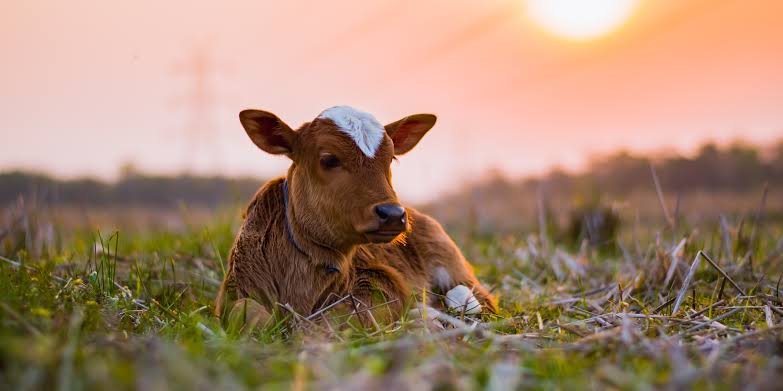
Animals sustainability is about creating a healthier relationship between animals, people, and the natural environment. It focuses on protecting wildlife, maintaining healthy ecosystems, using natural resources responsibly, and making sure animal populations can survive for generations. While the phrase may sound technical, the basic idea is quite simple: humans need to live alongside animals without destroying the conditions they need to survive.
Every animal plays a role in its environment. Some spread seeds, some pollinate plants, some control insect populations, and others help maintain food chains. Even animals that people rarely notice can have important ecological functions. When one species disappears or its population drops dramatically, the effects can spread through an entire ecosystem.
Animals sustainability also includes the way humans raise, feed, transport, and care for domesticated animals. Agriculture, fishing, livestock production, and pet ownership all have environmental consequences. Sustainable practices aim to reduce unnecessary harm while maintaining food production, livelihoods, biodiversity, and animal welfare.
Understanding animals sustainability is becoming increasingly important because ecosystems are under pressure from habitat loss, pollution, climate change, overfishing, illegal wildlife trade, and unsustainable land use. Protecting animals is therefore not simply about saving individual species. It is about maintaining the natural systems that support life on Earth.
What Does Animals Sustainability Mean?
Animals sustainability refers to practices and systems that allow animal populations and the ecosystems supporting them to remain healthy over the long term. It combines ideas from wildlife conservation, environmental protection, responsible agriculture, sustainable fishing, biodiversity management, and animal welfare.
A sustainable approach recognizes that animals cannot be separated from their habitats. A tiger cannot survive without enough territory and prey. A sea turtle needs healthy marine environments and safe nesting beaches. Bees need flowering plants and suitable nesting areas. Protecting an animal while ignoring the environment around it usually provides only a temporary solution.
The concept also involves human needs. Millions of people depend directly on animals and natural ecosystems for food, employment, income, transportation, and cultural traditions. Sustainable systems try to balance these needs with environmental limits. The goal is not necessarily to eliminate human use of animals, but to make that use more responsible and less destructive.
Why Animals Are Important to Healthy Ecosystems
Animals are essential components of ecosystems because they interact with plants, microorganisms, soil, water, and other animals. These interactions create ecological processes that keep natural environments functioning. Removing an important species can change how an entire ecosystem works.
For example, herbivores influence vegetation by feeding on plants, while predators help regulate prey populations. Birds and mammals can transport seeds across large distances, allowing plants to spread into new areas. Insects such as bees and butterflies contribute to pollination, which supports the reproduction of many flowering plants.
Animals also participate in nutrient cycling. When animals eat plants or other organisms, nutrients move through food webs. Eventually, waste and decomposition return nutrients to the environment. These processes help maintain soil fertility and support plant growth.
The Connection Between Biodiversity and Sustainability
Biodiversity means the variety of life found in a particular area or across the planet. It includes different species, genetic variation within species, and different ecosystems. Animals are an important part of this diversity, and maintaining biodiversity is one of the foundations of environmental sustainability.
A diverse ecosystem can often respond more effectively to environmental changes. Different species perform different functions, so the loss of one species may sometimes be partly compensated for by another. However, this does not mean species loss is harmless. Every species contributes to ecological relationships, and repeated losses can weaken ecosystems.
Biodiversity also provides benefits to humans. Healthy ecosystems can support food production, clean water, soil health, pollination, recreation, and natural protection against some environmental hazards. Protecting animal diversity therefore supports both ecological and human well-being.
Habitat Loss and Its Impact on Animals
Habitat loss is one of the major challenges facing animal populations. Forests, grasslands, wetlands, deserts, rivers, and coastal areas are frequently changed for agriculture, cities, roads, mining, industry, and other human activities.
When natural habitat is destroyed, animals may lose food, shelter, breeding grounds, and migration routes. Some species can adapt to modified environments, while others cannot. Animals with specialized habitat requirements are often particularly vulnerable.
Habitat fragmentation creates another problem. A large natural area may be divided into smaller isolated sections by roads, farms, buildings, or other developments. Even when some habitat remains, animals may struggle to move between populations. Wildlife corridors and protected areas can help maintain connections between habitats.
Climate Change and Animal Sustainability
Climate change is affecting animals in many different ways. Changes in temperature, rainfall, seasonal patterns, sea levels, and extreme weather events can alter the environments in which animals live.
Some animals respond by moving toward cooler regions or changing the timing of migration and reproduction. However, not every species can move quickly enough or find suitable habitat elsewhere. Species living in highly specialized environments may face particularly difficult challenges.
Marine animals are also affected by changing ocean conditions. Warmer water, changes in food availability, and ocean chemistry can influence marine ecosystems. Coral reef environments, for example, are sensitive to environmental changes and support many species.
Animals sustainability therefore requires climate-conscious conservation. Protecting habitats, restoring ecosystems, reducing pollution, and improving resource efficiency can all contribute to stronger ecosystems that are better able to cope with environmental change.
Sustainable Agriculture and Animals
Agriculture has a major relationship with animals. Livestock provides food and income for millions of people, while farming landscapes can also provide habitat for wild species. Sustainable agriculture attempts to produce food while reducing unnecessary environmental damage.
Responsible livestock systems can focus on efficient resource use, appropriate stocking levels, soil protection, water management, and good animal care. Practices vary depending on climate, geography, animal species, and farming system, so there is no single solution that works everywhere.
Agricultural sustainability also affects wild animals. Farming methods that maintain hedgerows, wetlands, native vegetation, and natural habitat can provide food and shelter for birds, insects, small mammals, and other species. Reducing unnecessary pesticide use can also help protect beneficial organisms.
Sustainable Fishing and Marine Animals
Oceans and freshwater systems support an enormous variety of animal life. Fish provide food and income for communities around the world, making sustainable fishing an important part of animals sustainability.
Unsustainable fishing can reduce fish populations and affect entire marine food webs. When too many individuals are removed from a population before it can reproduce adequately, long-term population decline can occur.
Sustainable fisheries generally involve science-based management, appropriate catch limits, monitoring, enforcement, and methods designed to reduce unwanted bycatch. Protecting important breeding areas and habitats can also help marine populations recover and remain productive.
Wildlife Conservation and Animals Sustainability
Wildlife conservation focuses on protecting wild animals and the habitats they depend on. Conservation can take many forms, including protected areas, habitat restoration, species monitoring, anti-poaching efforts, captive breeding in carefully managed situations, and community-based conservation.
Effective conservation usually considers more than individual animals. A species needs enough habitat, food, genetic diversity, and safe opportunities to reproduce. Conservation programs therefore often work at the ecosystem and landscape level.
Local communities are also important. People living near wildlife can experience both benefits and challenges associated with conservation. Programs that involve communities and recognize local economic realities can create stronger long-term conservation outcomes.
The Role of Protected Areas
National parks, wildlife reserves, marine protected areas, and other conservation zones can provide important safe spaces for animals. These areas can protect habitats from some forms of development and provide places where populations can reproduce and recover.
However, simply creating a protected area does not automatically guarantee success. Protected areas need appropriate management, sufficient resources, effective monitoring, and consideration of surrounding landscapes.
Connectivity is particularly important for many species. Animals may need to move between feeding, breeding, and seasonal habitats. Creating wildlife corridors between protected areas can reduce isolation and allow populations to remain connected.
Animal Welfare and Sustainability
Animal welfare is closely connected with sustainability, particularly when humans keep or use animals. Sustainable systems should consider how animals are housed, fed, handled, transported, and cared for.
Good animal welfare involves meeting animals’ physical and behavioral needs. Access to appropriate food and water, suitable shelter, sufficient space, proper health care, and humane handling are important considerations.
Sustainability does not mean welfare should be ignored in favor of environmental efficiency. A system that uses fewer resources but causes unnecessary suffering would raise serious ethical concerns. Responsible animal management needs to consider environmental, economic, and welfare factors together.
Sustainable Pet Ownership
Pets are another part of the animals sustainability discussion. Dogs, cats, birds, reptiles, fish, and other companion animals depend on people for food, shelter, health care, and protection.
Responsible pet ownership begins with choosing an animal that matches the owner’s ability to provide appropriate care. People should understand an animal’s lifespan, diet, space requirements, exercise needs, and veterinary needs before bringing it home.
Pet owners can also reduce environmental impacts by avoiding unnecessary waste, using resources responsibly, and choosing appropriate products. Most importantly, pets should never be abandoned because their care becomes inconvenient.
Responsible Wildlife Tourism
Wildlife tourism can create economic incentives for conservation when it is carefully managed. Visitors may pay for tours, accommodation, park entry, and local services, generating income for communities and conservation programs.
However, tourism can also disturb animals when poorly managed. Excessive noise, feeding wildlife, approaching animals too closely, damaging habitats, or encouraging unnatural behavior can create problems.
Responsible wildlife tourism keeps appropriate distances, follows local rules, avoids disturbing breeding animals, and respects natural behavior. Visitors should choose operators that prioritize animal welfare and environmental protection.
The Problem of Illegal Wildlife Trade
Illegal wildlife trade can threaten animals by removing individuals from wild populations and damaging ecosystems. Animals may be captured for their meat, skins, horns, shells, feathers, pets, or other products.
The trade can also involve severe welfare problems. Captured animals may experience injury, stress, poor transport conditions, or high mortality. Removing breeding individuals can further weaken wild populations.
Reducing illegal wildlife trade requires enforcement, international cooperation, public awareness, demand reduction, and alternative livelihood opportunities where appropriate. Consumers can contribute by avoiding products whose origins are unclear or connected to illegal wildlife exploitation.
Pollution and Its Effects on Animals
Pollution can affect animals in water, on land, and in the air. Plastic waste, chemical contamination, oil pollution, pesticides, heavy metals, and other pollutants can enter food chains and damage ecosystems.
Marine animals can become trapped in plastic or accidentally consume it. Birds and mammals can also be affected by discarded fishing equipment and other waste. Even small amounts of pollution can become significant when they accumulate over time.
Preventing pollution is generally more effective than trying to clean up every environmental problem after it occurs. Reducing waste, improving waste management, limiting harmful chemical releases, and protecting waterways can all support animals sustainability.
The Importance of Clean Water
Clean water is essential for animals, ecosystems, agriculture, and human communities. Rivers, lakes, wetlands, groundwater, and coastal systems provide habitats for countless species.
Water pollution can reduce oxygen levels, introduce toxic substances, and alter habitats. When aquatic environments become unhealthy, fish, amphibians, insects, birds, mammals, and plants can all be affected.
Protecting water quality requires responsible management of sewage, industrial waste, agricultural runoff, plastics, and other pollutants. Restoring wetlands and natural river systems can also provide important benefits for animals and people.
Sustainable Food Choices and Animals
Food production has environmental effects, and individual food choices can influence demand for different agricultural systems. Sustainable food systems aim to use resources efficiently while maintaining soil, water, biodiversity, and animal welfare.
There is no single diet that automatically solves every sustainability problem. Environmental impacts can vary greatly depending on how food is produced, where it comes from, how much land and water it requires, and what production practices are used.
Consumers can focus on reducing unnecessary food waste, choosing responsibly produced foods where reliable information is available, and supporting producers who use environmentally responsible practices.
Rewilding and Habitat Restoration
Rewilding involves restoring ecological processes and creating conditions where wildlife can thrive with appropriate levels of human management. It can include restoring wetlands, reconnecting forests, improving rivers, recovering native vegetation, and supporting the return of appropriate wildlife.
Habitat restoration can help animals by increasing food availability, providing shelter, and reconnecting fragmented populations. Even small restoration projects can contribute to broader ecological networks when they are planned effectively.
Successful restoration requires patience. Ecosystems do not always recover immediately, and outcomes can vary depending on climate, soil, species, human land use, and previous environmental damage.
How Technology Supports Animals Sustainability
Modern technology is providing conservationists with new ways to study and protect animals. Camera traps, satellite tracking, acoustic monitoring, drones, environmental DNA, and geographic information systems can help researchers understand animal populations and habitats.
Tracking technology can reveal migration routes and identify areas where animals face risks. Camera traps can monitor species without requiring researchers to be physically present all the time.
Technology can also help detect illegal activities and monitor protected areas. However, technology works best when combined with good ecological knowledge, trained people, appropriate policies, and long-term conservation planning.
The Role of Education in Animal Sustainability
Education can change how people understand animals and the environment. When people learn how ecosystems work, they may become more aware of the consequences of everyday decisions.
Schools can introduce students to biodiversity, habitat protection, responsible consumption, animal welfare, and environmental stewardship. Outdoor learning can make these subjects more practical and memorable.
Education is also important for adults. Farmers, fishers, tourism operators, pet owners, businesses, and local communities may benefit from practical information about sustainable practices relevant to their circumstances.
What Businesses Can Do for Animal Sustainability
Businesses can influence animals sustainability through their supply chains, land use, waste management, packaging, sourcing practices, and environmental policies.
Companies that depend on agricultural products, timber, seafood, tourism, or other natural resources can examine where their materials come from and how production affects ecosystems. Responsible sourcing can reduce pressure on vulnerable habitats and species.
Businesses can also reduce waste, improve energy and water efficiency, protect biodiversity on their properties, and support credible conservation initiatives. Transparency matters because sustainability claims should be supported by measurable actions rather than simply used as marketing language.
How Governments Support Animal Sustainability
Governments play an important role in establishing environmental laws, protected areas, wildlife regulations, fisheries management systems, pollution standards, and land-use policies.
Effective regulation can create common standards and prevent individual activities from causing harm that affects the wider public. Enforcement is equally important because rules have limited value if illegal activities face little consequence.
Government agencies also support research, monitoring, conservation funding, and international cooperation. Because animals cross political boundaries, cooperation between countries can be especially important for migratory species and international wildlife trade.
What Individuals Can Do for Animals Sustainability
Individuals do not need to become professional conservationists to support animals sustainability. Everyday choices can contribute when they are repeated by many people.
People can reduce unnecessary waste, dispose of rubbish responsibly, conserve water, avoid disturbing wild animals, support habitat restoration, choose responsibly sourced products, and learn about local wildlife.
Responsible pet ownership is another direct contribution. Keeping pets healthy, preventing abandonment, and avoiding the purchase of illegally sourced wildlife can make a meaningful difference.
Community-Based Conservation
Local communities often live closest to wildlife and natural ecosystems. Their knowledge, experiences, and economic interests can strongly influence whether conservation programs succeed.
Community-based conservation can involve local people in wildlife monitoring, habitat restoration, tourism, sustainable agriculture, or natural resource management. When communities receive legitimate benefits from healthy ecosystems, conservation can become part of local economic and social planning.
This approach does not mean every community will have identical priorities. Sustainable solutions should reflect local environmental conditions, cultures, livelihoods, and legal systems.
The Future of Animals Sustainability
The future of animals sustainability will depend on how effectively societies balance environmental protection with human development. Population growth, urbanization, climate change, agriculture, technology, and changing consumption patterns will continue to influence animal populations.
Conservation will increasingly need to work across landscapes rather than focusing only on isolated protected areas. Connecting habitats, restoring damaged ecosystems, and maintaining healthy populations will become increasingly important.
There is also growing recognition that sustainability requires cooperation. Scientists, governments, businesses, communities, farmers, conservation groups, and ordinary citizens all have different roles. No single organization can protect the planet’s animals alone.
Common Challenges in Achieving Animals Sustainability
One major challenge is balancing short-term economic needs with long-term environmental goals. Cutting down a forest, overfishing an area, or converting habitat may produce immediate financial benefits, but environmental damage can create much larger costs over time.
Another challenge is measuring sustainability accurately. A practice may reduce one environmental impact while increasing another. For this reason, sustainability assessments should consider multiple factors rather than relying on a single measurement.
Enforcement and funding are also ongoing challenges. Conservation laws require people, equipment, research, and institutions capable of putting them into practice. Without adequate support, even well-designed conservation programs can struggle.
Measuring Progress in Animal Sustainability
Measuring progress helps determine whether conservation and sustainability efforts are actually working. Researchers may monitor population sizes, breeding success, habitat quality, species distribution, water quality, and ecosystem health.
Long-term monitoring is particularly valuable because animal populations naturally fluctuate. A single year’s increase or decrease does not necessarily indicate a lasting trend.
Good measurements can also help governments and organizations adjust their strategies. If a conservation program is not producing the expected results, monitoring can reveal where changes may be necessary.
Why Small Actions Matter
Environmental problems can feel overwhelming because they operate on a global scale. However, sustainability is built from many decisions made by individuals, communities, organizations, and governments.
A person who prevents plastic waste from reaching a river, plants native vegetation, responsibly cares for a pet, or supports legitimate conservation efforts is contributing to a larger culture of environmental responsibility.
Small actions are most powerful when they become habits and when communities adopt them collectively. Individual behavior cannot replace effective environmental policy, but it can complement broader conservation efforts.
Conclusion
Animals sustainability is ultimately about maintaining a healthy relationship between animals, people, and the natural world. Animals depend on functioning ecosystems, and humans also depend on many of the ecological processes that animals help maintain. Protecting habitats, reducing pollution, managing agriculture and fisheries responsibly, supporting animal welfare, combating illegal wildlife trade, restoring damaged ecosystems, and addressing climate-related pressures are all important parts of the larger picture.
YOU MAY HAVE MISSED