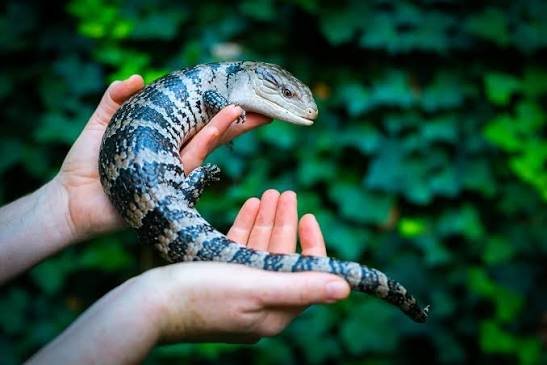
A blue tongue skink is one of the most interesting reptiles you can keep as a pet. Its thick body, short legs, smooth scales, and surprisingly bright blue tongue make it easy to recognize. Unlike many reptiles that are constantly moving around their enclosure, blue tongue skinks tend to have a calm and relaxed personality. This combination of unusual appearance and manageable behavior has made them popular with both experienced reptile keepers and people who are considering their first lizard.
The name “blue tongue skink” describes several closely related skink species that share a distinctive blue tongue. These reptiles belong to the genus Tiliqua and are native to Australia, Indonesia, and nearby regions. Different species and subspecies can look quite different, particularly in body size, coloration, pattern, and care requirements. Understanding which type you have is important because not every blue tongue skink has exactly the same needs.
Although blue tongue skinks can be easier to handle than some other reptiles, they are still living animals with specific environmental requirements. Proper temperatures, humidity, lighting, nutrition, enclosure size, and regular cleaning all contribute to their health. A good setup does not have to be unnecessarily complicated, but it does need to be consistent.
What Is a Blue Tongue Skink?
The blue tongue skink is a heavy-bodied lizard belonging to the skink family. Its most recognizable feature is its vivid blue tongue, which the animal may display when it feels threatened or wants to make itself appear larger and more intimidating. Despite this dramatic warning display, blue tongue skinks are generally not aggressive animals when properly socialized and handled.
These lizards have relatively short legs compared with their long, sturdy bodies. Their scales are usually smooth and glossy, although their exact appearance varies depending on the species and individual. Many have bands, spots, or contrasting colors along their bodies, allowing them to blend into the environments where they naturally live.
Blue tongue skinks are primarily ground-dwelling reptiles. They spend much of their time walking across the ground, searching for food, hiding under vegetation, and basking in suitable warm areas. Their strong bodies and sturdy jaws are well suited to their natural lifestyle, and they can consume a surprisingly varied diet.
Different Types of Blue Tongue Skinks
There is not just one kind of blue tongue skink. Several species and subspecies are commonly associated with the name, and they can differ significantly in appearance and environmental requirements. Australian blue tongue skinks are among the most commonly discussed varieties in the pet trade, while Indonesian types are also kept by reptile enthusiasts.
The Eastern blue tongue skink is one of the well-known Australian varieties. It is generally robust and has a broad body with attractive banding or patterning. Northern blue tongue skinks are another popular variety and are often appreciated for their relatively straightforward care requirements when kept under appropriate conditions.
Indonesian blue tongue skinks can have somewhat different humidity requirements from many Australian varieties. This is an important point for new owners because simply searching for “blue tongue skink care” may not provide enough information about the particular animal they own. Identifying the exact species or locality can help you create a more suitable enclosure.
Blue Tongue Skink Appearance
The appearance of a blue tongue skink is one of the main reasons people become interested in these reptiles. They have elongated bodies, short powerful legs, relatively large heads, and thick tails. Their overall shape can look quite different from the slim bodies of many other pet lizards.
Their coloration varies from individual to individual. Depending on the species, you may see shades of brown, gray, tan, cream, orange, or reddish-brown. Darker bands often cross the body and create a natural camouflage pattern. Some captive-bred animals may have especially distinctive colors or patterns.
The tongue is the feature that gives these lizards their common name. When the skink opens its mouth and extends its tongue, the blue color can be surprisingly intense. The tongue is not simply decorative; it is part of the animal’s natural defensive behavior and communication.
How Big Does a Blue Tongue Skink Get?
A fully grown blue tongue skink is a substantial lizard. Many adults reach roughly 18 to 24 inches in total length, although exact adult size depends on the species, genetics, sex, nutrition, and general health of the individual.
Their weight can also vary considerably. A healthy adult should have a solid, muscular appearance rather than looking extremely thin or excessively obese. Because blue tongue skinks have naturally thick bodies, beginners sometimes have difficulty distinguishing normal body structure from unhealthy weight gain.
Young skinks grow considerably during their early years. Providing an appropriate diet and environment during this period is particularly important. Growth should be steady rather than forced through excessive feeding. A balanced approach gives the animal the nutrients it needs without encouraging unnecessary weight gain.
Blue Tongue Skink Lifespan
One of the attractive features of a blue tongue skink is its potentially long lifespan. With proper husbandry, nutrition, veterinary care, and a suitable environment, these reptiles can live for many years in captivity.
A long lifespan also means that adopting a blue tongue skink is a serious commitment. This is not an animal that should be purchased simply because it looks interesting in a pet store. Owners need to be prepared for years of feeding, enclosure maintenance, health monitoring, and responsible care.
Genetics and individual health can influence longevity as well. Even an owner who provides excellent care cannot guarantee a particular lifespan. However, maintaining suitable temperatures, offering a nutritious diet, preventing obesity, and seeking veterinary attention when problems appear can greatly support long-term wellbeing.
Blue Tongue Skink Temperament and Behavior
Blue tongue skinks are often described as calm, curious, and relatively easy to handle. Individual personalities vary, however. Some animals are naturally relaxed around people, while others may initially be shy or defensive.
A frightened skink may hiss, flatten its body, open its mouth, and expose its blue tongue. This behavior can look dramatic, but it is usually intended as a warning rather than an attempt to attack. Giving the animal time to become comfortable can help reduce defensive behavior.
Regular, gentle handling can help a blue tongue skink become accustomed to human interaction. Owners should avoid grabbing the animal suddenly from above or chasing it around the enclosure. Slow movements and proper support are much less stressful.
Are Blue Tongue Skinks Good Pets?
For the right owner, a blue tongue skink can be an excellent pet. They have fascinating appearances, interesting behaviors, and relatively manageable care requirements compared with some more demanding exotic reptiles.
They are particularly appealing to people who want a reptile that can become comfortable with regular handling. However, “easy” does not mean “no work.” A blue tongue skink still requires an appropriately sized enclosure, controlled environmental conditions, nutritious food, and routine maintenance.
Potential owners should also remember that these animals are not cuddly pets in the same way as dogs or cats. Interaction should be based on the reptile’s comfort and natural behavior. Respecting its boundaries is an important part of responsible ownership.
Setting Up a Blue Tongue Skink Enclosure
The enclosure is one of the most important parts of blue tongue skink care. These reptiles need enough floor space to move around comfortably, investigate their surroundings, bask, hide, and explore.
A large enclosure is generally preferable to a cramped one. Adult blue tongue skinks benefit from substantial floor space because they are terrestrial animals. Height can be useful, but horizontal floor area should be prioritized over excessive vertical space.
The enclosure should also have secure ventilation. Good airflow helps prevent stagnant conditions while still allowing the owner to maintain the appropriate temperature and humidity for the particular species. The enclosure should have secure doors or another reliable closure because even a slow-moving reptile can surprise its owner with an escape attempt.
Temperature Requirements
Temperature management is essential for blue tongue skink health. Like other reptiles, blue tongue skinks are ectothermic, meaning they rely on environmental heat to regulate their body temperature.
A proper enclosure should provide a temperature gradient rather than maintaining exactly the same temperature everywhere. One area should be warmer for basking, while another area should be cooler so the skink can move away from the heat when necessary.
The exact temperatures should be adjusted according to the species and the specific enclosure. Using reliable digital thermometers at different points is much better than guessing based on how warm the enclosure feels to your hand. A reptile can experience unsuitable temperatures even when the enclosure feels comfortable to a person.
Providing a Basking Area
A basking area allows the blue tongue skink to warm its body and support normal physiological processes. The basking surface should be heated by an appropriate reptile-safe heat source positioned securely above the animal.
The skink should always have enough space to move away from the basking zone. A heat source that makes the entire enclosure extremely hot can prevent the animal from regulating its body temperature properly.
Temperature should be measured with appropriate equipment rather than estimated. Heat sources should also be protected where necessary to prevent accidental contact and burns. Regularly checking equipment is especially important because bulbs and heating devices can fail or change performance over time.
Humidity for Blue Tongue Skinks
Humidity requirements depend heavily on the species and geographic origin of the skink. Australian species from drier regions generally have different requirements from Indonesian blue tongue skinks that naturally experience more humid environments.
Maintaining the correct humidity is important because excessively dry or excessively humid conditions can contribute to health problems. A reliable digital hygrometer can help owners monitor the enclosure rather than relying on guesswork.
Humidity should also be considered alongside ventilation. Simply adding large amounts of moisture without adequate airflow can create an unhealthy environment. The goal is a stable habitat that resembles the general environmental conditions appropriate for the specific species.
Substrate Choices
Substrate is the material placed on the floor of the enclosure. Several options can be suitable for blue tongue skinks, but the choice should take into account safety, cleanliness, humidity, and the animal’s natural behavior.
Some owners use reptile-safe soil-based substrates, while others choose commercially prepared options designed for terrestrial reptiles. Newspaper or certain paper-based products can also be practical, particularly during quarantine or when monitoring an animal’s waste.
Loose substrates require thoughtful management because accidental ingestion can become a concern. The safest choice can vary depending on the animal, enclosure design, feeding method, and keeper’s experience. Whatever substrate is used, it should be kept clean and replaced or maintained as necessary.
Hiding Places and Enrichment
A blue tongue skink needs places where it can hide and feel secure. At least one suitable hide should be available, and providing more than one can allow the reptile to choose between different areas of the enclosure.
Hides can be made from commercially manufactured reptile products or other safe materials. They should be sturdy, free of sharp edges, and large enough for the skink to fit comfortably.
Enrichment is also valuable. You can provide safe objects, textured surfaces, branches or structures that encourage exploration, provided they cannot collapse or injure the animal. Rearranging suitable enrichment occasionally can give a captive skink new areas to investigate.
What Do Blue Tongue Skinks Eat?
Blue tongue skinks are omnivorous reptiles, which means they naturally consume both plant and animal-based foods. Their diet can include insects, other small animal foods, fruits, vegetables, greens, and other suitable ingredients.
A major advantage of their omnivorous nature is dietary variety. Instead of relying on one food item, owners can provide a balanced selection of appropriate foods. Variety can also make feeding more interesting for the animal.
The correct proportions can vary with age and species. Younger animals generally need more animal-based protein during growth, while adults typically receive a greater proportion of plant matter. Food should be selected carefully rather than simply offering whatever is available in the kitchen.
Feeding Insects and Animal Protein
Appropriate animal-based foods can provide valuable protein. Common feeder insects may include options such as appropriately sized crickets, roaches, and other commercially available feeder insects.
The size of the food should always be appropriate for the skink. Oversized prey can create unnecessary risks and may be difficult for the animal to consume. Feeder insects should also come from reliable sources and be appropriately nourished before being offered.
Other animal-based foods may sometimes be used as part of a balanced diet, but owners should avoid turning the diet into an excessive high-protein feeding routine. Balance is more important than simply providing large quantities of protein.
Fruits and Vegetables
Plant foods can make up an important part of an adult blue tongue skink’s diet. Suitable vegetables and greens can provide fiber, vitamins, minerals, and variety.
Examples of commonly used foods may include leafy greens, squash, certain peppers, green beans, and other appropriate vegetables. Fruits can also be offered in moderation because many are relatively high in natural sugars.
The key is variety and balance. Feeding the same vegetable every day is not an ideal long-term strategy. A rotation of appropriate foods helps provide a broader nutritional profile.
Calcium and Supplements
Calcium plays an important role in reptile health, particularly for maintaining healthy bones and normal muscle function. Blue tongue skinks may require supplementation depending on their diet and exposure to appropriate UVB lighting.
A reptile-specific calcium supplement can be used according to veterinary or husbandry guidance. The exact supplementation routine should not be treated as a universal formula because diet, lighting, age, species, and individual health all influence nutritional needs.
Over-supplementation is not automatically better. Vitamins and minerals should be provided thoughtfully, following reputable husbandry guidance or advice from a veterinarian experienced with reptiles.
UVB Lighting
UVB lighting is an important consideration in blue tongue skink husbandry. Exposure to suitable UVB helps reptiles produce vitamin D3, which is involved in calcium metabolism and bone health.
The strength and placement of UVB lighting matter. A bulb that produces UVB but is installed at an inappropriate distance may not provide the intended exposure. The enclosure design and the manufacturer’s recommended distance should therefore be considered carefully.
UVB bulbs also need periodic replacement because their UV output can decline even when the bulb continues to produce visible light. Owners should follow the manufacturer’s replacement recommendations and maintain the correct positioning.
Handling a Blue Tongue Skink
Handling should be calm and predictable. When picking up a blue tongue skink, support the body rather than allowing it to dangle unsupported.
New animals may need time to settle into their new environment before frequent handling begins. Moving to a completely new enclosure can be stressful, so allowing the skink to establish a routine can make future interaction easier.
Never grab a blue tongue skink by the tail. Although their tails are sturdy, unnecessary handling pressure can cause injury. Supporting the entire body is a safer and more respectful approach.
Common Health Problems
Blue tongue skinks can experience health problems when their environmental or nutritional requirements are not met. Respiratory infections, metabolic bone problems, obesity, parasites, and skin-related issues are among the concerns that reptile owners may encounter.
Many health problems are easier to manage when detected early. Changes in appetite, unusual breathing, persistent lethargy, abnormal stool, swelling, difficulty moving, or major changes in behavior should not simply be ignored.
Finding a veterinarian who has experience treating reptiles before an emergency occurs is a smart part of responsible ownership. Reptiles can sometimes hide signs of illness until a condition has progressed, making routine observation particularly important.
Shedding in Blue Tongue Skinks
Like other reptiles, blue tongue skinks shed their skin as they grow. During shedding, you may notice changes in the appearance of the skin, with certain areas becoming dull or lighter.
A healthy enclosure with appropriate environmental conditions generally supports normal shedding. Owners should not aggressively pull off loose skin because this can injure the animal.
If retained shed repeatedly affects sensitive areas such as toes or around the eyes, professional veterinary advice may be appropriate. Proper humidity and overall husbandry are important parts of preventing shedding problems.
Cleaning the Enclosure
Regular cleaning is necessary to keep a blue tongue skink enclosure hygienic. Waste should be removed as soon as it is noticed, while the entire enclosure should receive deeper cleaning on a regular schedule.
Food leftovers should also be removed before they begin to spoil or attract insects. Water dishes should be cleaned frequently because reptiles can track substrate and waste into them.
A clean enclosure does not mean it should smell like chemicals. Reptile-safe cleaning products and proper rinsing are important. Any cleaning product used around the animal should be suitable for reptile habitats and used according to its instructions.
Blue Tongue Skink Water Requirements
Fresh drinking water should generally be available. A sturdy, shallow water dish can provide a reliable source of hydration.
The dish should be heavy enough that the skink cannot easily tip it over. Water should be changed regularly, especially if substrate, food, or waste gets into it.
Some blue tongue skinks may occasionally soak in their water dish. If your animal frequently soaks, monitor the behavior and make sure the water container is safe and easy for the animal to enter and exit.
Blue Tongue Skink Activity and Daily Routine
Blue tongue skinks are generally active during the daytime. Their daily routine can include basking, exploring, eating, hiding, and moving between warmer and cooler areas of the enclosure.
An appropriate day-and-night cycle helps provide a predictable environment. Lighting and heating should be managed using reliable timers where appropriate, making it easier to maintain consistency.
You may notice that your skink becomes more active at particular times of the day. Individual personality also plays a role. Some animals are highly curious and spend considerable time exploring, while others prefer to spend more time resting in their hides.
Breeding Blue Tongue Skinks
Breeding blue tongue skinks is not something beginners should approach casually. Successful breeding requires knowledge of species identification, sexing, nutrition, seasonal cycles, genetics, pregnancy, birth, and neonatal care.
Female blue tongue skinks have significant physical demands during reproduction. Poor nutrition or inadequate husbandry can create serious risks.
Anyone considering breeding should first learn extensively about the particular species and consult experienced reptile breeders or qualified veterinarians. Responsible breeding also means having a plan for the offspring rather than producing babies without considering their long-term homes.
How Much Does a Blue Tongue Skink Cost?
The cost of a blue tongue skink can vary considerably. Species, locality, coloration, age, breeder reputation, availability, and geographic location can all affect the purchase price.
However, the initial purchase price is only one part of the total cost. A suitable enclosure, heating equipment, lighting, substrate, hides, food, supplements, and veterinary care can represent a significant additional investment.
For this reason, potential owners should budget for the entire setup rather than focusing only on the price of the animal. Spending money on appropriate equipment before bringing the skink home can prevent many avoidable problems later.
Blue Tongue Skink vs. Other Pet Lizards
Blue tongue skinks have several characteristics that distinguish them from other popular pet lizards. Their thick bodies, short legs, omnivorous diets, and defensive blue tongues give them a very different appearance and lifestyle from animals such as bearded dragons or leopard geckos.
Their larger body size also means they require more floor space than some smaller lizards. However, many owners appreciate their sturdy build and calm nature.
The right reptile depends on the keeper’s lifestyle, experience, available space, budget, and interest. There is no single species that is perfect for everyone. Researching the animal’s complete care requirements before purchasing is always the better approach.
Tips for First-Time Blue Tongue Skink Owners
First-time owners should start by learning as much as possible about the specific species they plan to keep. Understanding the animal’s natural habitat provides useful clues about temperature, humidity, diet, and behavior.
The enclosure should be fully prepared before the skink arrives. Temperatures and humidity should be measured in advance so you can identify problems before the animal is introduced.
Finally, avoid changing everything at once. Once your skink is settled, consistency is valuable. Observe its behavior, appetite, stool, weight, and activity level so you can recognize what is normal for that individual.
Frequently Asked Questions About Blue Tongue Skinks
Are blue tongue skinks aggressive?
Blue tongue skinks are not generally known as highly aggressive pets. They can become defensive when frightened, stressed, or handled improperly. Hissing, opening the mouth, and displaying the blue tongue are common warning behaviors.
Can you hold a blue tongue skink?
Yes, many blue tongue skinks can become comfortable with regular gentle handling. Always support the body properly and avoid sudden movements. Individual temperament varies, so handling should be adjusted according to the animal’s comfort.
Do blue tongue skinks make good beginner pets?
They can be suitable for beginners who are prepared to learn proper reptile husbandry. Their care is manageable when the enclosure, diet, heating, lighting, and humidity are handled correctly.
How long can a blue tongue skink live?
Blue tongue skinks can live for many years in captivity when provided with appropriate care. Their exact lifespan varies depending on genetics, species, nutrition, environmental conditions, and veterinary care.
What does a blue tongue skink eat?
Blue tongue skinks are omnivores. Their diet can include suitable animal-based protein, vegetables, greens, and limited amounts of fruit. The exact balance should depend on the animal’s age and species.
Why is a blue tongue skink’s tongue blue?
The bright blue tongue is believed to function primarily as a defensive signal. When threatened, the skink can suddenly expose the tongue and open its mouth, creating a striking visual warning.
Final Thoughts on Blue Tongue Skinks
The blue tongue skink is a fascinating reptile with a combination of unusual appearance, interesting behavior, and a generally manageable temperament. Its bright blue tongue immediately makes it stand out, while its sturdy body and curious personality make it an engaging animal to observe. Good care begins with understanding that different blue tongue skink species can have different requirements. Correct identification is therefore an important first step. From there, owners should focus on creating an appropriately sized enclosure with suitable temperatures, humidity, lighting, hiding places, and enrichment.
YOU MAY HAVE MASSED