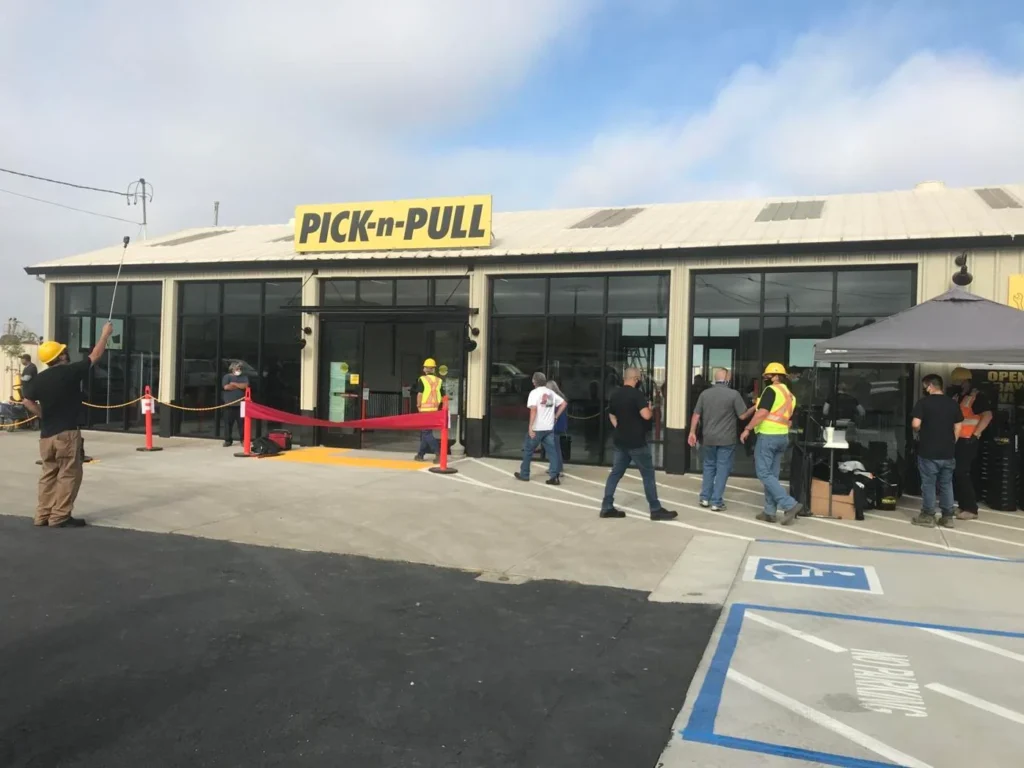
When your vehicle needs a replacement part, buying brand-new components is not always the only option. New parts can be expensive, especially when you are repairing an older vehicle that may not have much market value. This is where Pick n Pull becomes an interesting option for vehicle owners, mechanics, DIY enthusiasts, and anyone looking for affordable automotive parts.
The basic idea behind a pick-and-pull auto yard is simple. Instead of having someone remove the part for you, you visit the yard, locate a compatible vehicle, remove the component yourself, and pay for the part at checkout. This approach can make certain repairs considerably more affordable while also giving you the opportunity to understand how different automotive components are installed.
Pick n Pull-style salvage yards are also part of the broader automotive recycling industry. Vehicles that are no longer practical to repair can still contain hundreds of usable components. Engines, transmissions, wheels, mirrors, seats, lights, body panels, switches, sensors, and countless smaller parts can potentially find a second life in another vehicle.
What Is Pick n Pull?
Pick n Pull is commonly associated with the self-service automotive salvage-yard model. Instead of browsing a traditional auto-parts store, customers enter a vehicle yard where used cars and trucks are arranged for customers to inspect. The customer searches for a suitable vehicle and removes the needed component themselves.
This model is particularly useful for people who are comfortable working with basic hand tools. You may be able to find a part from a vehicle that is similar to yours and remove it for a fraction of what a new replacement might cost. The exact savings depend on the part, vehicle, condition, compatibility, and yard pricing.
One of the biggest differences between a conventional salvage yard and a self-service operation is customer involvement. In a traditional salvage business, employees may remove components before selling them. In a pick-and-pull environment, customers generally do the physical removal themselves. That makes the experience more hands-on and can reduce labor costs associated with dismantling vehicles.
How a Pick n Pull Auto Yard Works
The process usually begins before you even enter the yard. You need to know what vehicle you have, what component you need, and ideally the exact specifications of that component. Vehicle year, make, model, engine configuration, trim level, and drivetrain can all matter when determining compatibility.
After arriving at the yard, customers generally search the vehicle inventory for a suitable donor vehicle. Some yards organize vehicles by make, model, or other categories, while others provide inventory information through an online system. Because salvage-yard inventory changes frequently, a vehicle that appears today may not be available during your next visit.
Once you locate a suitable donor vehicle, you bring your tools and remove the required component. This may involve bolts, clips, electrical connectors, brackets, hoses, or other hardware. After removing the part, you take it to the checkout area, where the yard determines the price according to its pricing system.
Why People Choose Pick n Pull
Cost is one of the biggest reasons people visit self-service salvage yards. New automotive components can become surprisingly expensive, particularly for older vehicles or less common models. A used component from a salvage vehicle may provide a practical alternative.
Another reason is availability. Some older vehicles have parts that are no longer stocked by conventional parts stores. Salvage yards can sometimes provide access to components that are difficult to find through normal retail channels. This can be particularly helpful when restoring an older vehicle.
There is also an educational aspect to the experience. Removing a component yourself gives you an opportunity to see exactly how it is mounted. For people learning automotive repair, this hands-on experience can be valuable. You can examine another vehicle before working on your own and better understand where fasteners, connectors, and brackets are located.
What Parts Can You Find?
A surprisingly wide range of components can be found at an automotive salvage yard. Common examples include headlights, taillights, mirrors, doors, hoods, bumpers, fenders, wheels, interior panels, seats, radios, switches, and various trim pieces.
Mechanical components may also be available. Depending on the vehicle and the yard, customers may find engines, transmissions, alternators, starters, compressors, steering components, suspension pieces, and other assemblies. However, mechanical parts require considerably more inspection than simple cosmetic components.
Small parts should not be overlooked either. Clips, brackets, bolts, sensors, knobs, covers, connectors, and interior hardware can be frustrating to find through ordinary parts retailers. A salvage vehicle can provide an inexpensive source for these seemingly minor components.
Finding the Right Vehicle
The key to a successful pick-and-pull visit is finding the correct donor vehicle. Knowing the exact year, make, and model is a good starting point, but it may not be enough. Manufacturers sometimes use different components within the same model year.
Engine size is one important consideration. Two vehicles with the same exterior model designation may have different engines, transmissions, wiring systems, or accessories. A part that looks identical may not function correctly if it belongs to another configuration.
Trim level can also matter. Luxury and standard versions of the same vehicle may have different seats, infotainment equipment, lighting systems, interior panels, wheels, and electronic components. Before removing anything, compare the donor vehicle with your own vehicle as carefully as possible.
Checking Compatibility Before Removing a Part
Visual similarity should never be your only method of determining compatibility. A part can look almost identical while having different mounting points, electrical connections, dimensions, or internal specifications.
Vehicle identification numbers can help when researching compatibility. You can also compare manufacturer part numbers when they are visible on the component. If possible, check a reliable parts catalog or repair reference before heading to the yard.
This is especially important for electronic components. Modern vehicles rely heavily on computers, sensors, control modules, and communication networks. Installing an incompatible electronic module can create additional problems rather than solving the original issue.
Tools to Bring With You
A successful salvage-yard trip starts with the right tools. A basic socket set, combination wrenches, screwdrivers, pliers, and penetrating lubricant can cover many common jobs. Depending on what you plan to remove, you may also need specialty tools.
Protective equipment is equally important. Gloves can protect your hands from sharp metal edges, while safety glasses help protect your eyes from dust, debris, and falling particles. Sturdy footwear is preferable to sandals or other open shoes.
It is also useful to bring a small container or organized bag for fasteners. When you remove a part, keeping its bolts, clips, brackets, and related hardware together can save you considerable frustration later. A flashlight can also be useful when working inside dark engine compartments or underneath dashboards.
Preparing Before You Visit
Preparation can make the difference between a productive visit and a wasted afternoon. Before leaving home, identify the exact part you need and research whether multiple vehicle years or models use the same component.
Take photographs of your existing part if possible. Pictures can help you compare mounting points, connectors, shapes, and other details once you reach the yard. If you are uncertain about compatibility, having several reference photos can be extremely helpful.
You should also consider how you will transport the part. A large body panel, wheel, seat, or engine component may not fit comfortably inside a small passenger vehicle. Planning transportation beforehand can prevent an otherwise successful purchase from becoming inconvenient.
Inspecting Used Auto Parts
Used parts should always be inspected carefully before purchase. Salvage-yard components have lived previous lives, and their condition can vary significantly from one vehicle to another.
Look for obvious damage such as cracks, bends, corrosion, broken mounting tabs, missing connectors, and signs of previous repairs. For body panels, inspect the edges and mounting points because damage is sometimes less obvious from a distance.
Mechanical components deserve even more attention. Look for leaks, excessive corrosion, damaged housings, broken connectors, and other warning signs. A component that appears inexpensive may not be a bargain if it requires extensive additional work.
Buying Body Panels
Body panels are among the most straightforward salvage-yard purchases. Doors, hoods, fenders, bumpers, trunk lids, and other exterior pieces can sometimes be sourced from vehicles with mechanical problems but usable bodywork.
Color is an obvious consideration, but paint condition matters too. Even if a replacement panel has the correct color code, differences in fading and wear can make it look different from the rest of your vehicle.
Before removing a panel, inspect all mounting points. A panel may look perfect from the outside while having hidden bends or cracks. Checking it thoroughly before spending time removing it can save you from taking home something unsuitable.
Finding Interior Components
Interior components can be particularly useful when restoring an older vehicle. Seats, door panels, center consoles, dashboards, trim pieces, switches, mirrors, and other interior parts can become worn or damaged over time.
When looking at seats, inspect the fabric or leather, stitching, frame, adjustment mechanisms, and mounting hardware. A seat may appear attractive while having damaged internal components.
Electronic interior parts require additional caution. Radios, displays, climate controls, switches, and modules can vary between trim levels. Always compare connectors and part numbers when possible.
Salvage-Yard Engines and Transmissions
Engines and transmissions can represent much larger purchases than simple trim pieces, so they require significantly more research. A used powertrain component can potentially provide a cost-effective solution, but its condition is not always obvious.
Before considering an engine, research the engine code and compatibility requirements. The same vehicle model may have several engine options, and even engines that appear similar can have important differences.
Transmission compatibility also involves more than physical fit. Electronic controls, gearing, sensors, wiring, and programming can affect whether a transmission will work correctly. Professional advice can be worthwhile before making a major purchase.
Electrical Components
Modern vehicles contain an enormous number of electrical components. Alternators, starters, switches, motors, sensors, modules, wiring components, and lighting equipment can all appear in salvage yards.
Electrical components should be inspected for corrosion, broken connectors, damaged wiring, and signs of overheating. Water damage is another concern, particularly with modules located in areas where moisture may accumulate.
Whenever possible, compare the part number on the donor component with the number on your original part. This is generally more reliable than relying solely on appearance.
Tires and Wheels
Wheels can be useful salvage-yard purchases, but compatibility must be checked carefully. Bolt pattern, wheel diameter, width, offset, center bore, and brake clearance can all affect fitment.
Used wheels should be inspected for cracks, bends, severe corrosion, and previous repairs. A wheel that has experienced a hard impact may have damage that is not immediately obvious.
Tires require their own inspection. Check tread depth, uneven wear, cracking, age, and overall condition. A cheap tire is not necessarily a good purchase if it is old or damaged.
Understanding Salvage-Yard Pricing
Pricing systems differ from one yard to another. Some components may have fixed prices, while others may be priced according to category or size. Additional charges may apply to certain parts.
Before removing a component, it is useful to understand how the yard prices it. This prevents surprises at checkout. If you are collecting several small parts, knowing whether each item is individually priced can help you estimate the total cost.
The financial advantage of a pick-and-pull yard often comes from avoiding traditional labor costs. However, remember that your time and effort also have value. A difficult component that takes several hours to remove may not be worth the savings compared with purchasing an easier alternative.
Pick n Pull Versus Buying New Parts
New parts provide the advantage of being unused and often come with a manufacturer or retailer warranty. For critical components, that added assurance can be valuable.
Used parts, however, may be significantly less expensive. They can also be useful for older vehicles where a new original component is expensive or difficult to locate.
The right choice depends on the component. A used mirror, door panel, interior trim piece, or non-critical bracket may be an easy decision for many DIY owners. A major safety-related or highly complex component deserves more careful consideration.
Pick n Pull Versus Traditional Salvage Yards
The primary difference is who performs the dismantling. In a traditional salvage operation, employees may remove parts and sell them directly. In a self-service yard, customers generally handle removal.
The self-service approach can provide a lower-cost experience because labor requirements are different. It also gives customers more control over the process.
However, it requires more effort. If you are not comfortable using tools or working around vehicles, a traditional parts seller may be more convenient.
The Environmental Benefits of Auto Recycling
Automotive salvage yards play an important role in vehicle recycling. Instead of allowing an end-of-life vehicle to become nothing more than scrap, usable components can be recovered and reused.
Reusing an existing part can reduce demand for manufacturing a replacement component. This can help extend the useful life of materials already present in the automotive system.
Vehicles also contain valuable metals and other recyclable materials. Responsible salvage operations can recover these resources while reducing unnecessary waste.
Safety at a Pick-and-Pull Yard
Safety should always be the first priority. Vehicles in salvage yards may be damaged, partially dismantled, elevated, or positioned on uneven surfaces.
Never place yourself beneath a vehicle unless the yard has specifically provided a safe and approved setup for that work. Avoid disturbing supports, stands, or other structural arrangements.
Be careful with broken glass, sharp metal, fluids, and damaged components. Wear appropriate protective equipment and follow the yard’s posted safety rules.
Common Mistakes Beginners Make
One common mistake is arriving without knowing exactly what part is needed. Wandering through a large vehicle yard without a plan can consume a lot of time.
Another mistake is assuming that the same model automatically means compatibility. Different years, engines, trims, and production changes can create significant differences.
Beginners also sometimes forget to bring enough tools. Discovering that you need a specific socket or screwdriver after reaching the yard can turn a simple repair into an incomplete project.
How to Save More Money
Research is one of the easiest ways to reduce unnecessary spending. Before visiting, determine which donor vehicles may contain the component you need.
Buying several related parts during one visit can also make your trip more efficient. If you are repairing a vehicle extensively, make a list and inspect potential donor cars for multiple useful components.
Another useful strategy is knowing when to walk away. If a part is badly damaged, excessively corroded, or questionable, saving a few dollars may not justify the risk.
Tips for First-Time Visitors
First-time visitors should begin with relatively simple parts. Mirrors, trim pieces, switches, lights, and certain interior components can provide useful practice with basic disassembly.
Take your time. Rushing can break clips, damage connectors, or turn a removable component into an unusable one. If a part does not move after removing visible fasteners, stop and investigate rather than forcing it.
It is also helpful to take photographs before disconnecting complicated assemblies. Photos can serve as a reference when you later install the replacement part.
When a Used Part Makes Sense
Used parts can make practical sense when the component is expensive new but relatively durable. Certain body panels, wheels, interior pieces, mirrors, and mechanical assemblies may be good candidates depending on condition.
They can also be useful when repairing an older vehicle where original replacement parts are difficult to find. Salvage yards sometimes provide access to discontinued or hard-to-source components.
The important thing is to evaluate the individual part rather than automatically assuming every used part is a bargain.
When You Should Consider a New Part
Some components are better purchased new, especially when reliability and safety are particularly important. New components may also make more sense when installation requires substantial labor.
If replacing a component involves significant disassembly, installing a questionable used part could mean paying for the same labor twice if it fails.
Research the specific component, compare prices, and consider the total cost of ownership rather than looking only at the initial purchase price.
Using Pick n Pull for Vehicle Restoration
Classic and older vehicle restoration is another area where salvage yards can be valuable. Finding original trim, brackets, interior pieces, glass, body components, and other details can be difficult through modern parts catalogs.
A donor vehicle can provide authentic components that match the period and construction of the restoration project.
Restorers should still inspect everything carefully. Age affects rubber, plastic, electrical components, seals, and upholstery, so even an original part may require restoration before installation.
How Technology Is Changing Salvage Yards
Modern salvage operations increasingly use digital inventory systems to help customers identify available vehicles and components. Online inventory tools can reduce unnecessary trips by allowing customers to research before visiting.
Vehicle databases can also make it easier to identify potential donor vehicles based on make, model, year, and other information.
Technology does not replace physical inspection, though. Inventory information may tell you that a vehicle exists, but it cannot always tell you the exact condition of the specific part you want.
What Makes a Successful Pick n Pull Trip?
A successful trip usually comes down to preparation, patience, and accurate identification. Knowing what you need before arriving makes the process much easier.
Good tools matter just as much. You do not need every tool in a professional mechanic’s toolbox, but having the correct basic equipment can save considerable time.
Finally, understand that salvage-yard hunting is partly a treasure-hunting experience. You may find exactly what you need immediately, or you may discover that the available donor vehicles are not suitable. Flexibility is part of the process.
Frequently Asked Questions About Pick n Pull
What does Pick n Pull mean?
Pick n Pull generally refers to a self-service automotive salvage-yard concept where customers locate vehicles and remove usable parts themselves. The exact services, inventory, pricing, and policies depend on the individual location.
Can I bring my own tools?
Many self-service yards allow customers to bring appropriate hand tools, but tool policies can vary. It is important to check the rules of the specific location before visiting.
Are Pick n Pull parts cheaper?
Used salvage-yard parts can often cost less than new replacement parts, but pricing varies by component, vehicle, condition, and location. You should compare the complete cost before making a purchase.
Can I find parts for older cars?
Older vehicles can sometimes be excellent candidates for salvage-yard searches because donor vehicles may contain discontinued or hard-to-find components. Availability depends heavily on local inventory.
Should I check the part number?
Yes. When possible, comparing the manufacturer’s part number is one of the better ways to verify compatibility, especially for electrical and mechanical components.
Can beginners use a pick-and-pull yard?
Beginners can use self-service yards, particularly when starting with simple components. Learning basic tool safety and understanding the yard’s rules are important before attempting more complicated removals.
Are used engines worth buying?
A used engine can potentially save money, but it requires careful research and inspection. Engine code, compatibility, mileage, condition, warranty terms, and installation costs should all be considered.
What should I wear?
Sturdy clothing, closed-toe footwear, work gloves, and eye protection are generally sensible choices. Salvage yards can contain sharp edges, dirt, dust, fluids, and other hazards.
Can I return a part?
Return policies vary by salvage yard and part type. Always understand the seller’s return policy before purchasing a component, particularly an expensive one.
Is a salvage yard environmentally friendly?
Vehicle recycling can help recover usable components and materials from end-of-life vehicles. Reusing parts can extend their service life and reduce unnecessary waste.
Final Thoughts on Pick n Pull
Pick n Pull represents a practical side of automotive repair that combines affordability, recycling, and hands-on mechanical work. Instead of automatically buying a new replacement part, vehicle owners can investigate the used-parts market and potentially find a suitable component from a donor vehicle. The experience is especially useful for DIY mechanics and people who enjoy working on their own vehicles. It can also be valuable when dealing with older cars, discontinued components, or repairs where new parts are disproportionately expensive.
YOU MAY HAVE MASSED